The 3-day emergency kit, in the order of the video
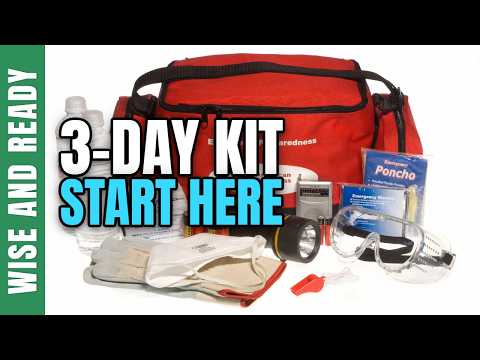
Eighteen official guides, from FEMA and the Red Cross to governments across Europe, Asia and the Pacific, ask much the same of every household: be ready to look after yourselves for three days. Here is that kit in the order of the video. Start with the basics, which get you through the first day with no worries, then build the full 3-day kit as money and time allow. The extras at the end are what some countries add.
Watch the video
The basics
- 1
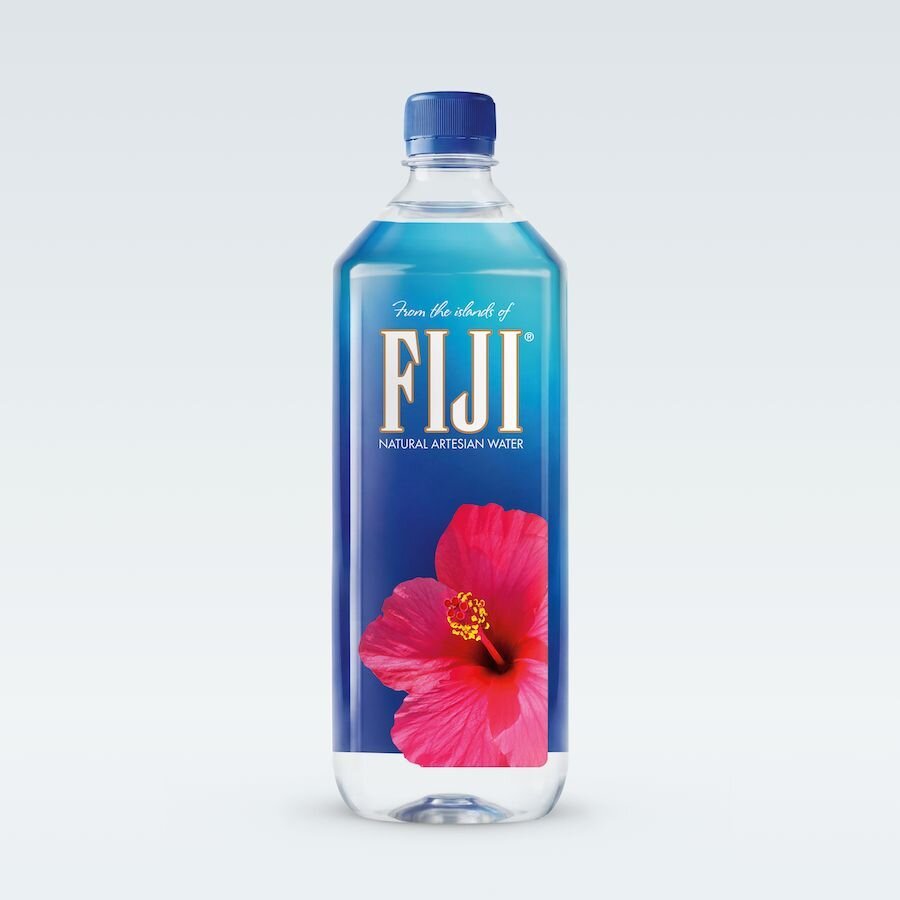
Water: a pack of bottles each
One 24-pack of 16.9 oz bottles holds about 3 gallons, two or three days for one person. A 5-gallon jug stores more, for longer.
- 2
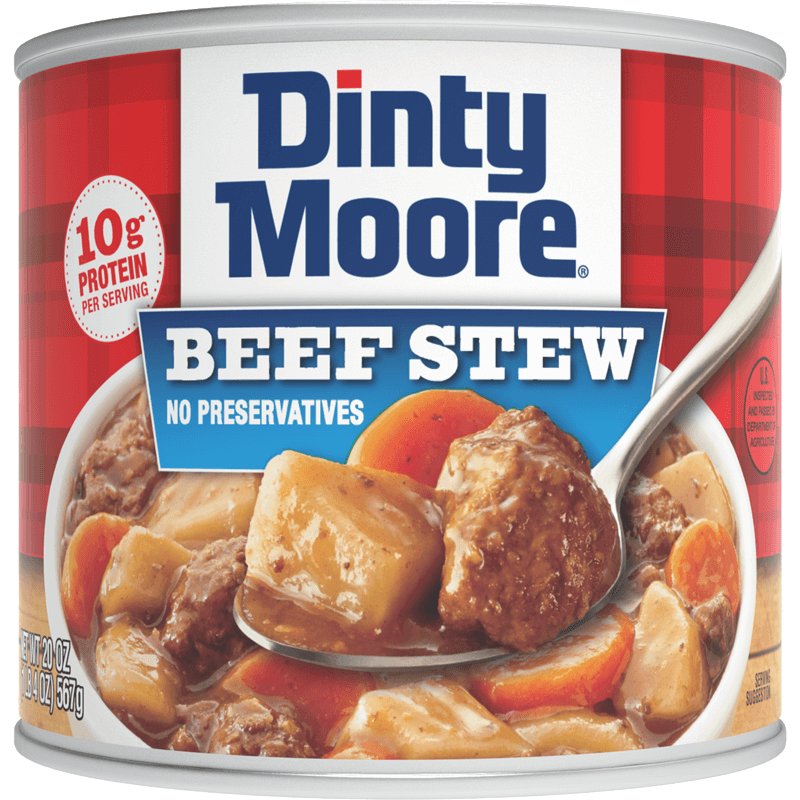
Food: a few cans each
About two cans per person per day, the soups and meats your family likes. They are already cooked, so they are fine cold. Keep a manual can opener with them.
- 3
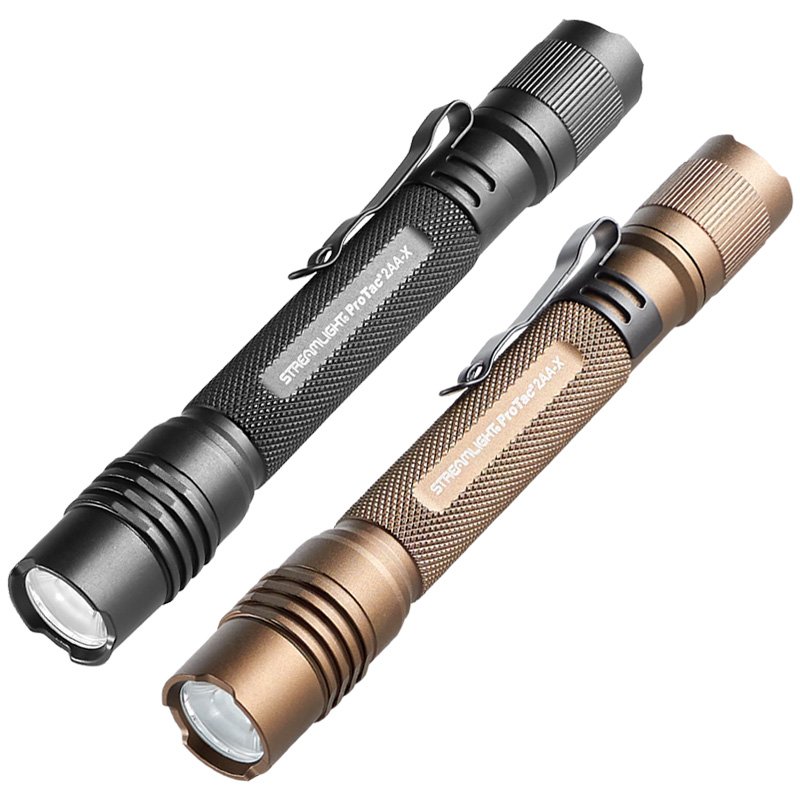
Light: any flashlight
Any flashlight will do. Pick one that runs a long time on low, and keep a couple of spare sets of batteries for it.
- 4
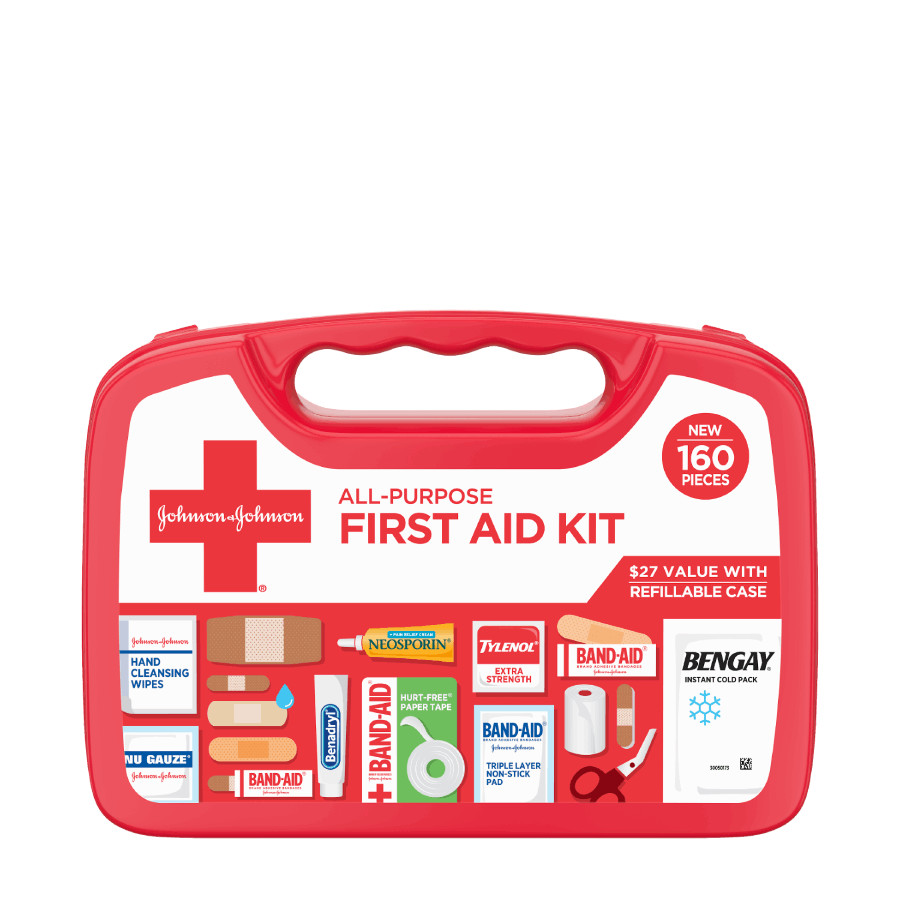
Medicine: a week of prescriptions, and bandages
A week of every daily prescription, with glasses and hearing aid batteries. Add a box of bandages and a pain reliever like Tylenol or Advil.
- 5
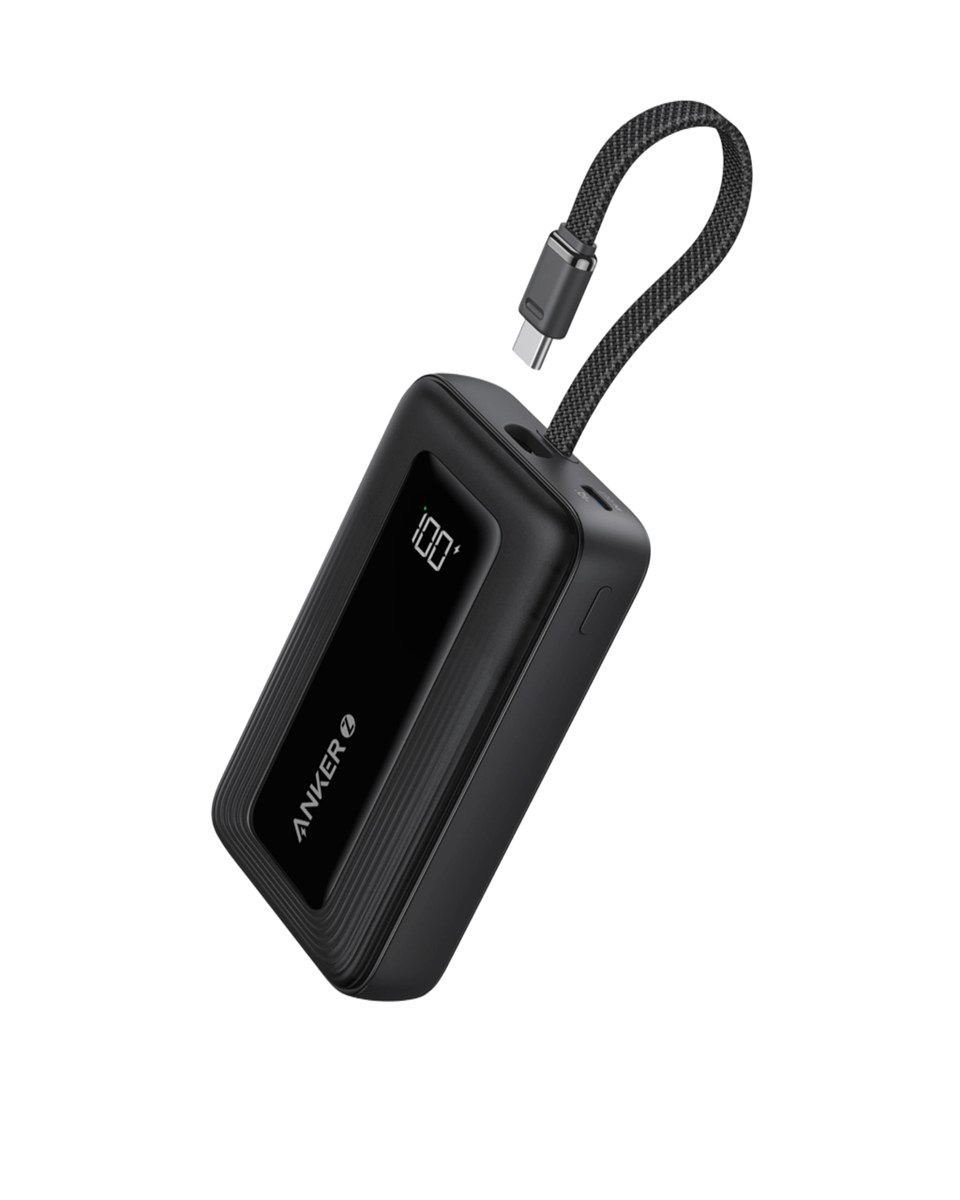
A way to charge your phone
The car's USB port works on day one. A small power bank saves the trips out to the car.
- 6
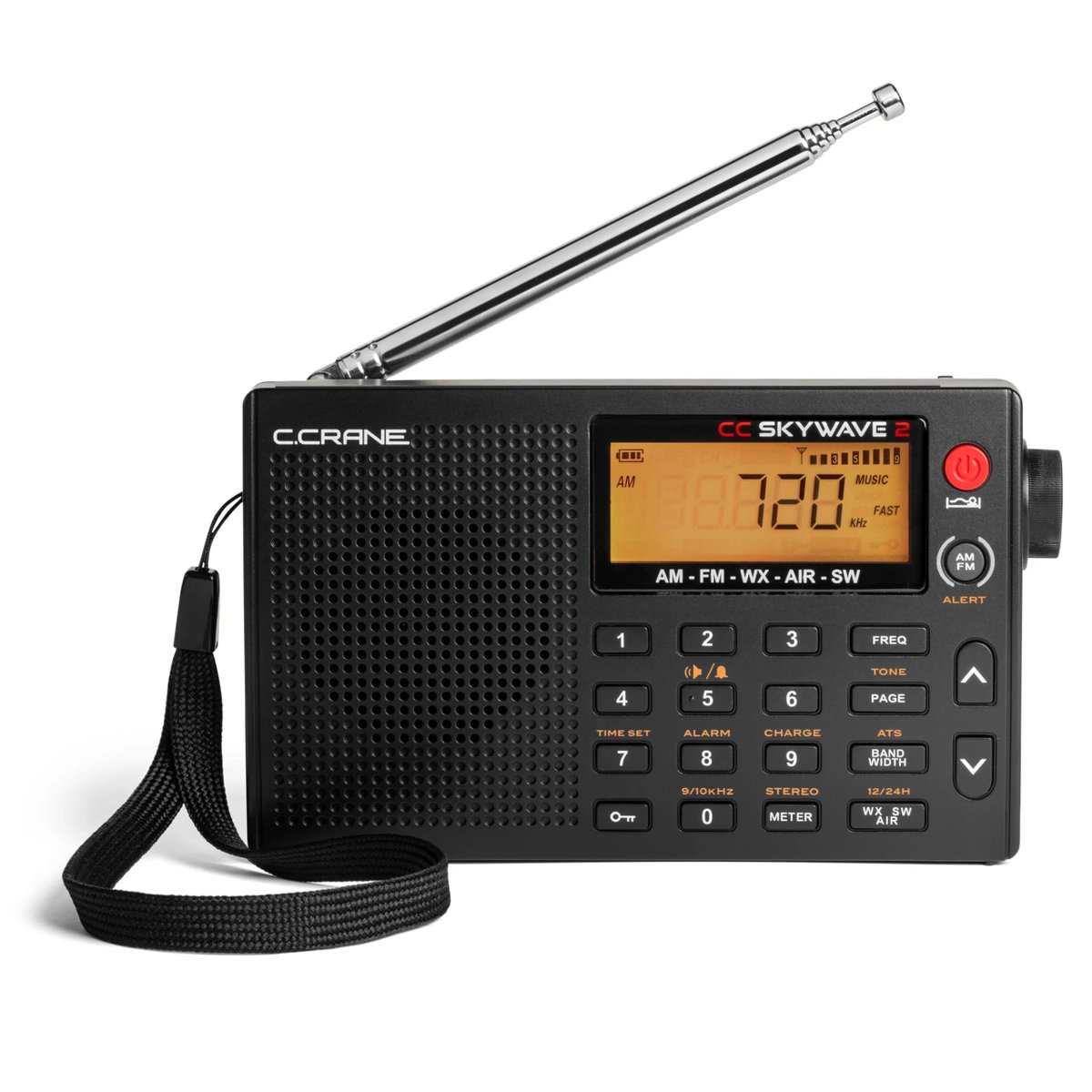
A radio for news
The car radio does the job on day one. No car? An inexpensive AM/FM radio that runs on AA batteries.
- 7
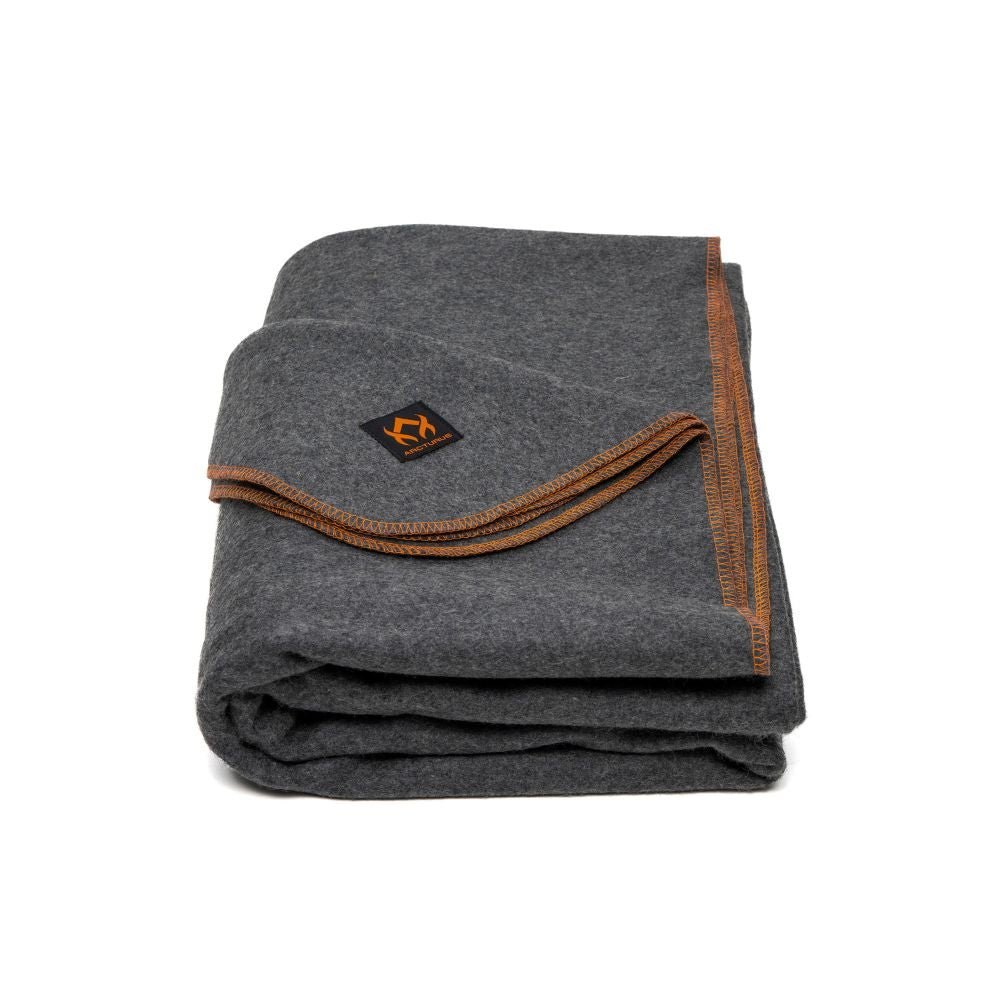
Warmth you already have
A blanket or sleeping bag for each person, a hat, warm socks, gloves and a warm layer, kept together in one place. In summer or a hot place, see staying cool.
The full 3-day kit
- 8
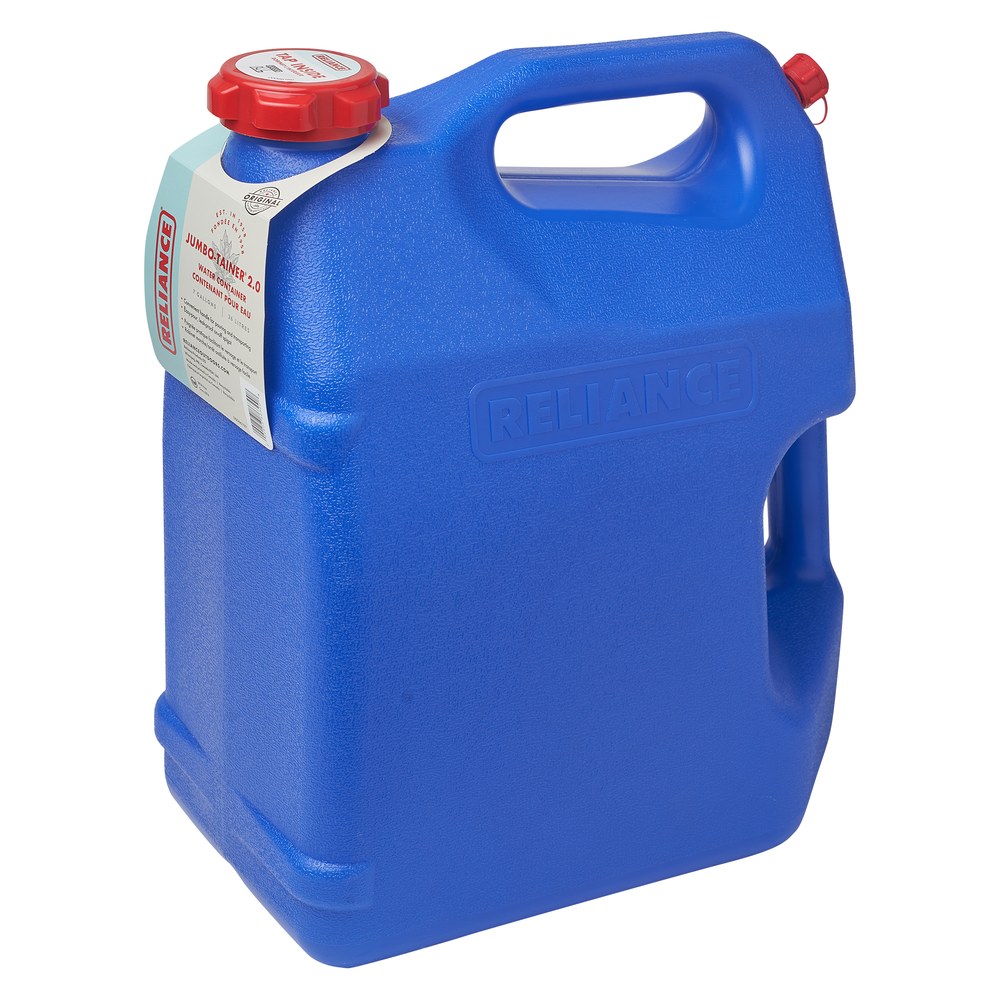
Water: store more, for longer
About 5 gallons per person for three days. A 5-gallon jug per person covers it, and stackable containers fit in a closet or under a bed.
- 9
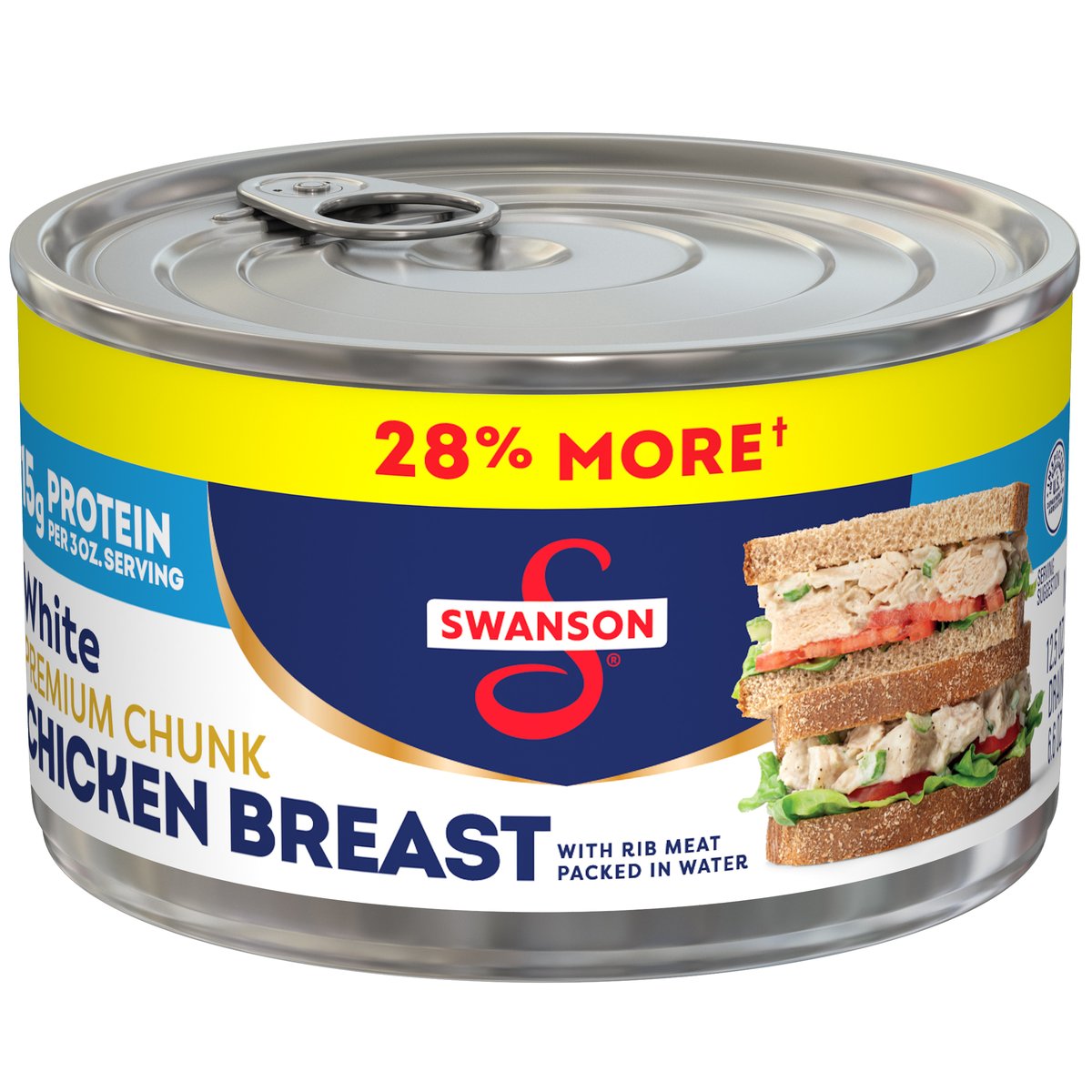
Food: more variety, no cooking needed
Canned meals with protein, plus peanut butter, bars, dry cereal and dried fruit. Freeze-dried meals cost more and keep 25 to 30 years, by their makers' figures.
- 10
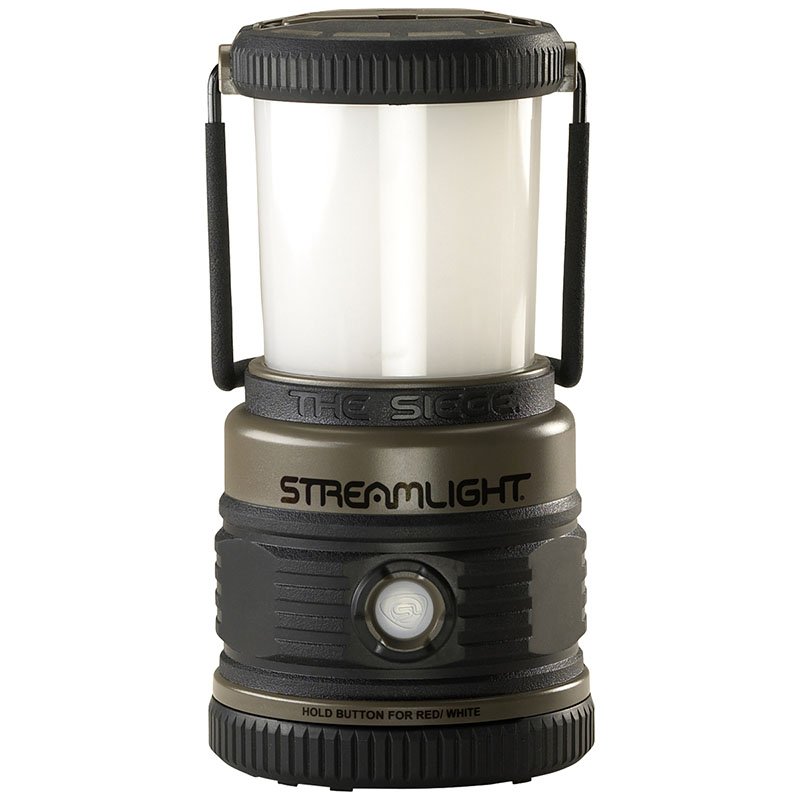
A flashlight per person, and a lantern
One flashlight each, and an LED lantern for the room. A low mode that runs all night beats a bright beam that is flat by midnight.
- 11
A well-stocked first aid kit
A full-size kit for the household, with Tylenol, Advil, Tums, Pepto-Bismol and Dramamine. Follow the label on each.
- 12
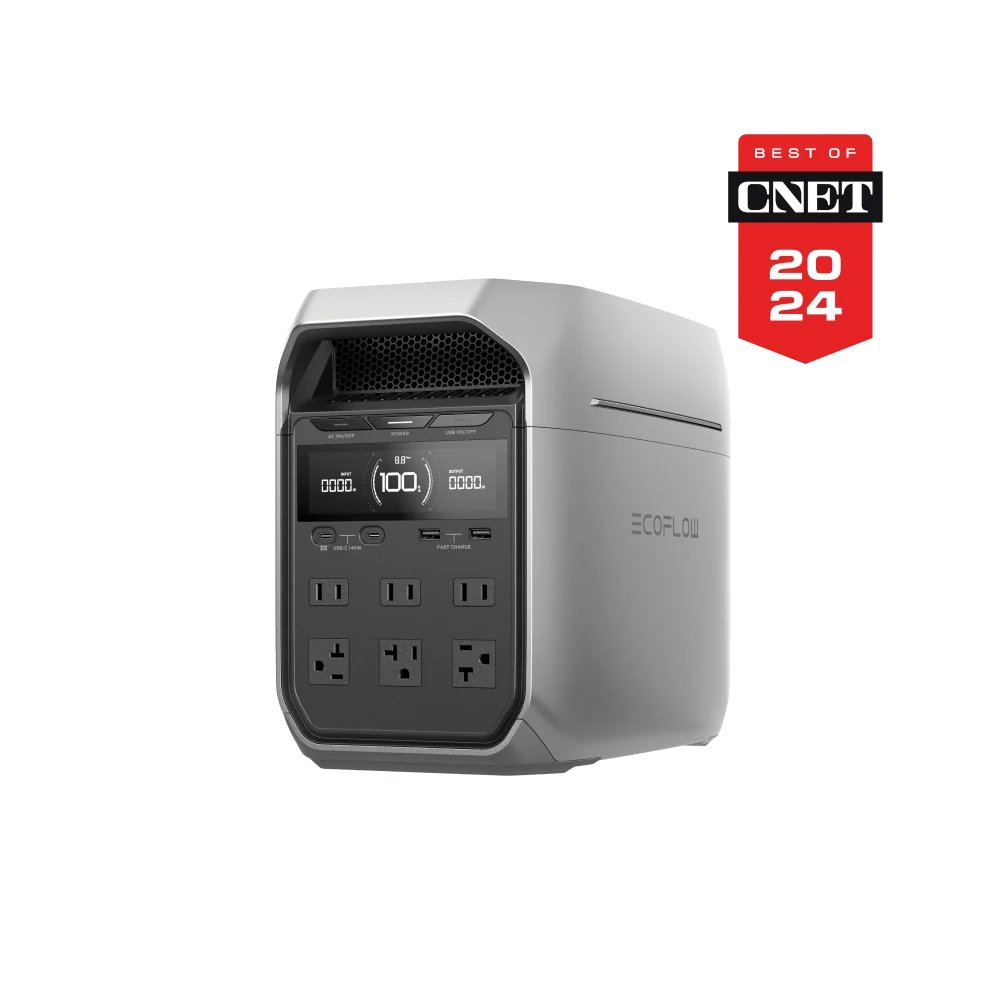
A power bank, and power stations
A 10,000 mAh power bank holds about 37 Wh, one or two phone charges. A power station holds hundreds to thousands of watt-hours.
- 13
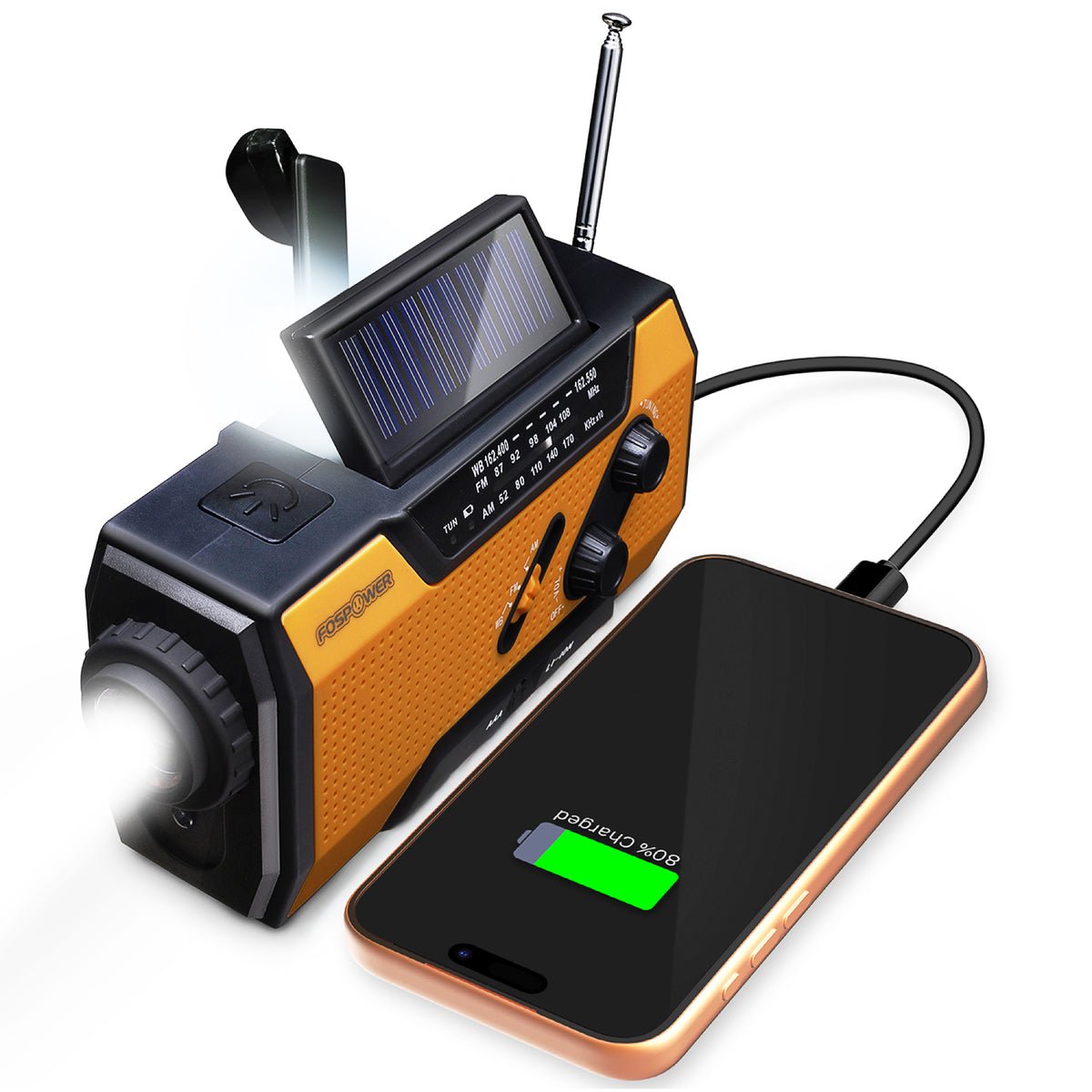
Radio: battery or hand-crank, with the weather band
On 17 of the 18 official lists. It works with no car and no power, and the weather band brings the warnings.
- 14
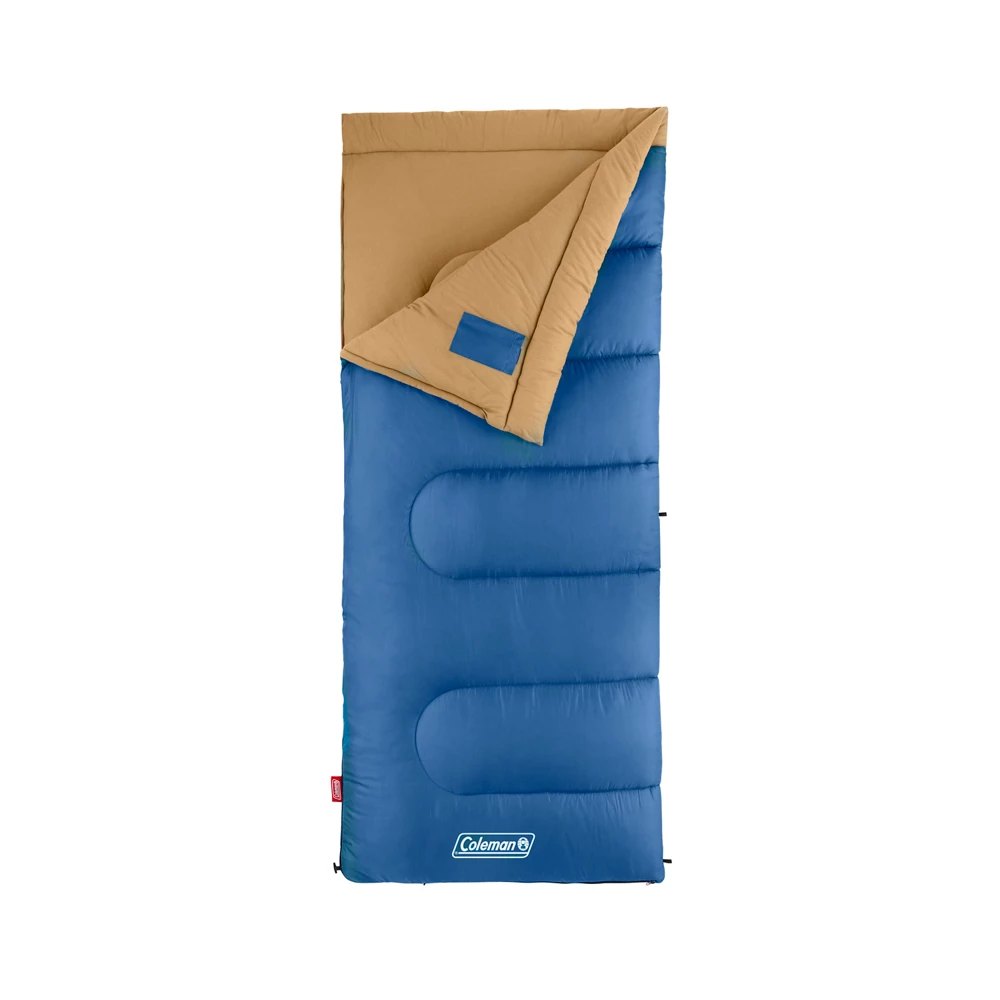
Warm bedding for really cold nights
A wool blanket or a sleeping bag for each person, for a winter outage.
- 15
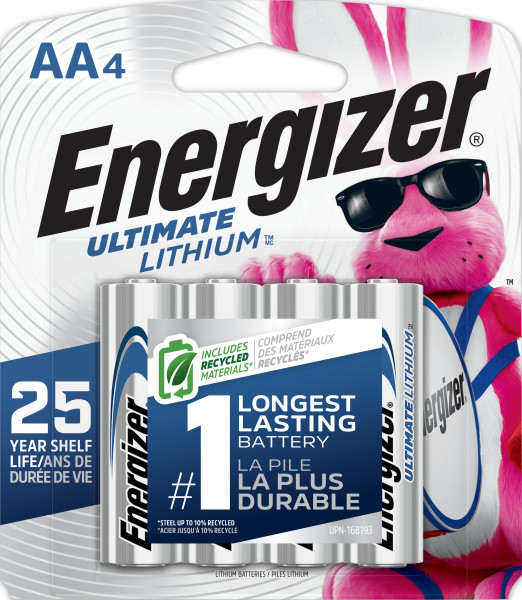
Spare batteries for everything
Lithium AAs and AAAs cost more, work better in deep cold and keep for years. See the Energizer Ultimate Lithium.
- 16
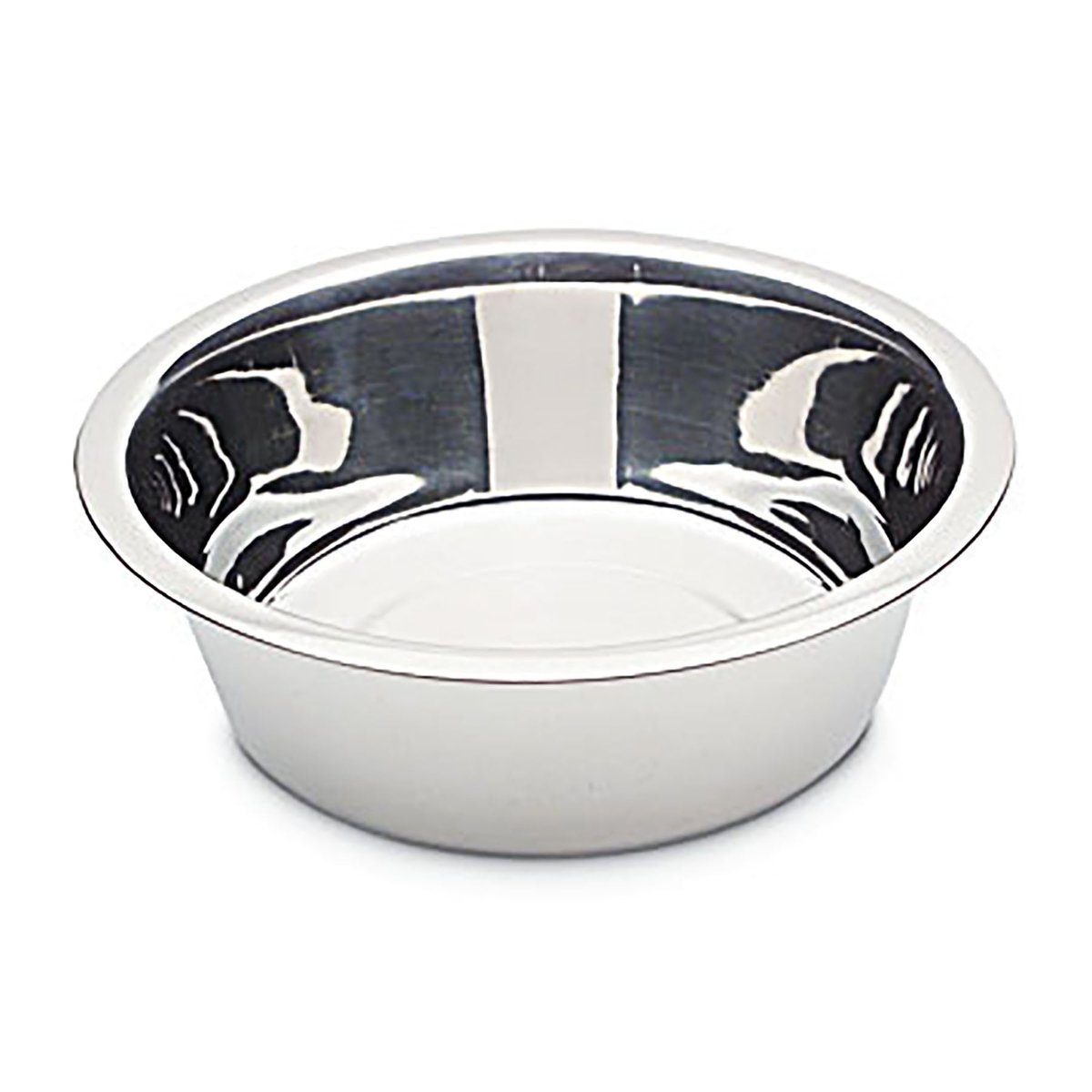
Pets and babies
The ASPCA says 7 to 10 days of pet food and at least a week of water. For a baby, formula, diapers and wipes for the same few days.
- 17
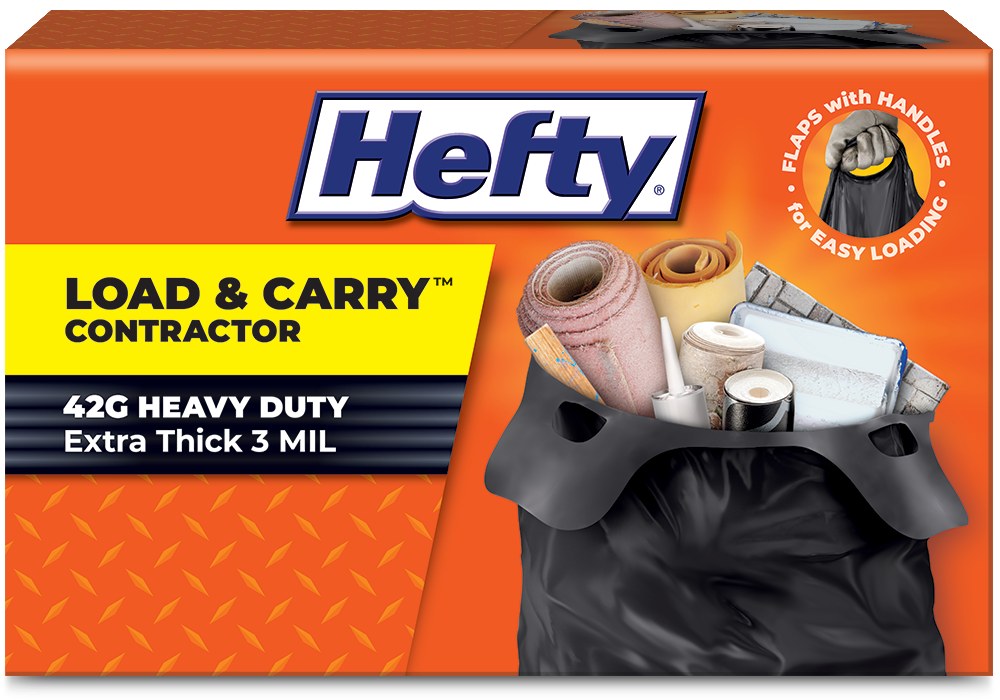
A toilet plan, and keeping clean
The tank usually holds one more flush. After that, line the bowl with a heavy trash bag. Keep toilet paper, wet wipes, hand sanitizer and soap with it.
- 18
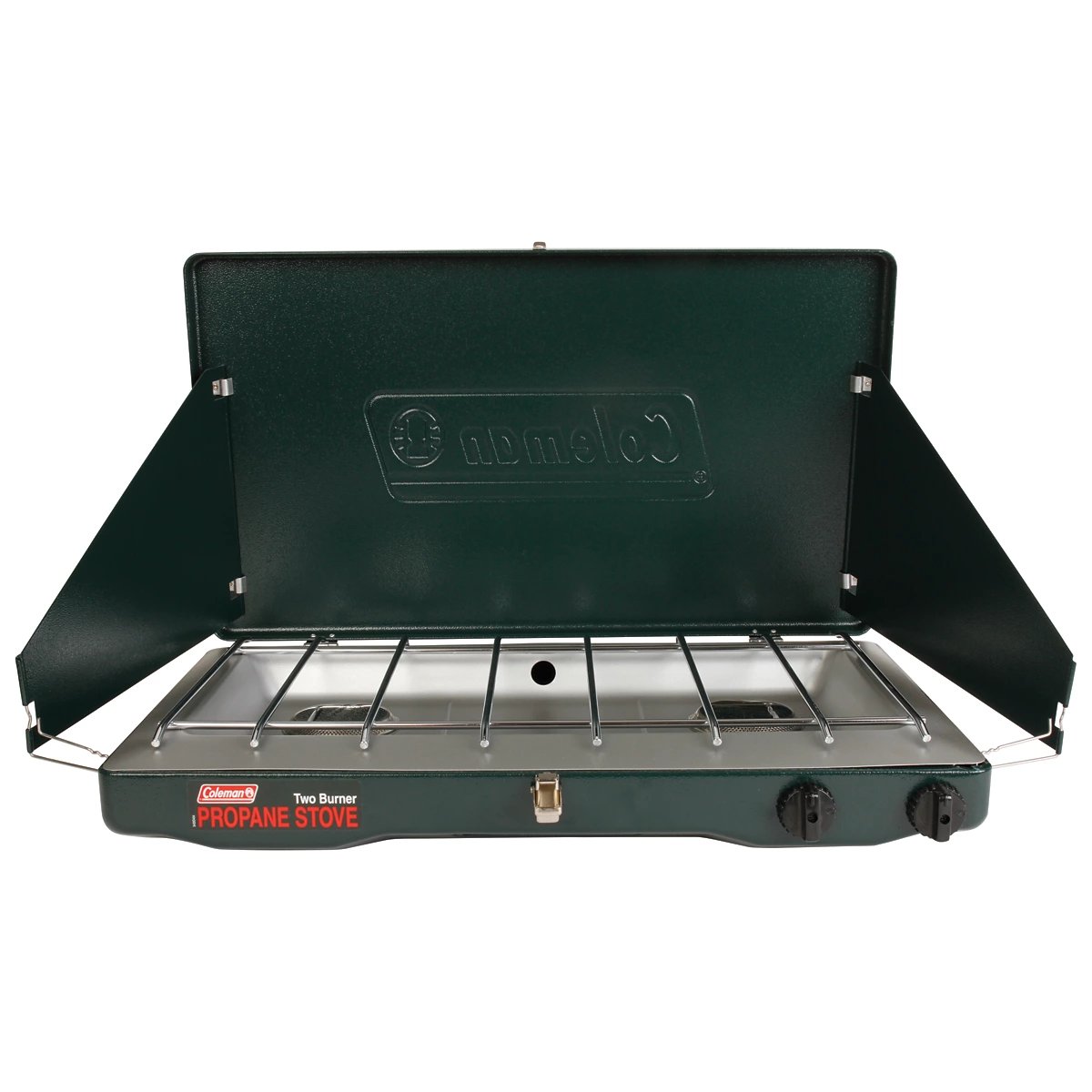
Camp stove and fuel
A single-burner or a two-burner stove like this Coleman. The small green propane bottles are the easy fuel to keep.
- 19
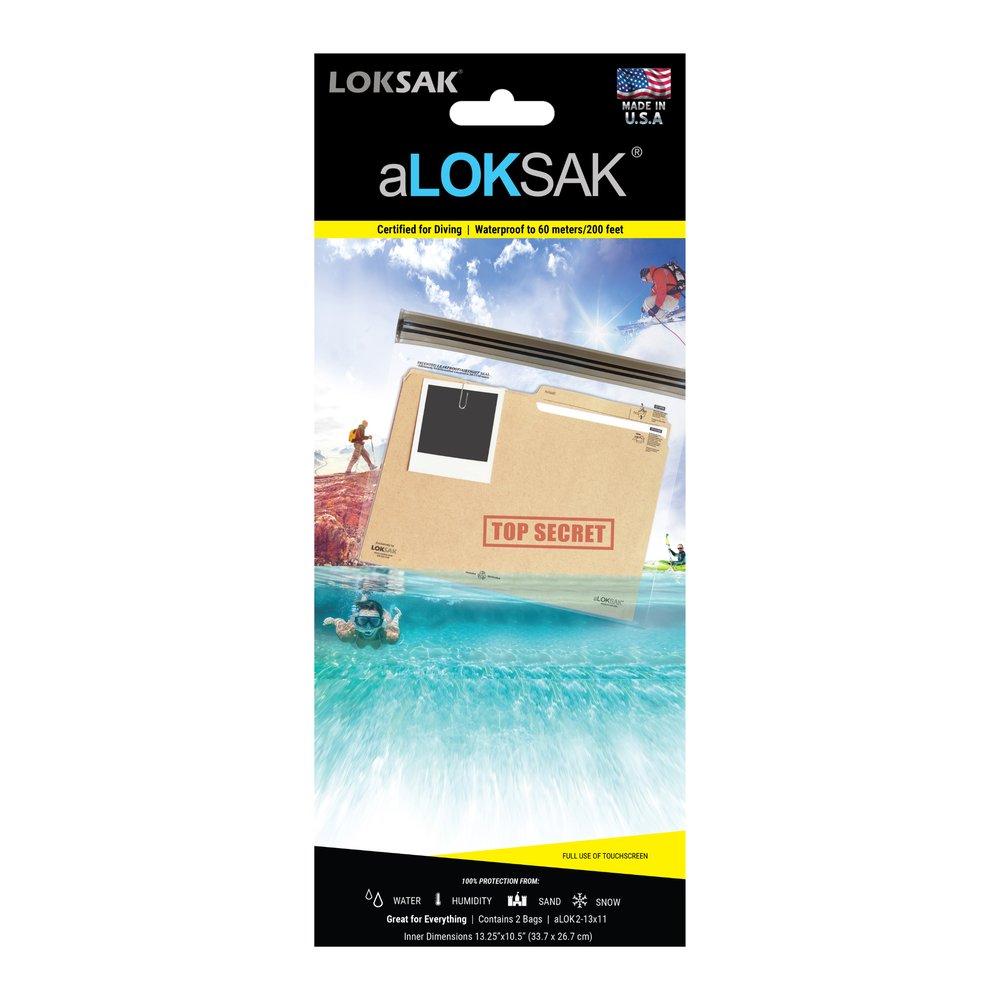
Copies of documents, and phone numbers
Copies of your papers in a waterproof pouch, and important numbers written on paper. Keep some cash in small bills too.
- 21
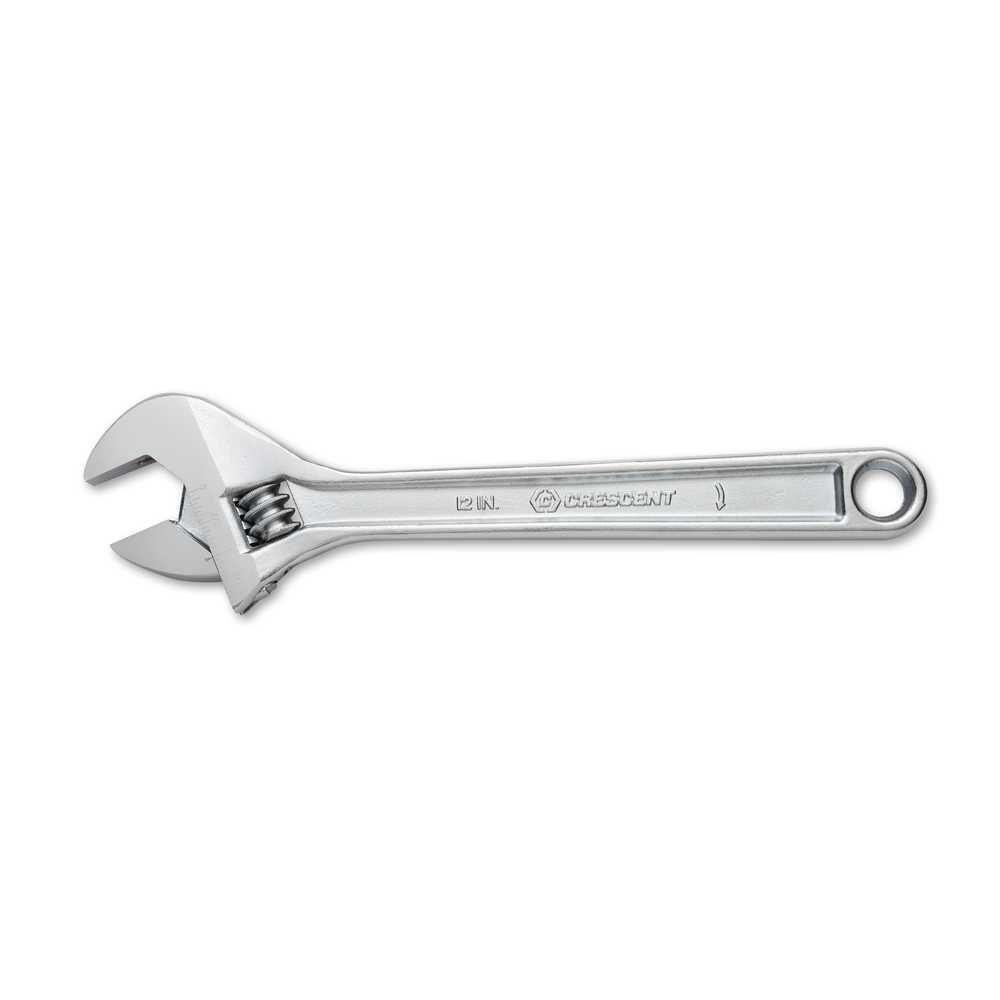
Basic tools: a wrench or pliers
An adjustable wrench turns off the gas if you need to. A multi-tool covers the rest.
- 22
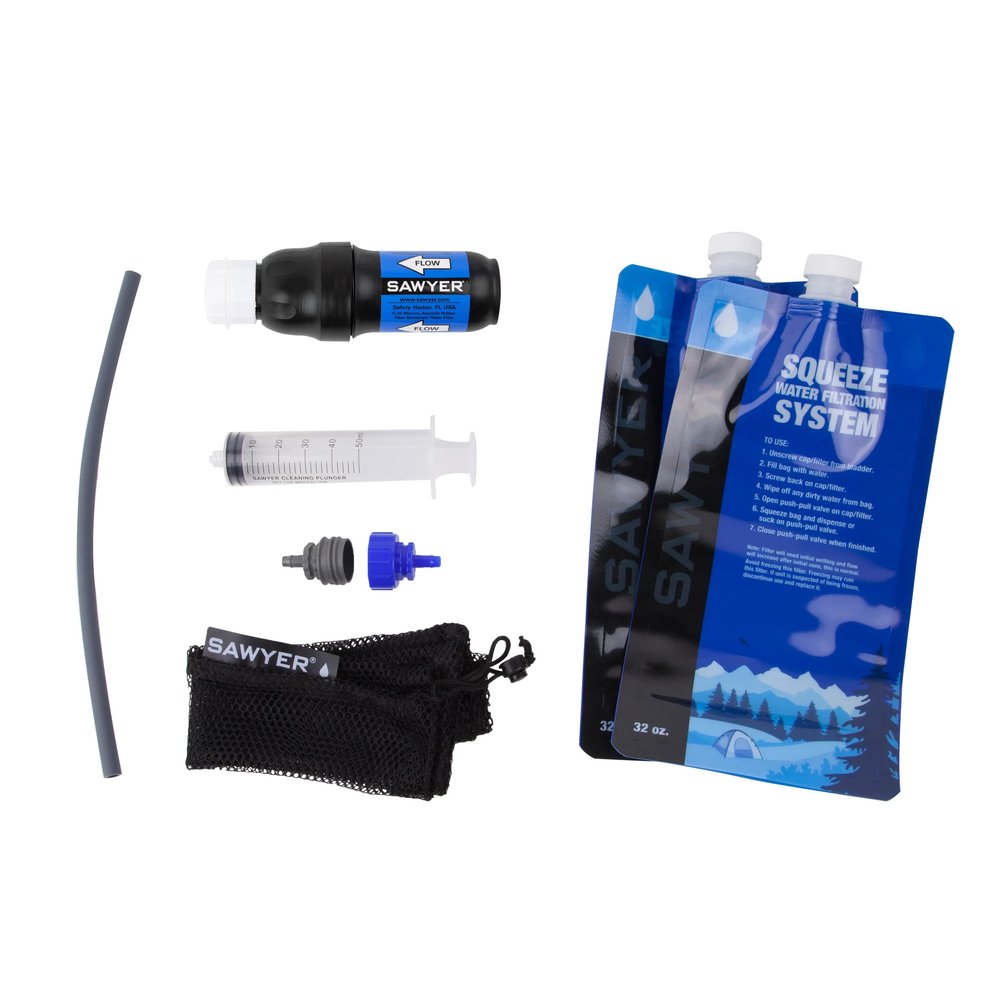
Water containers, filters and treatment
Containers to carry water in, plus purifying tablets, a filter, or both, to make it safe to drink.
- 23
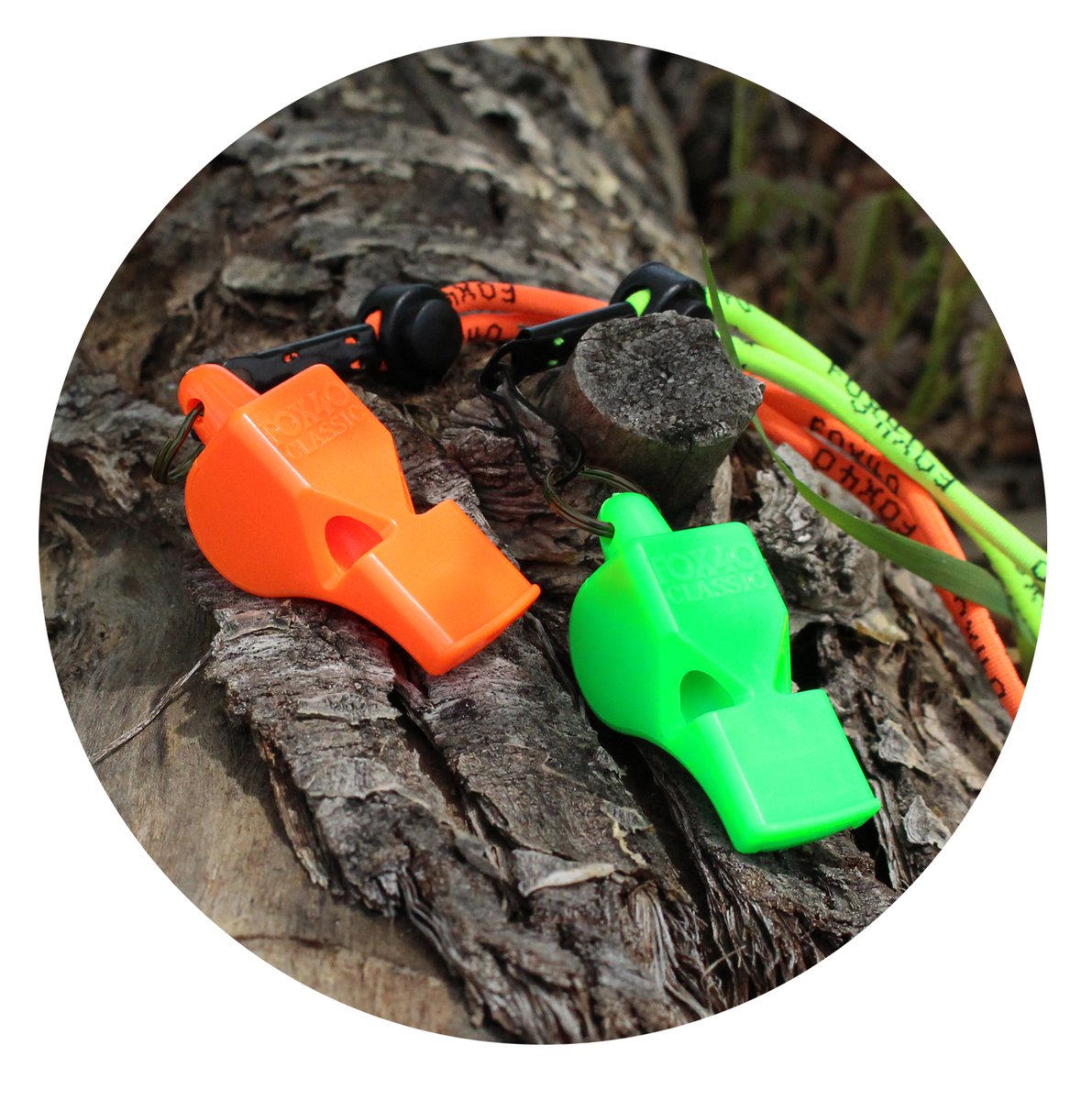
A whistle, for signaling rescuers
A whistle to signal rescuers, kept where you can reach it.
- 24
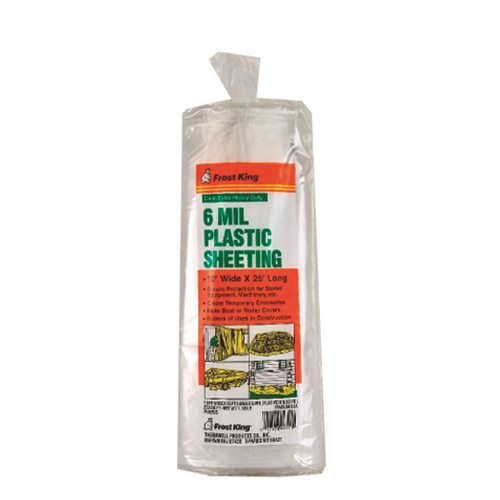
Plastic sheeting and duct tape
Plastic sheeting and duct tape, used together: they seal a room if you are told to shelter in place.
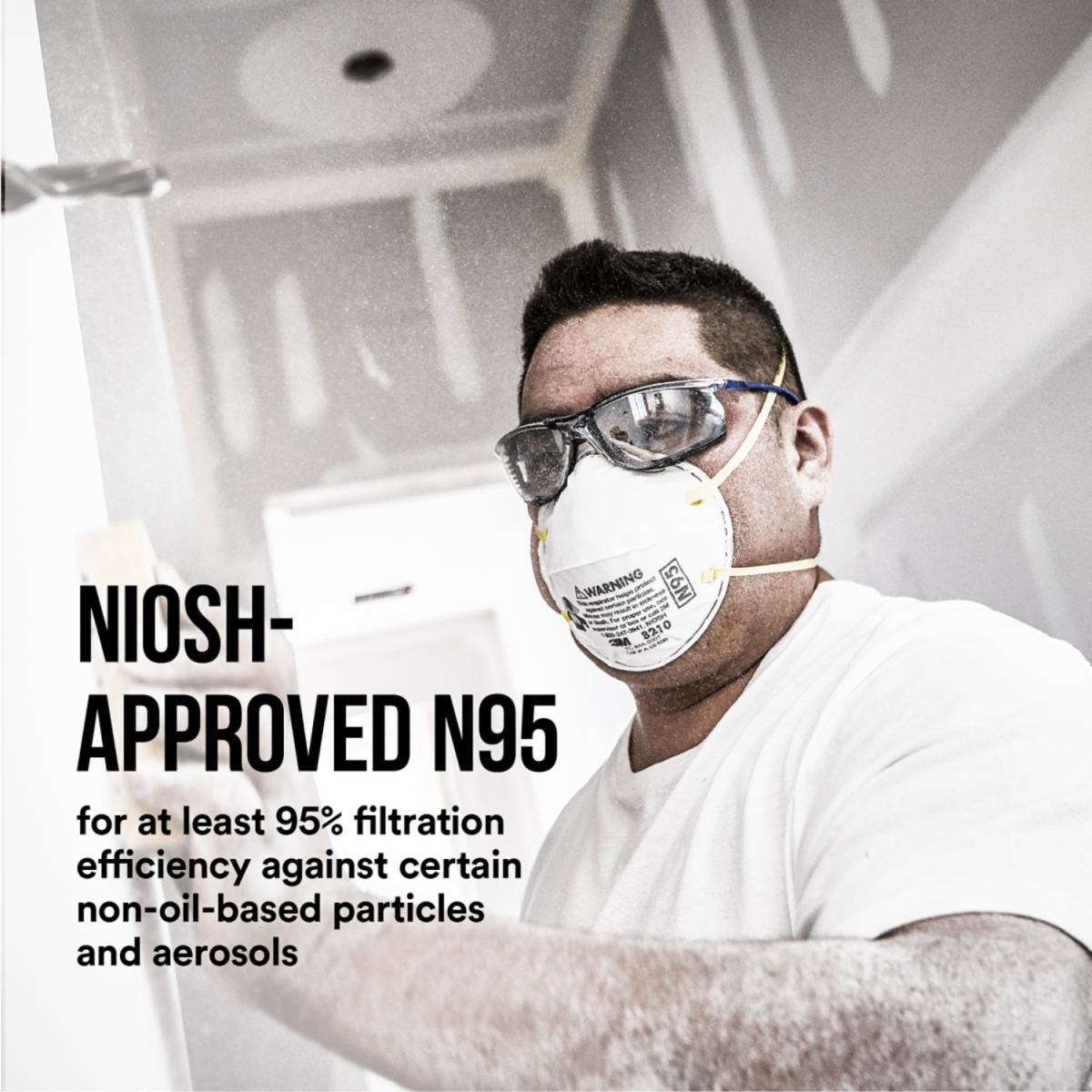
Extras some countries ask for
- 25
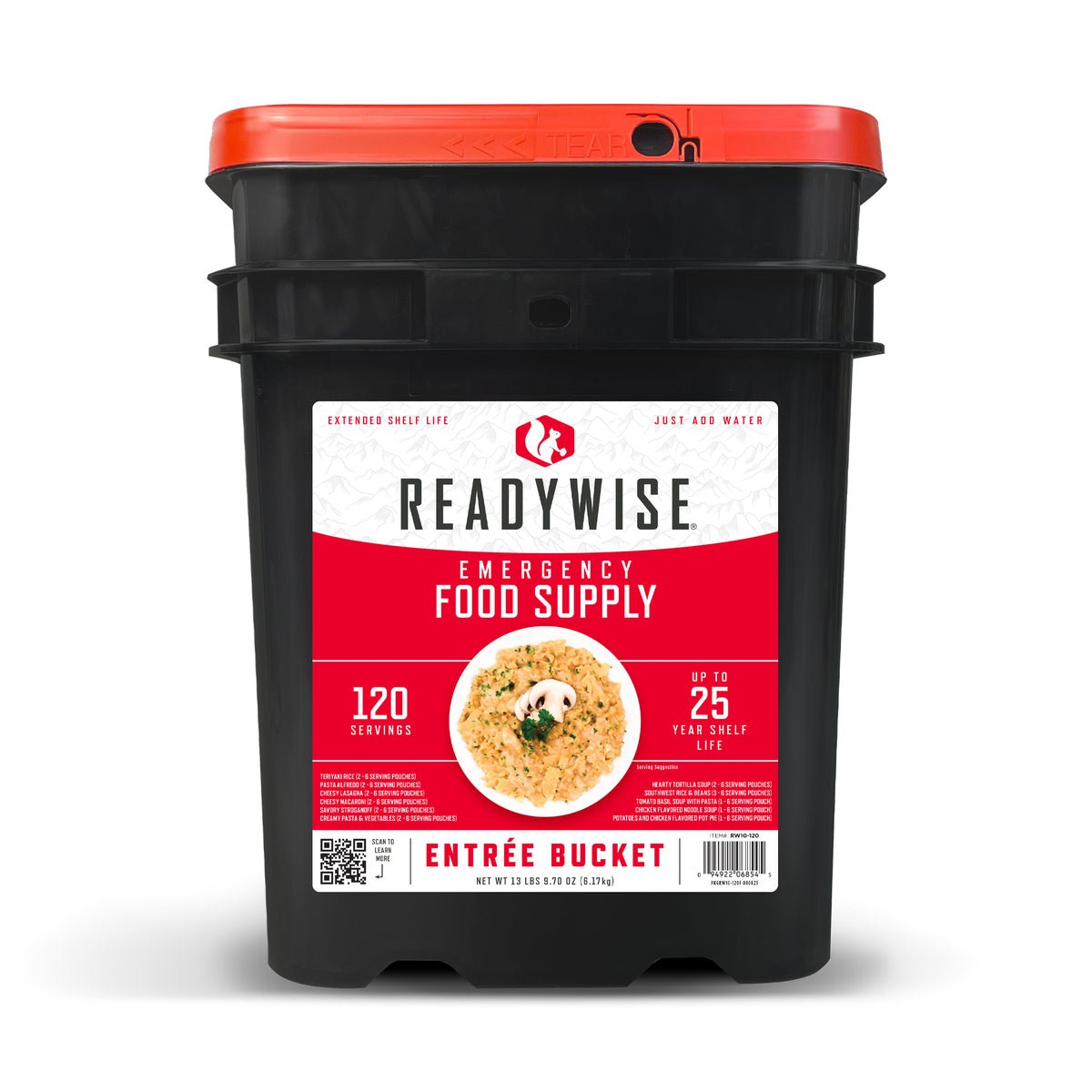
Extra food and water, for a week or more
Sweden, Norway and Estonia ask for a week of food and water, and Germany for ten days. Keep adding toward that as your budget allows, with more water and a pantry that lasts.
- 26
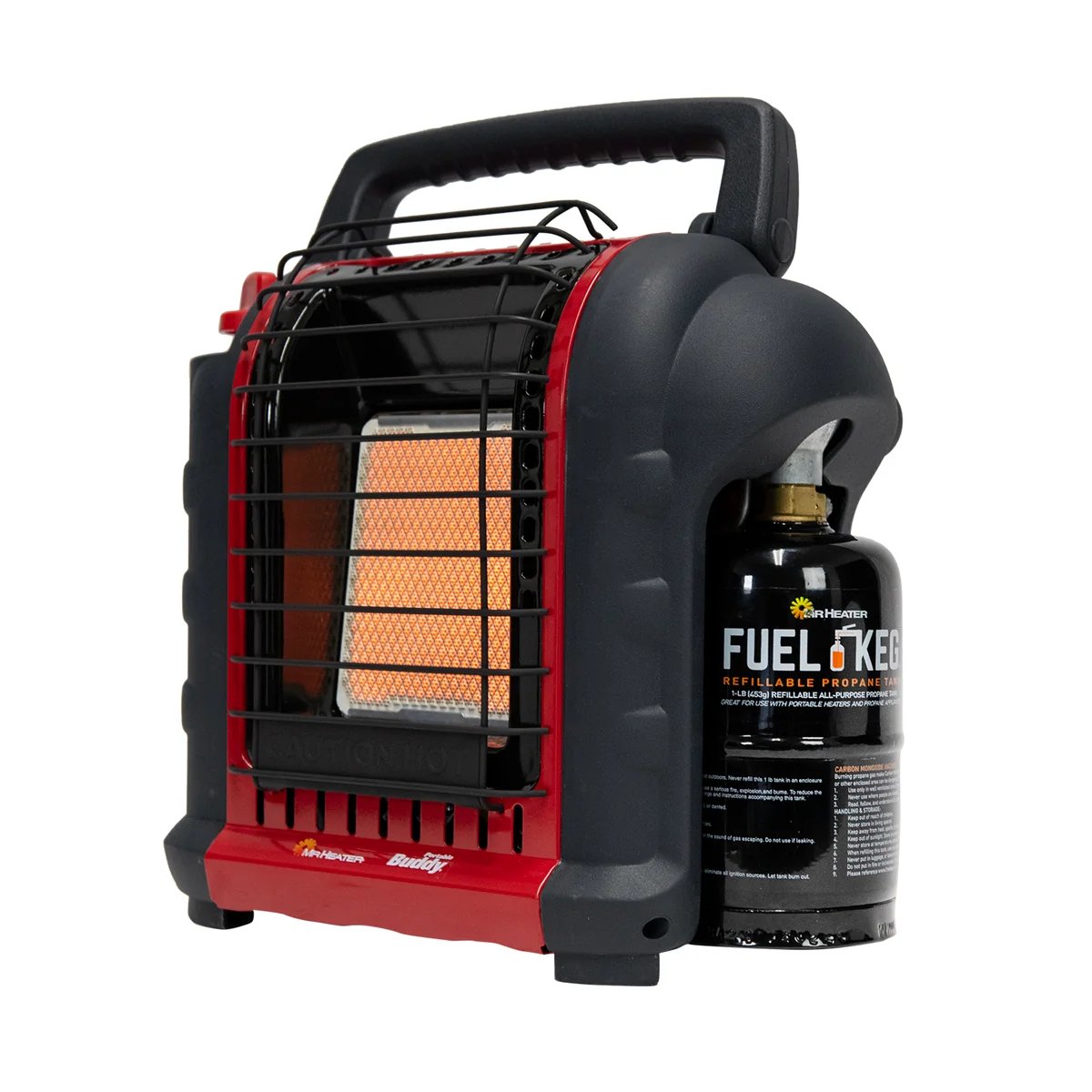
A heater that needs no power
Germany, Sweden, Norway and the EU ask for one, with its fuel. Add a carbon monoxide alarm.
- 27
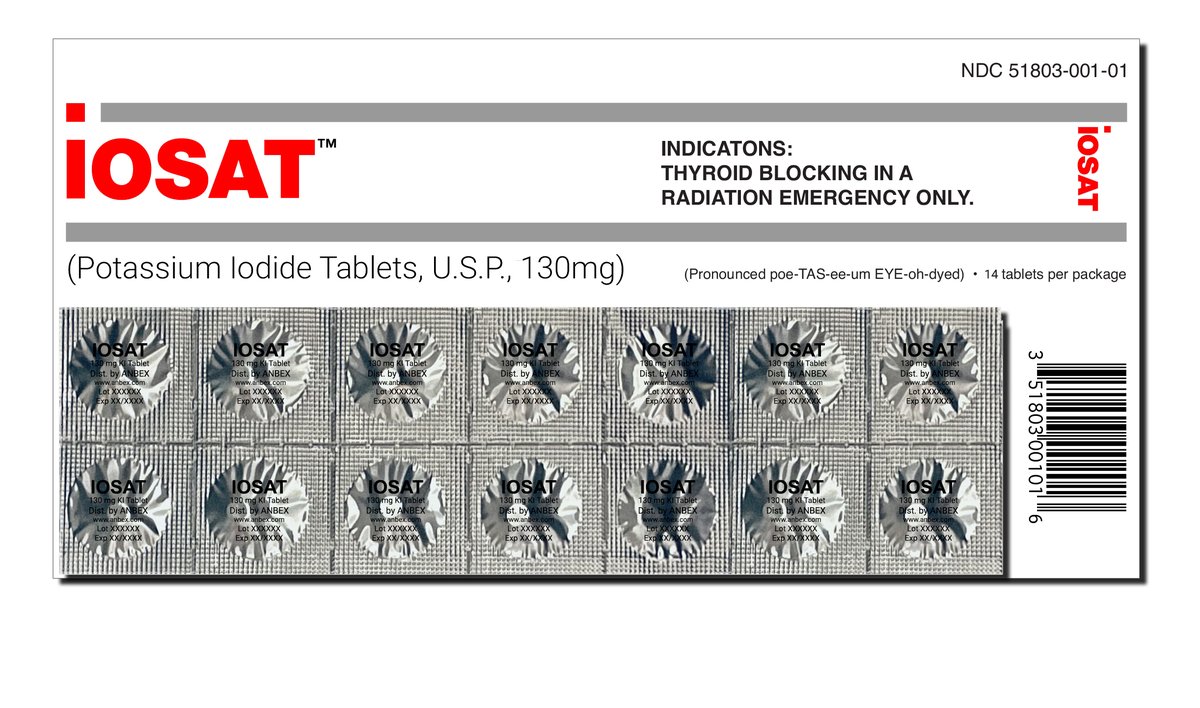
Iodine tablets
Potassium iodide tablets, to protect the thyroid in a nuclear or radiological emergency.
- 28
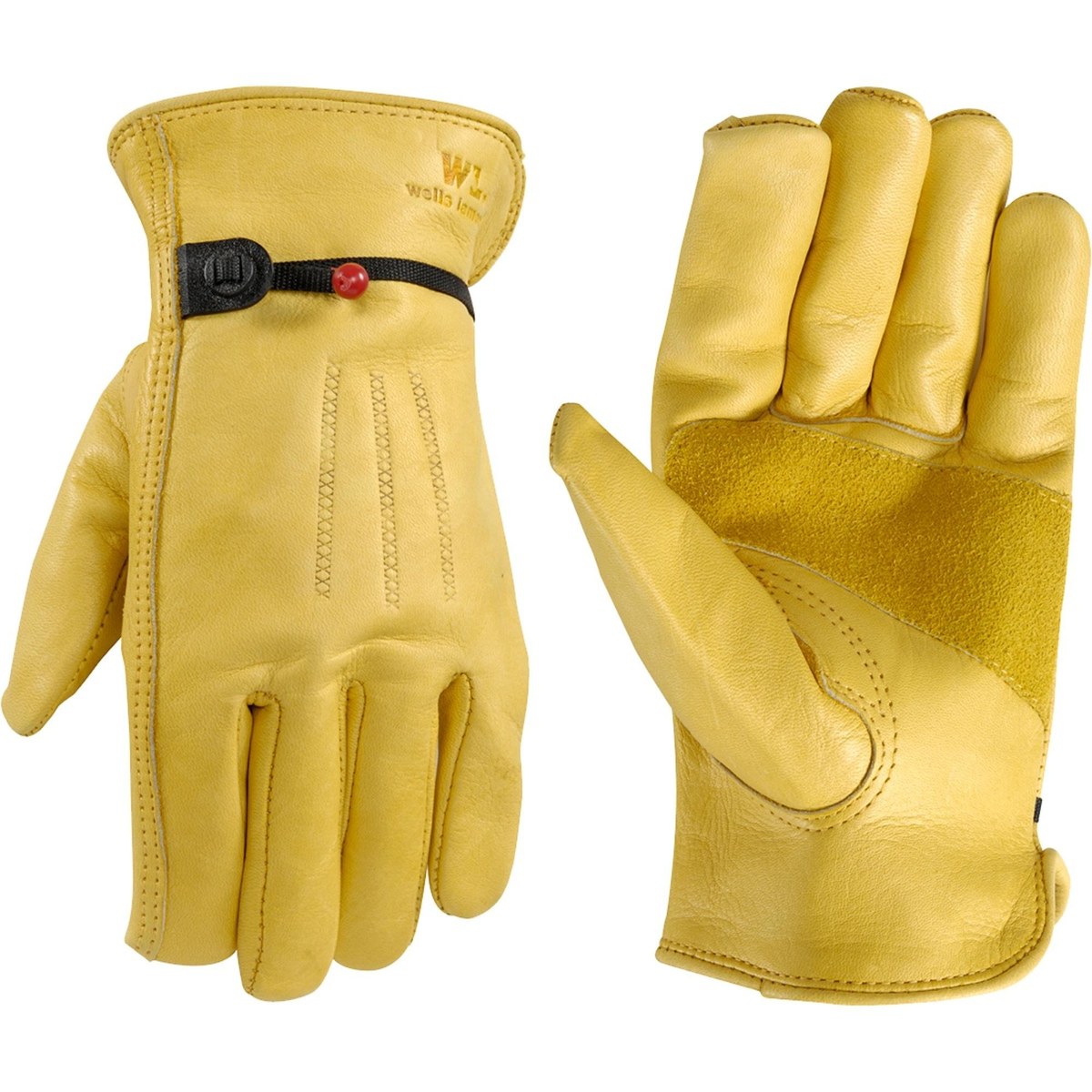
Work gloves, spare keys and glasses
A pair of leather work gloves, spare house and car keys, a spare pair of glasses, and a fuel tank kept at least half full.
- 29
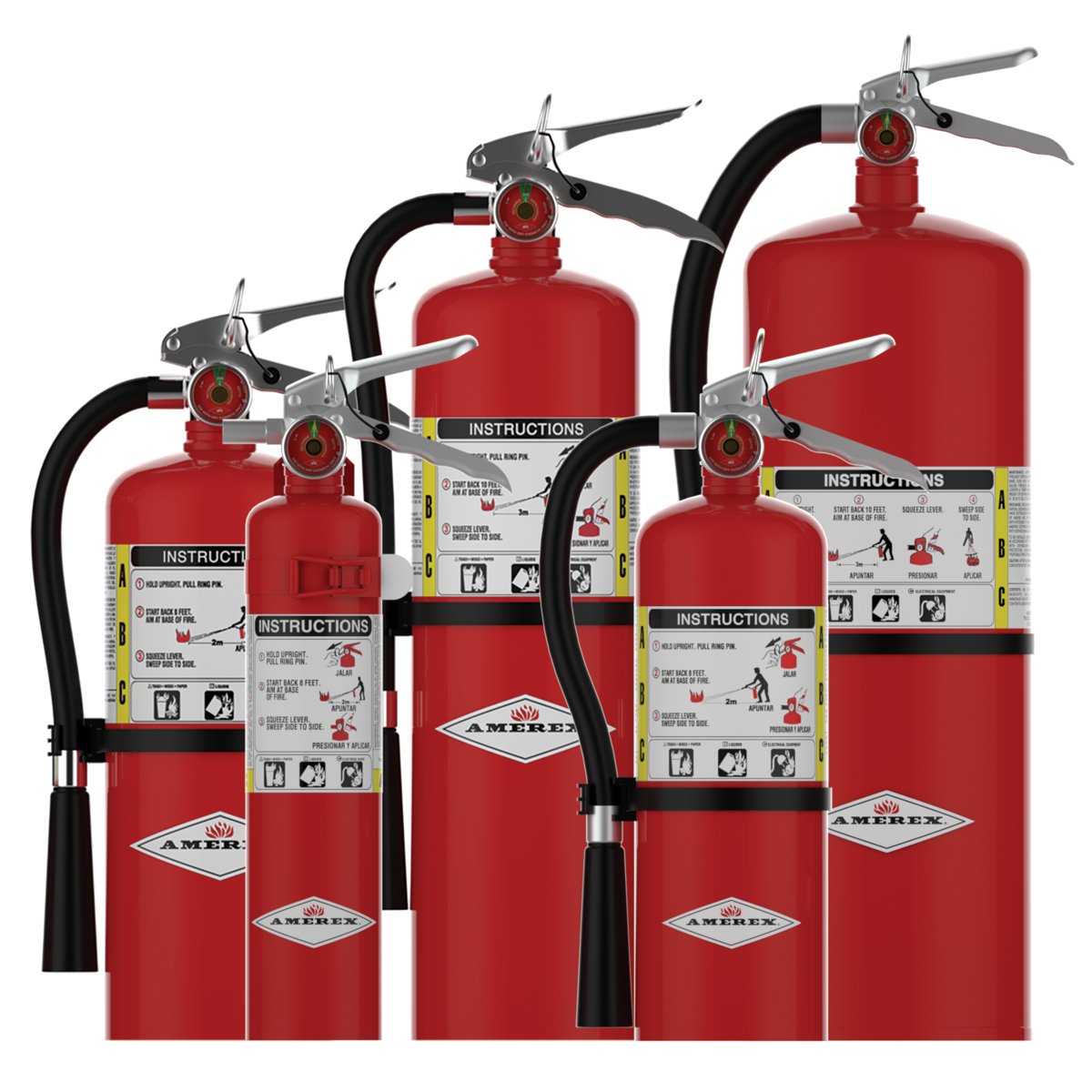
Fire safety
A fire extinguisher within reach, and smoke and carbon monoxide alarms, tested. They matter more with candles or a heater in use.
- 30
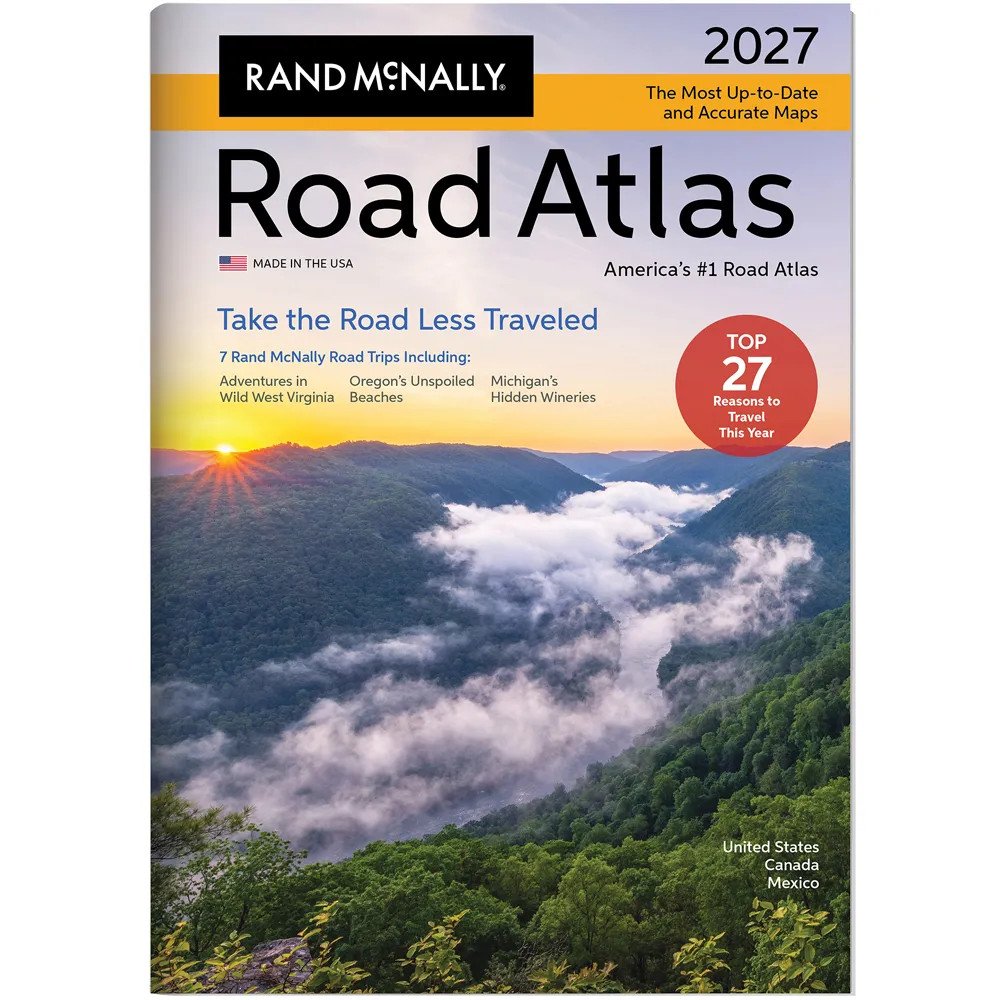
Books, games and maps
Books, games and a deck of cards help the long, dark hours go by. Local paper maps work when your phone can't.
- 31
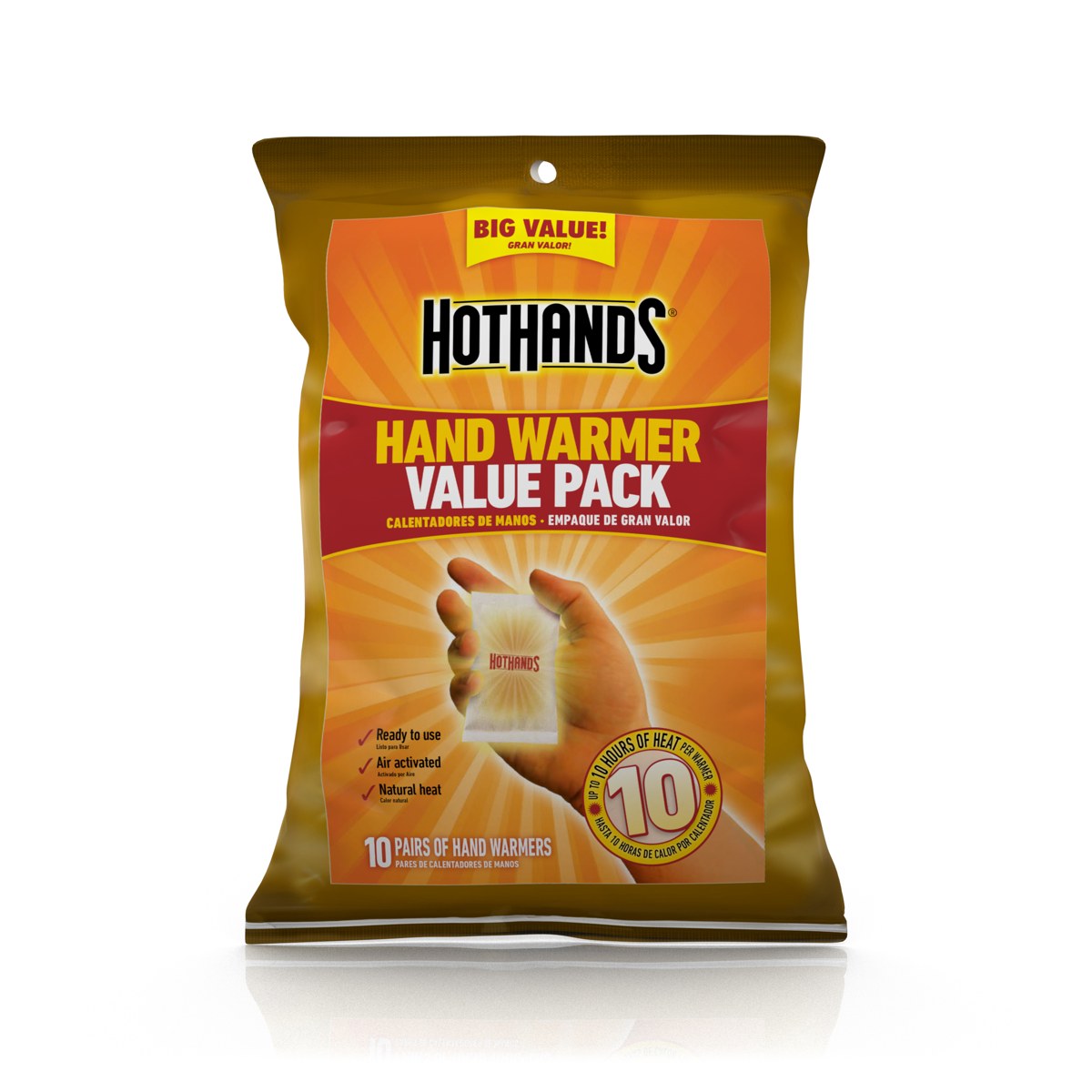
Hand warmers
Air-activated HotHands run up to 10 hours each, by the maker's figures, with no power at all.
What's next
With the basics and the full kit, you have what most governments' 3-day kits ask for. Next, store more water, build up a pantry that lasts, learn to make water safe, and look at heating without power for a long winter outage. Prepared, not scared.