Every heater, generator, lantern and stove in an outage runs on fuel you stored before it
started, because the gas station's pumps need power too. Here is how
to keep it:
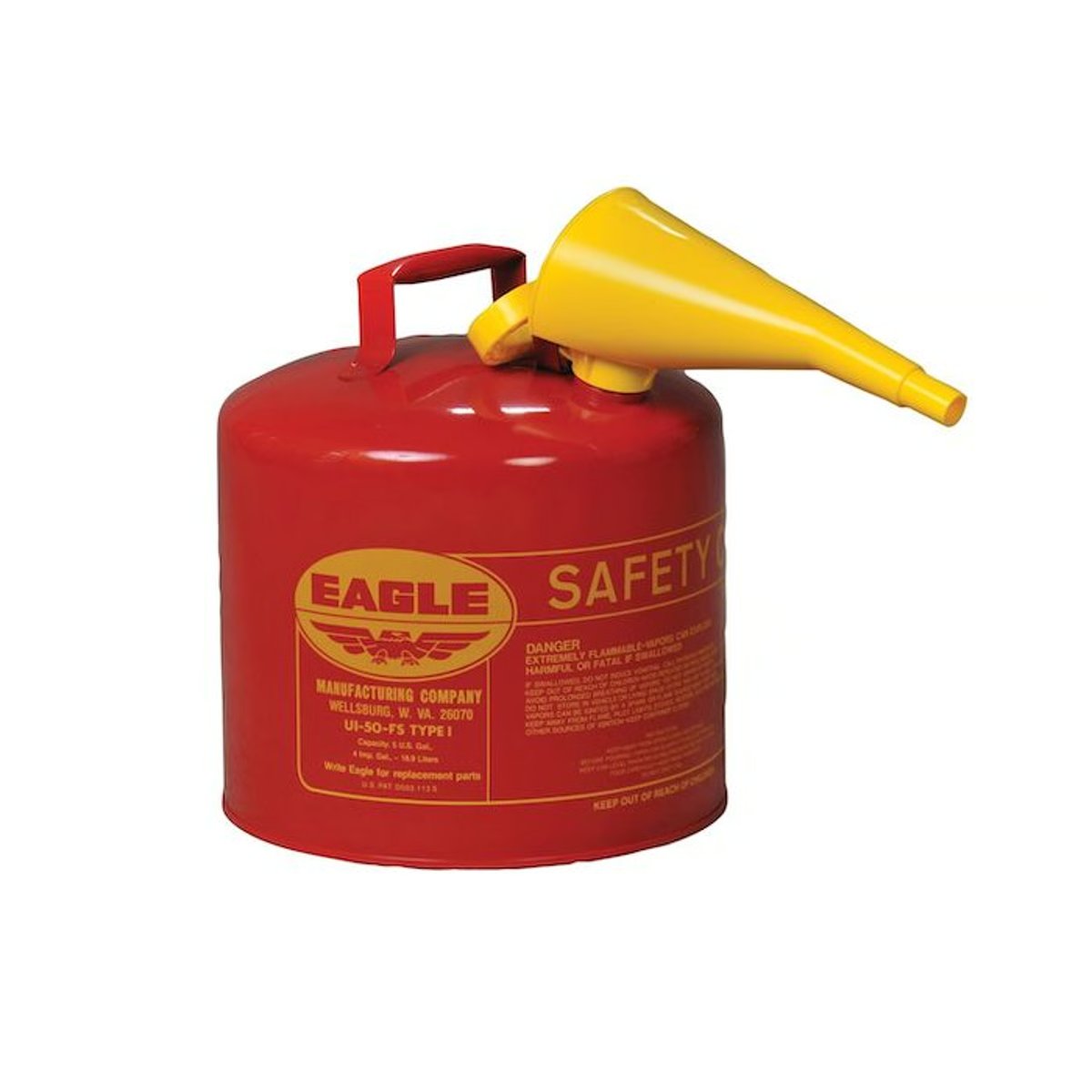
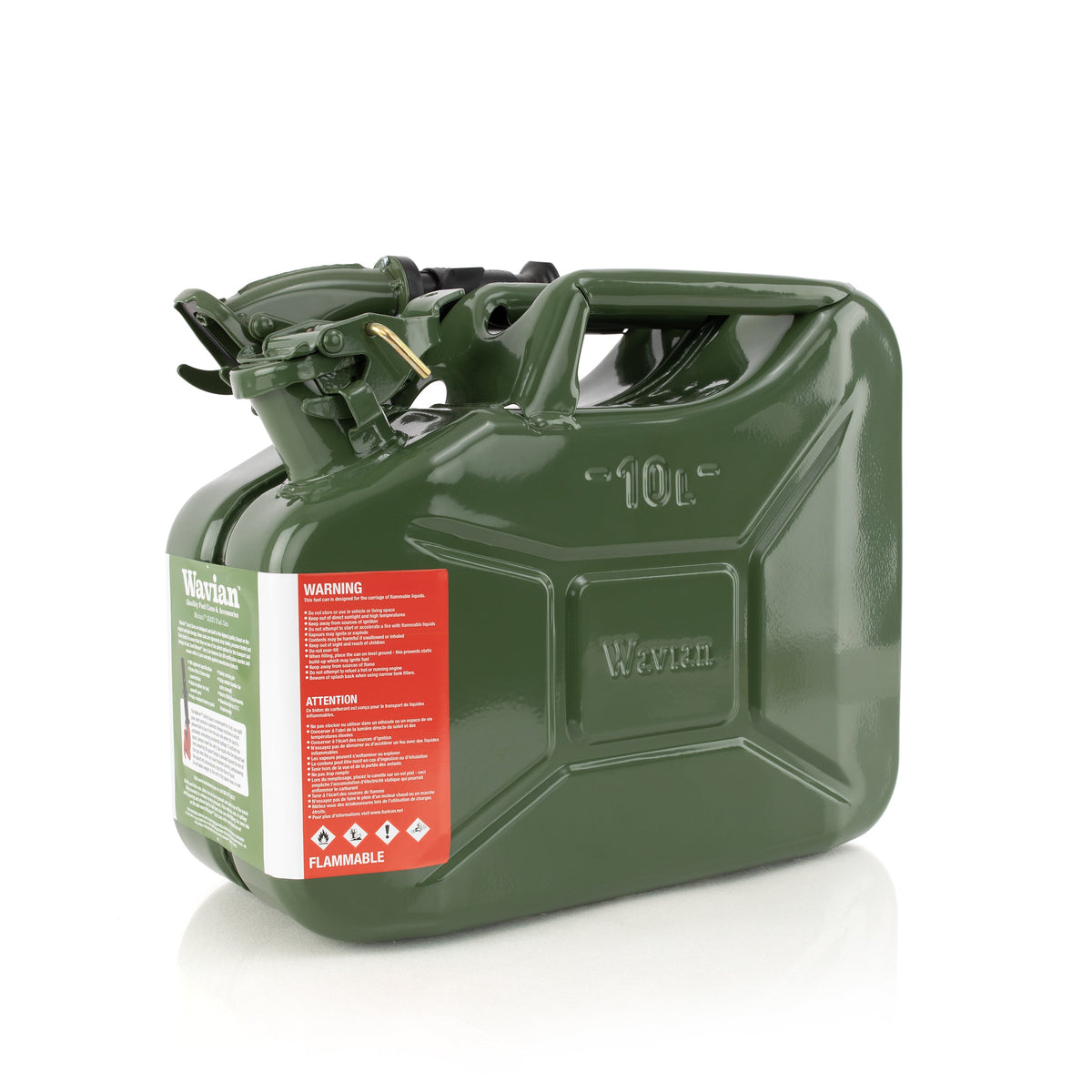
- Approved cans only, and the right colour. Gasoline in a red, UL-approved can with a spout;
kerosene in a blue can used for nothing else. Never put kerosene in a can that once held
gasoline: even traces of gasoline make it explosive in a heater. Never glass jars or milk jugs
(Maine DEP).
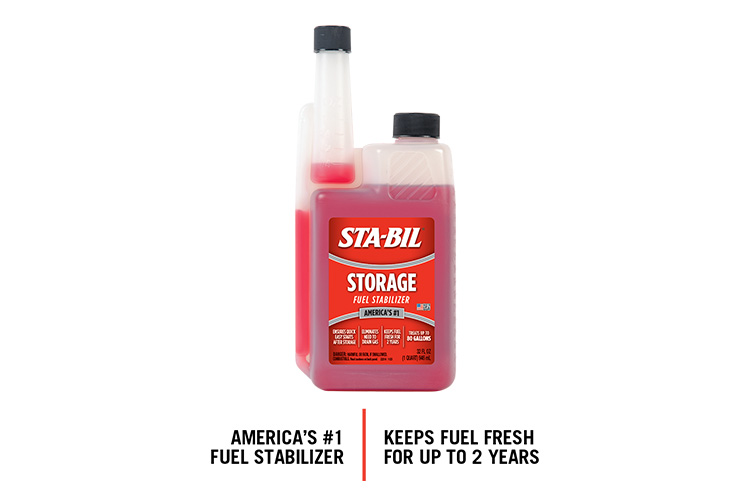
- Gasoline goes stale. Untreated gasoline should not be stored more than 30 days without a
stabilizer (Maine DEP). Date every can and rotate it through the car.
- Keep it small and outside the living space. One fire department's recommendation is no more
than 5 gallons of gasoline at home and 10 in an attached garage, and none in the basement;
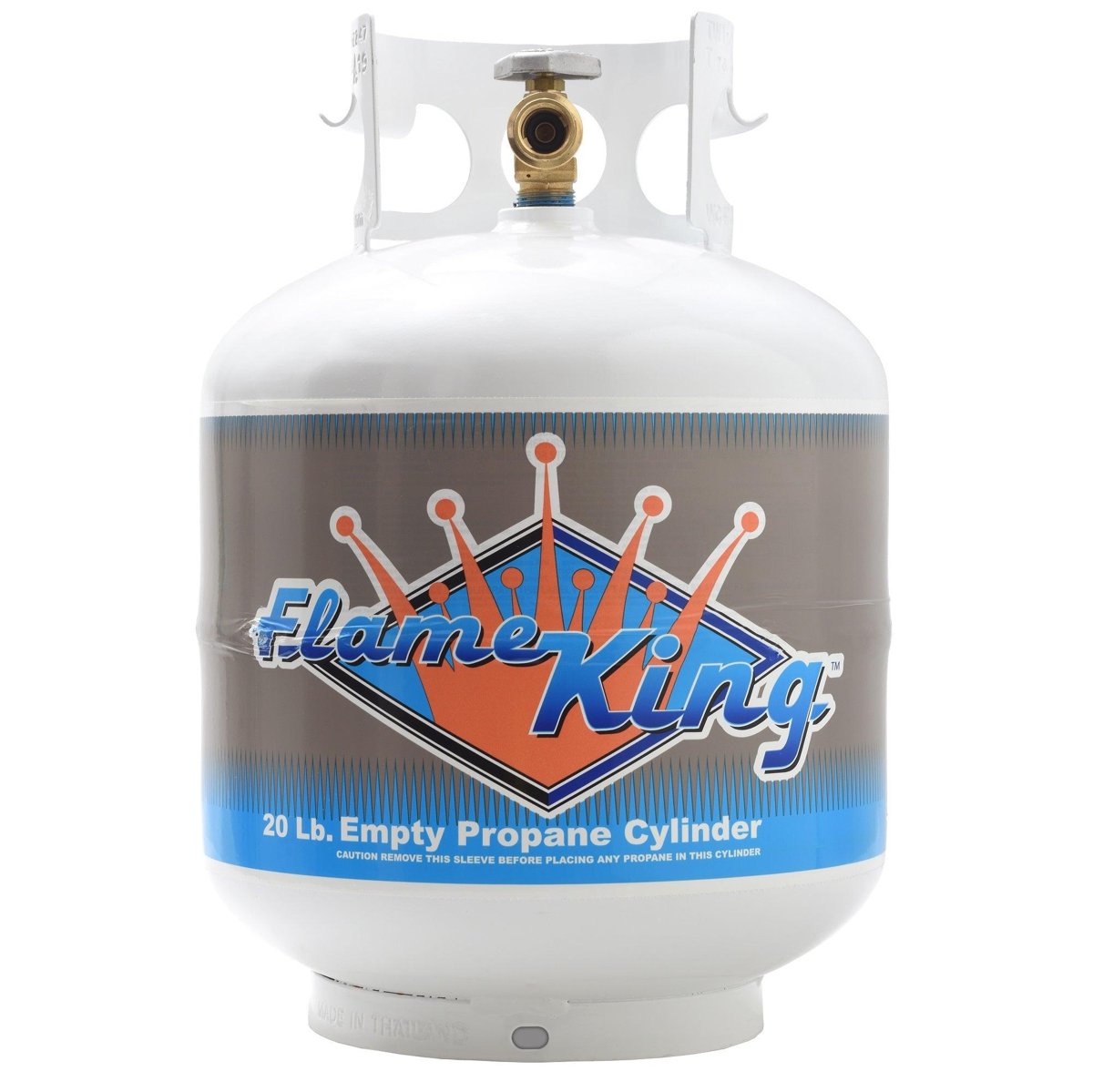
check your local code. Propane cylinders bigger than 1 lb never come indoors, empty or full.
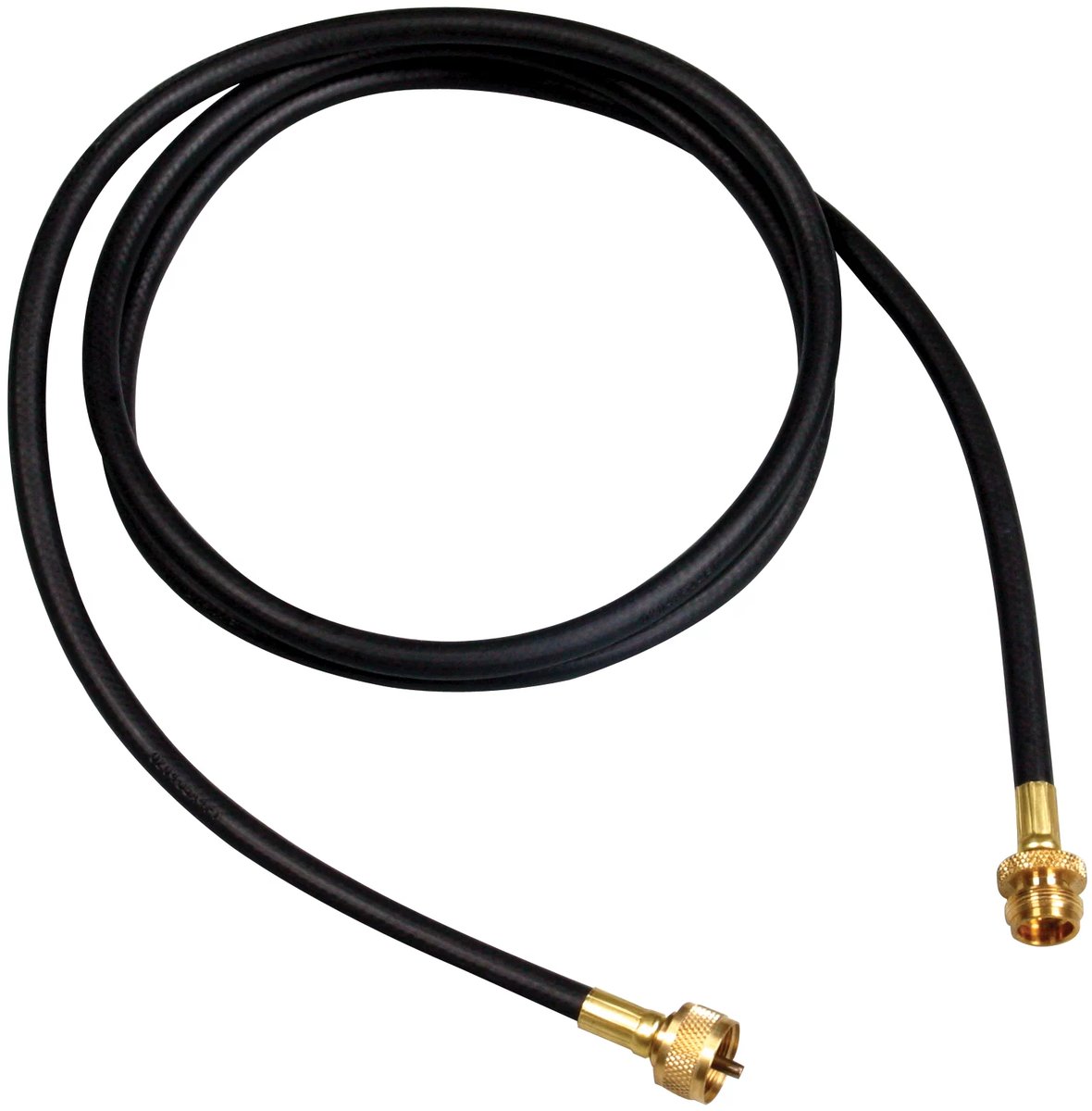
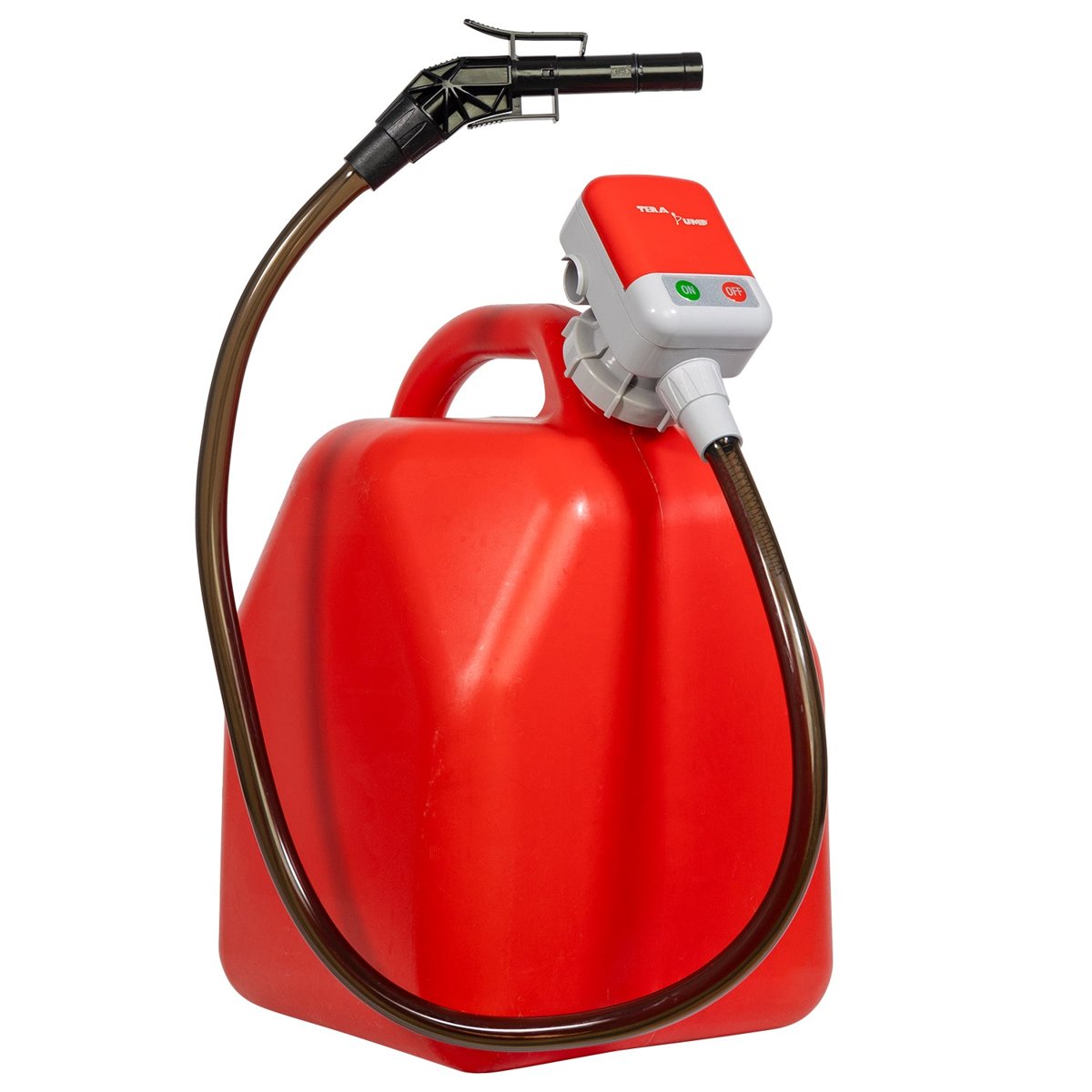
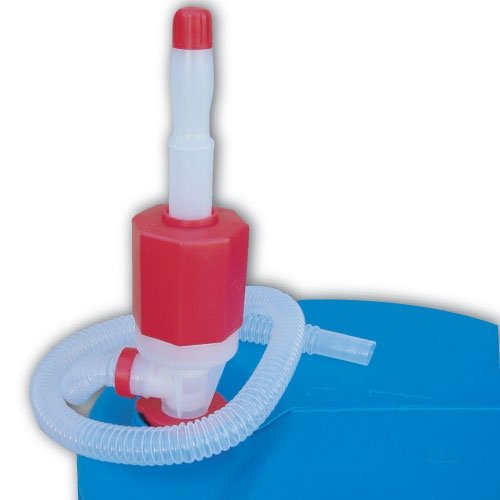
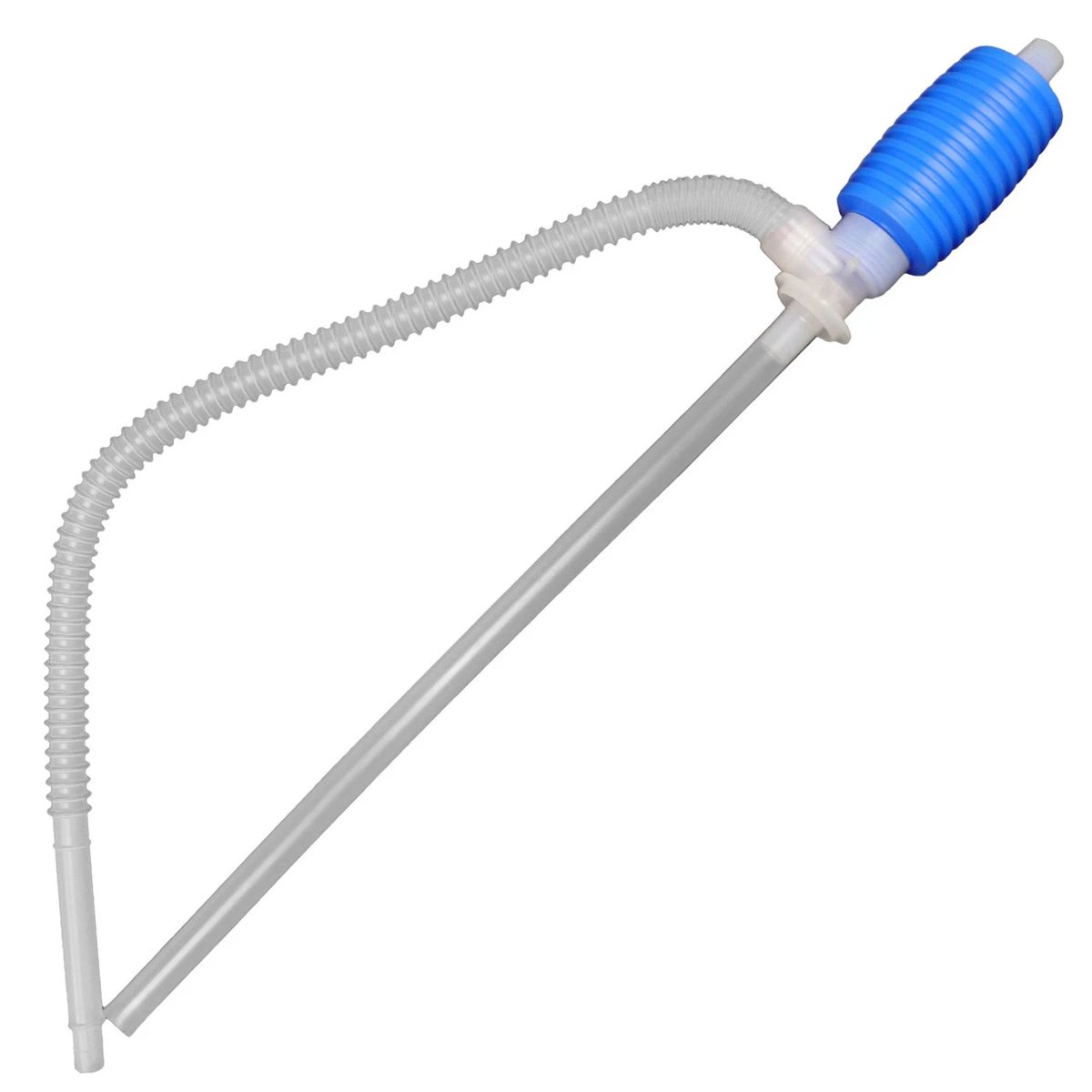
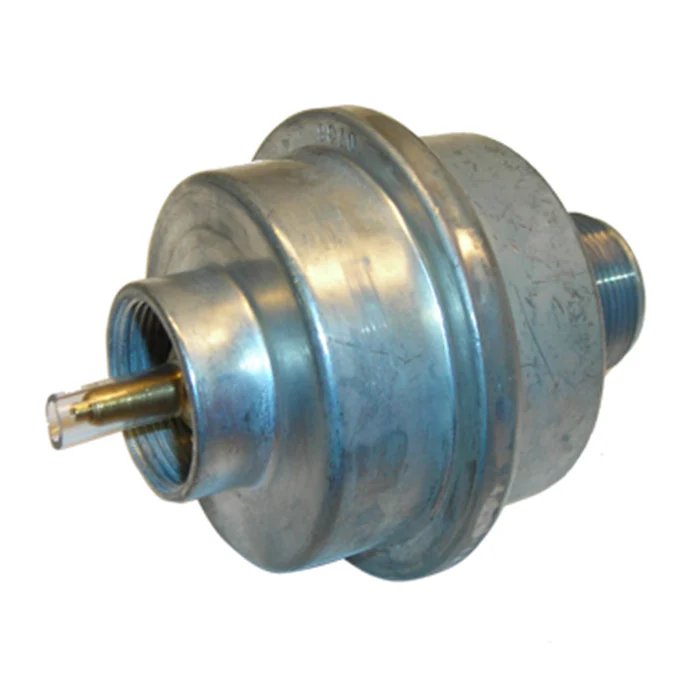
- Move it without spilling. A funnel for the cans, a siphon pump for kerosene, and for a
Mr. Heater run from a refillable tank, the hose and fuel filter Mr. Heater specifies.
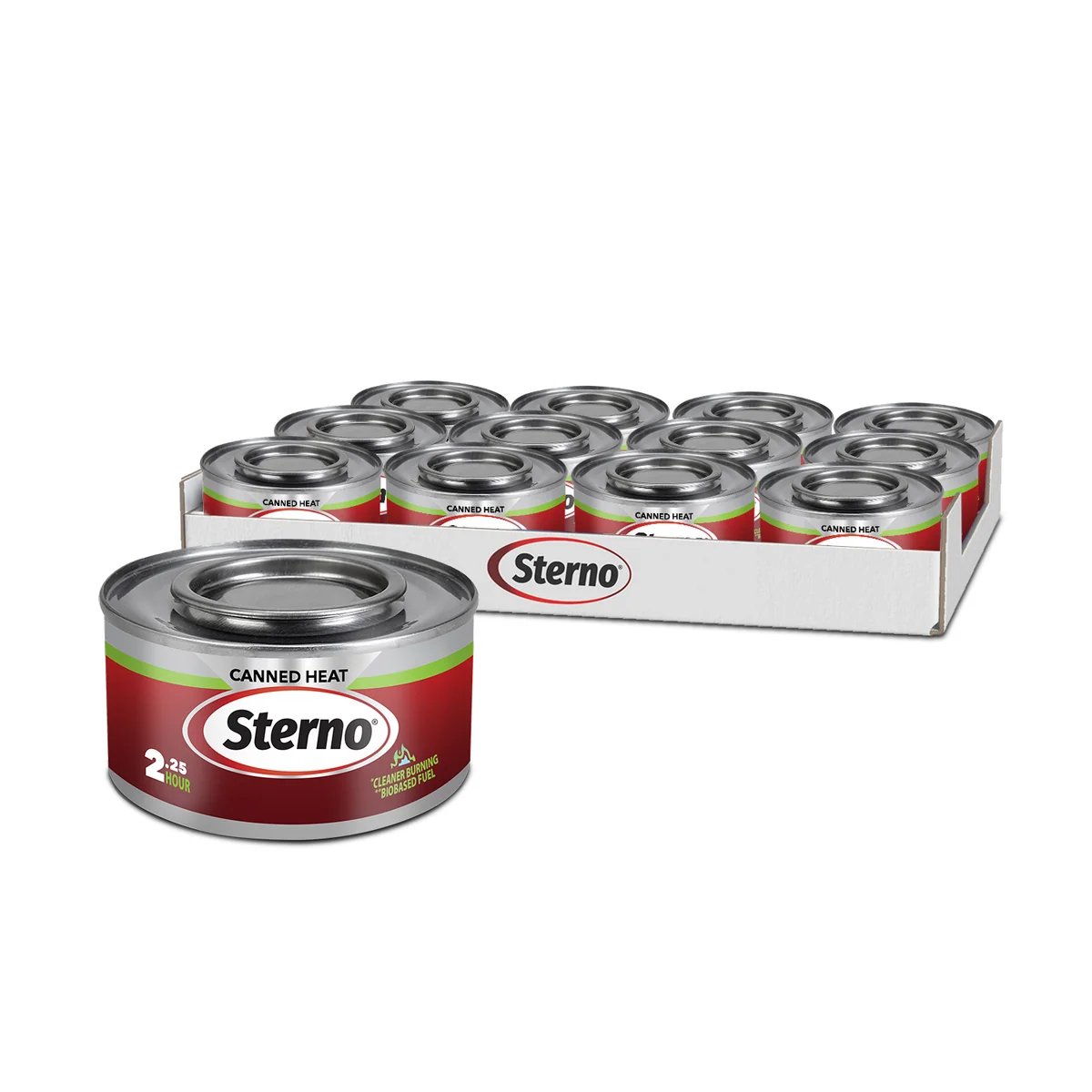
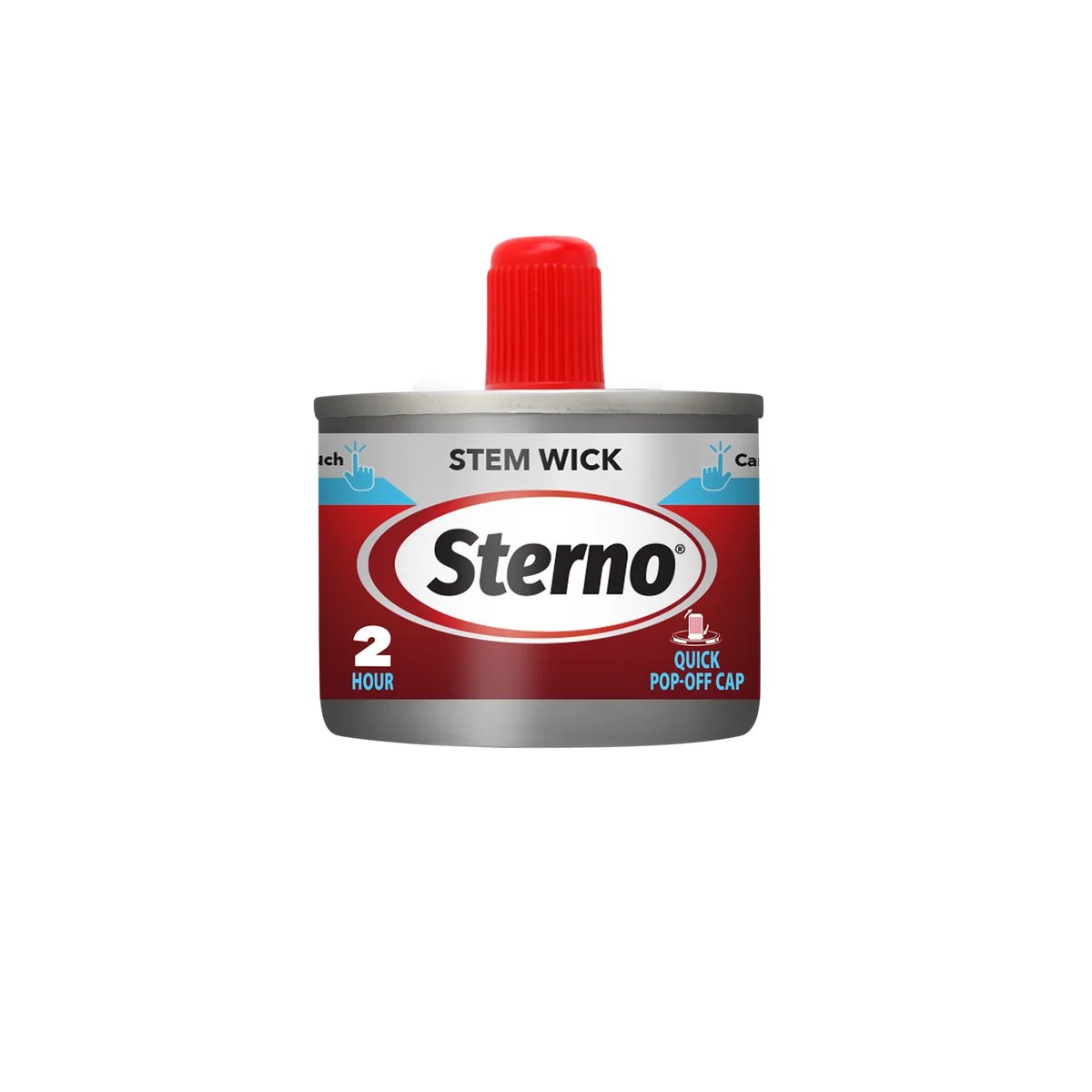
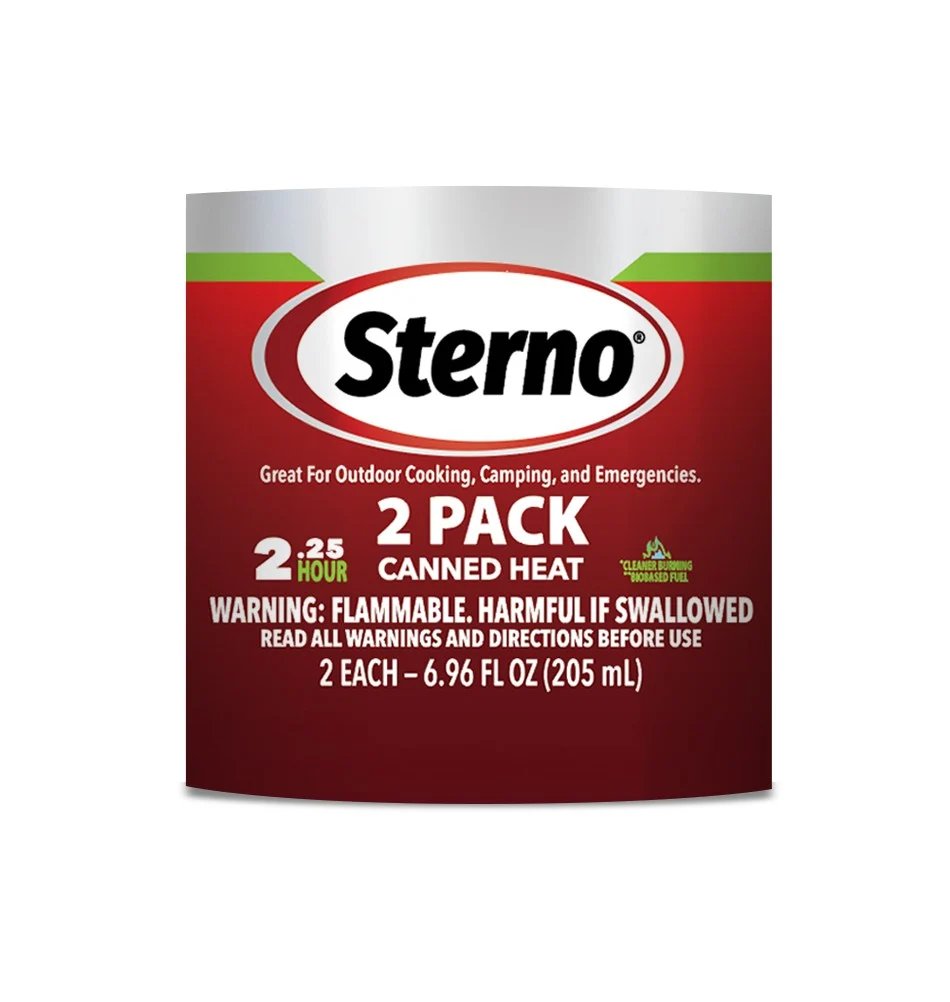
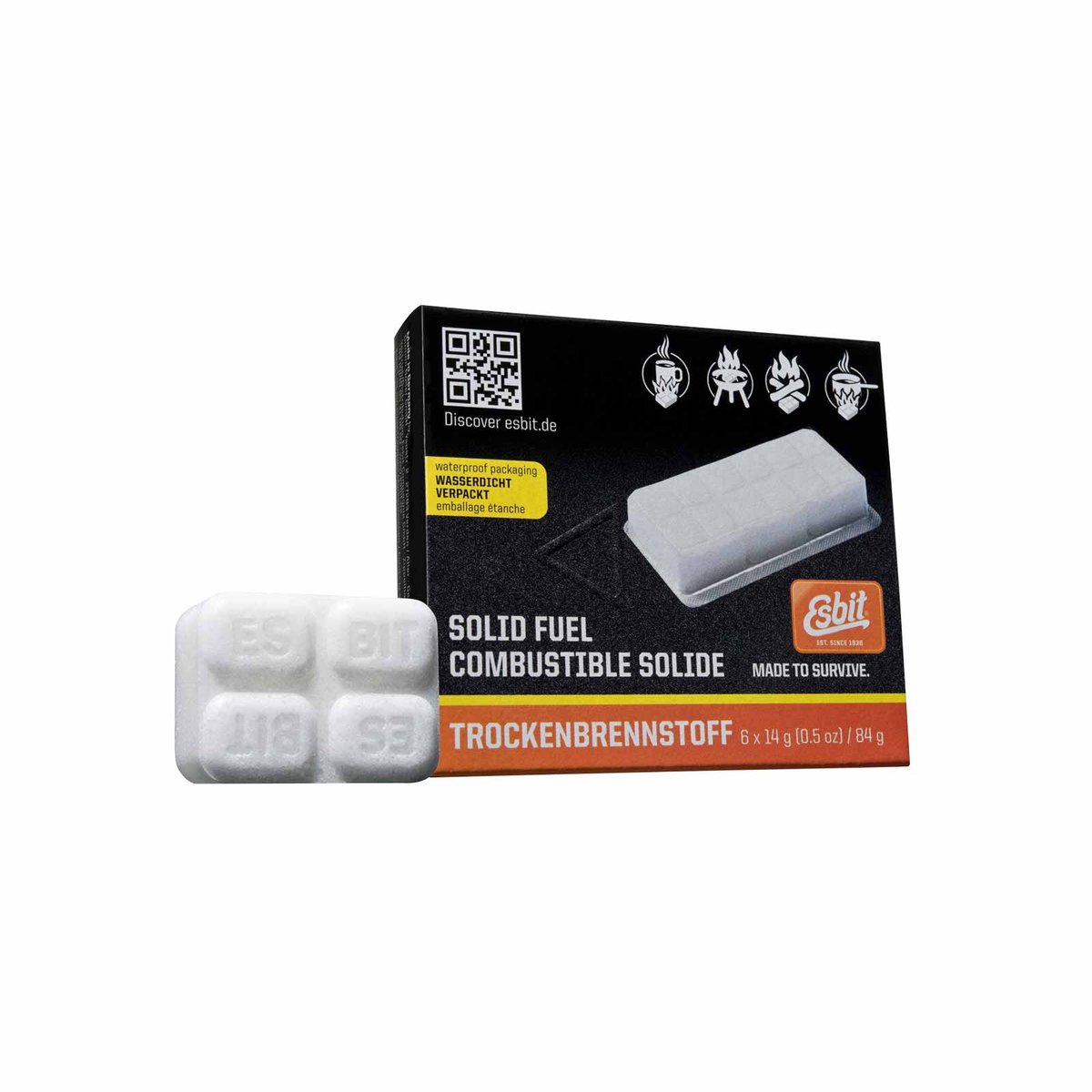
For cooking and warming food when the stove is out, chafing fuels and solid fuel tablets need
no pressure, no pump and no spout. Use each one where its maker says it may be used.