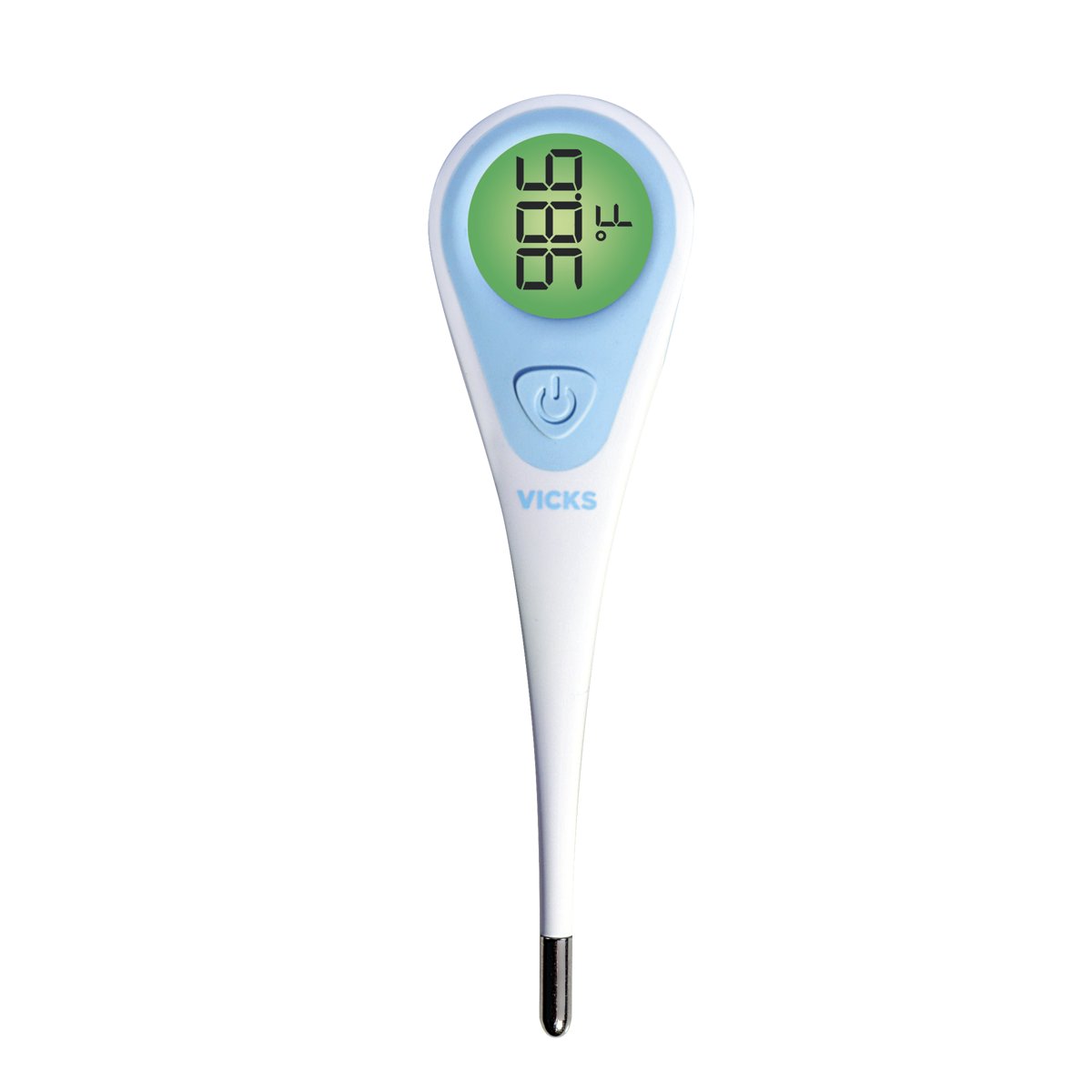
Digital thermometer
- 8 sec readings, per Vicks
- Oral, rectal or underarm use, per Vicks
When someone is sick and the clinic is far away, the thermometer decides what happens next.
When someone in the house runs a fever, the first question is whether it is time to call for help. The answer depends on two things: the number on the thermometer and the age of the person. The American Academy of Pediatrics and the Red Cross draw the lines:
You cannot follow any of that without a thermometer you trust. The Red Cross puts a non-mercury, non-glass thermometer in every home kit; keep two, so one is always where you need it.
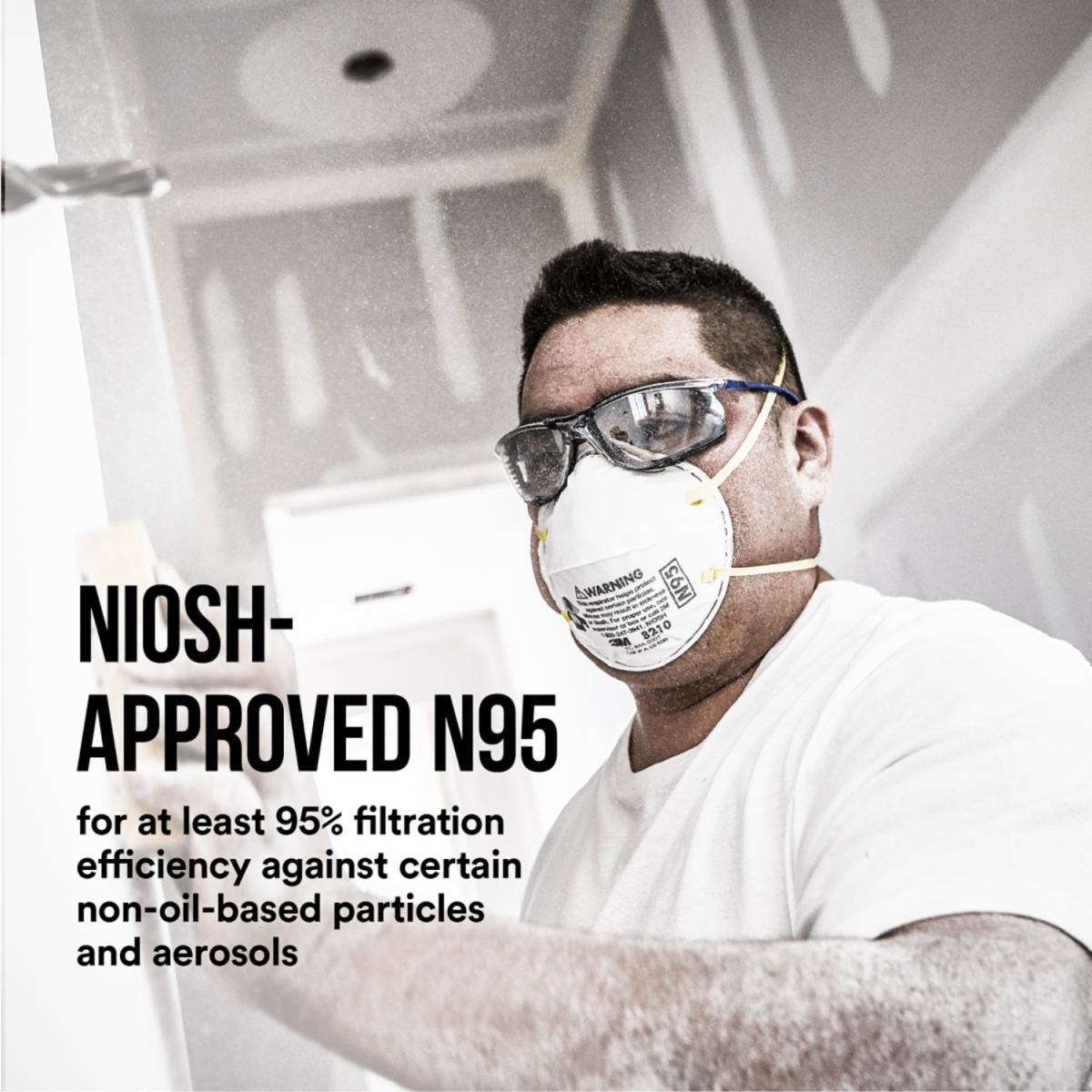
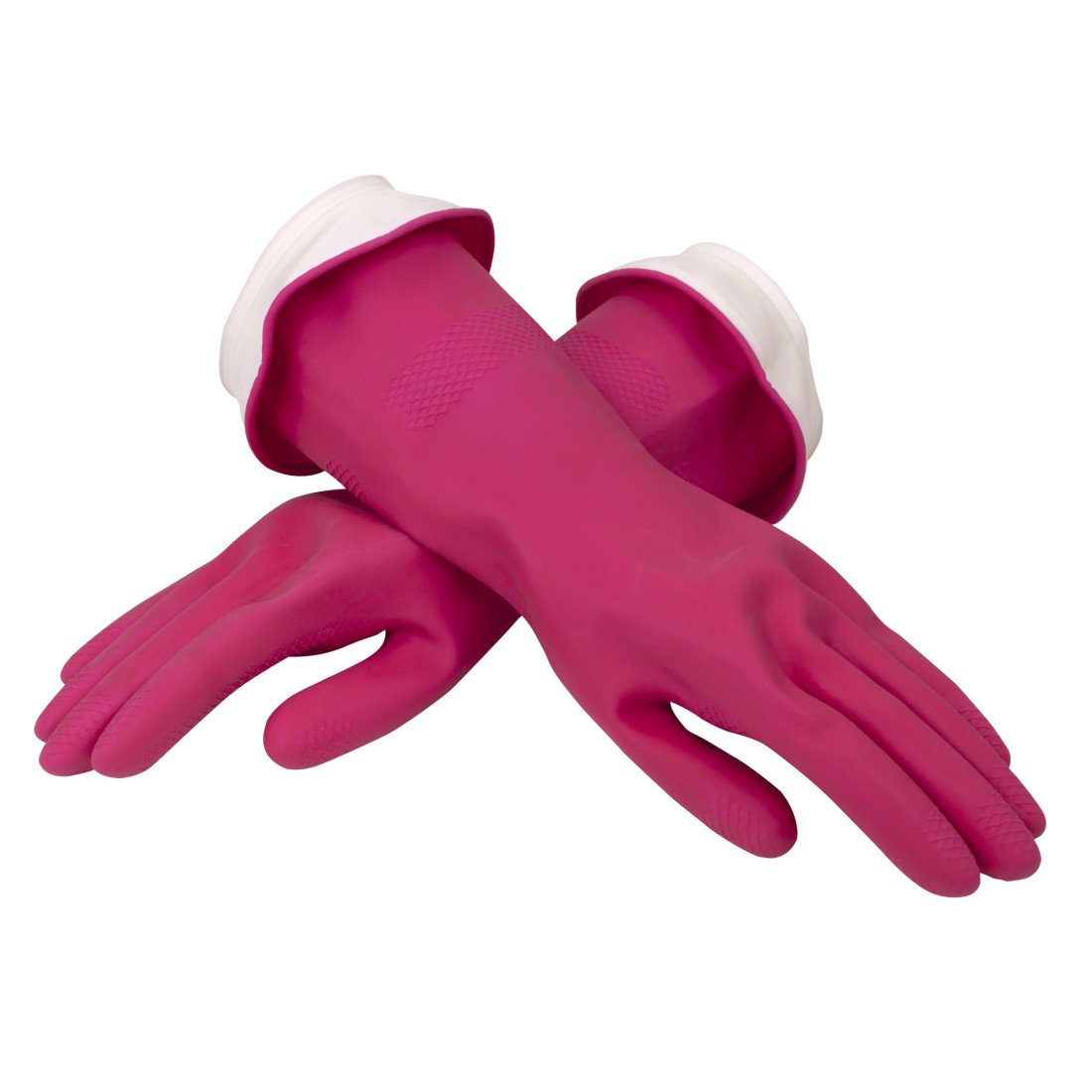
Then protect everyone else in the house. Wear rubber or disposable gloves to clean up after a sick person, and keep a box of N95 respirators in the house: we count one box per household as the minimum, for smoke and ash as much as for illness.