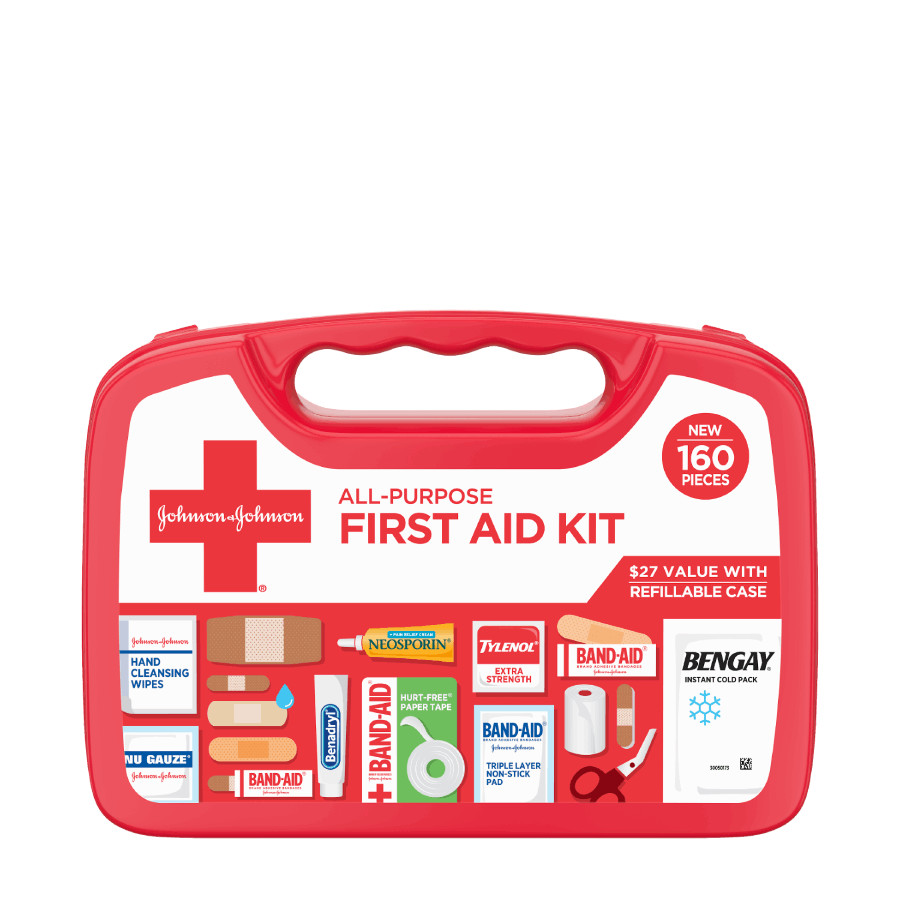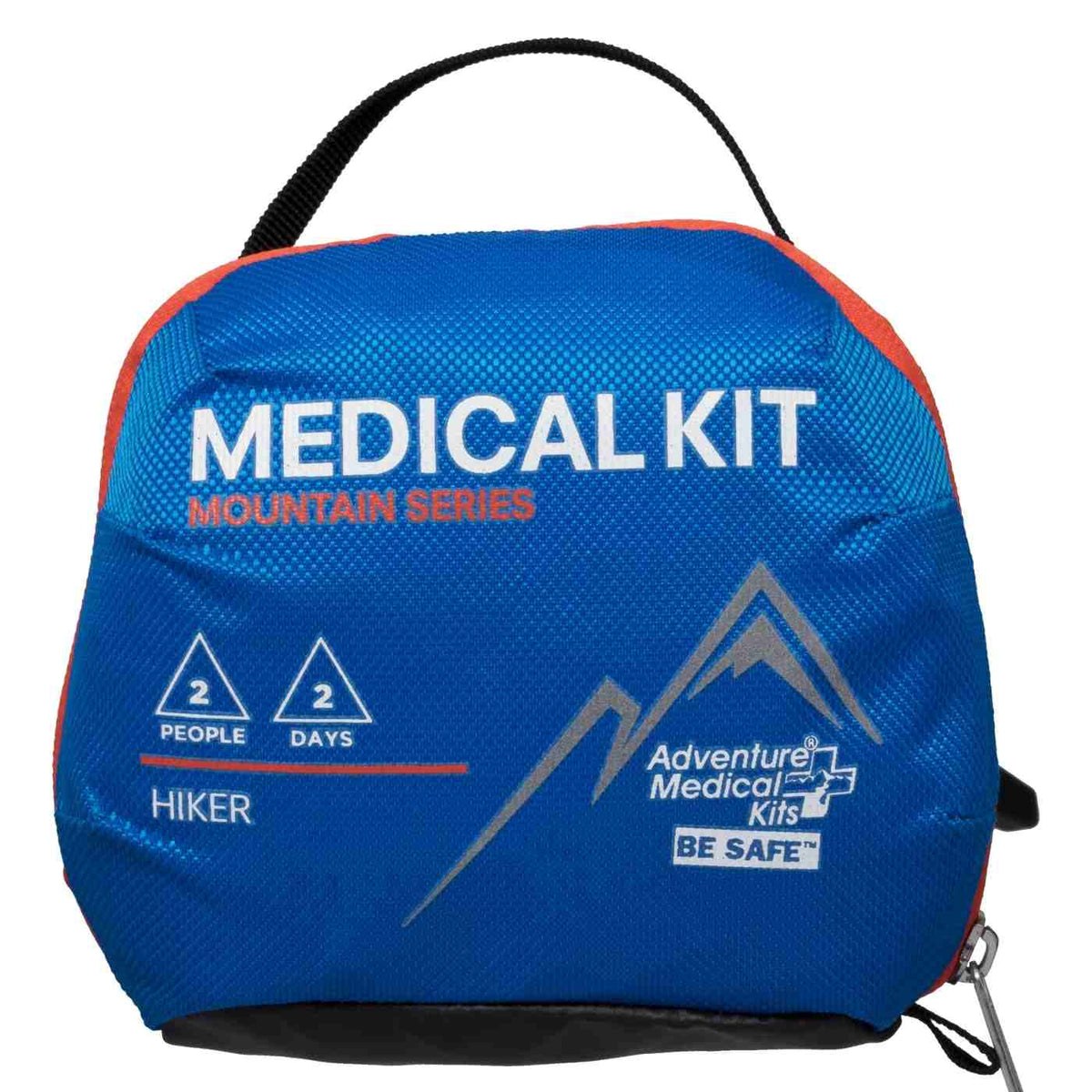
Adventure Medical Kits Mountain Series Medical Kit, Hiker
- 2 people for up to 2 days, per Adventure Medical Kits
- By injury labeled pockets for wounds, blisters and medication
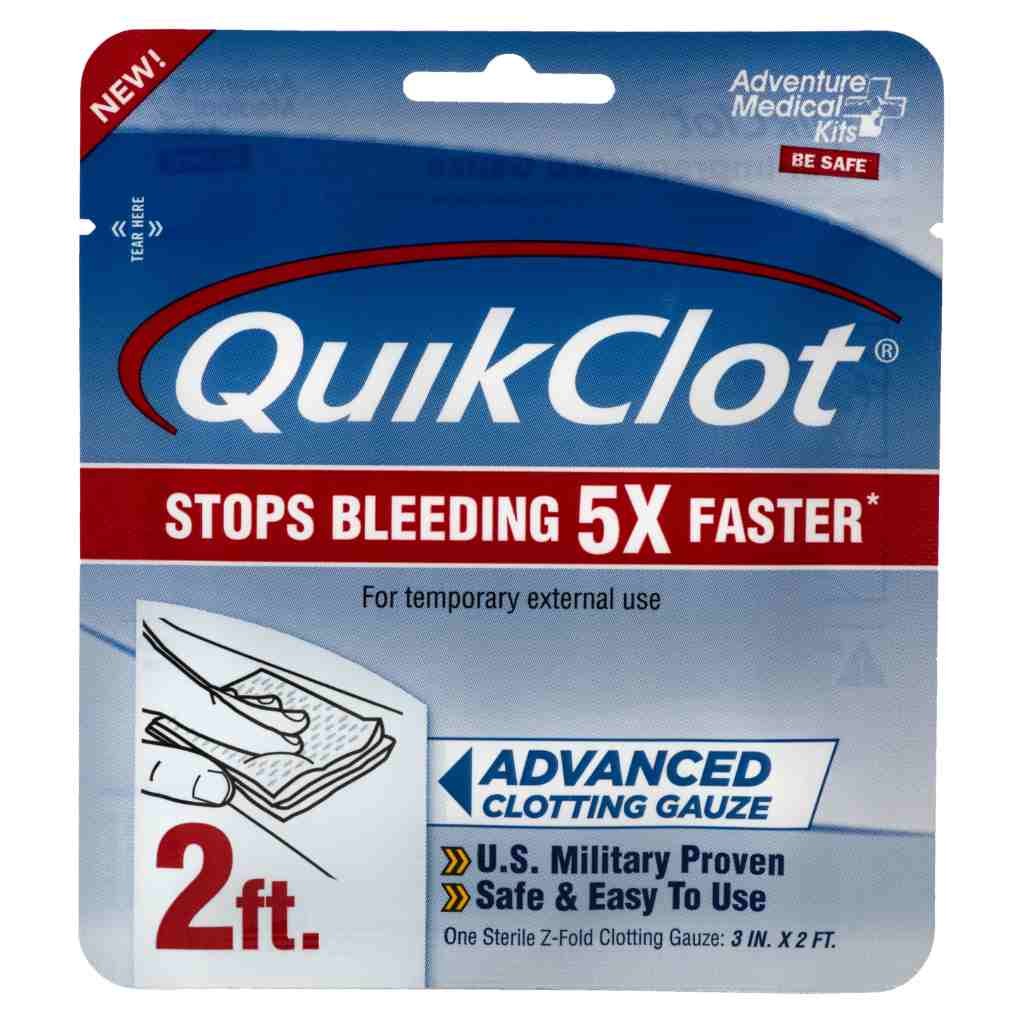
Bleeding kills in minutes and infection kills in days. These are the tools for both, and for the break in between.
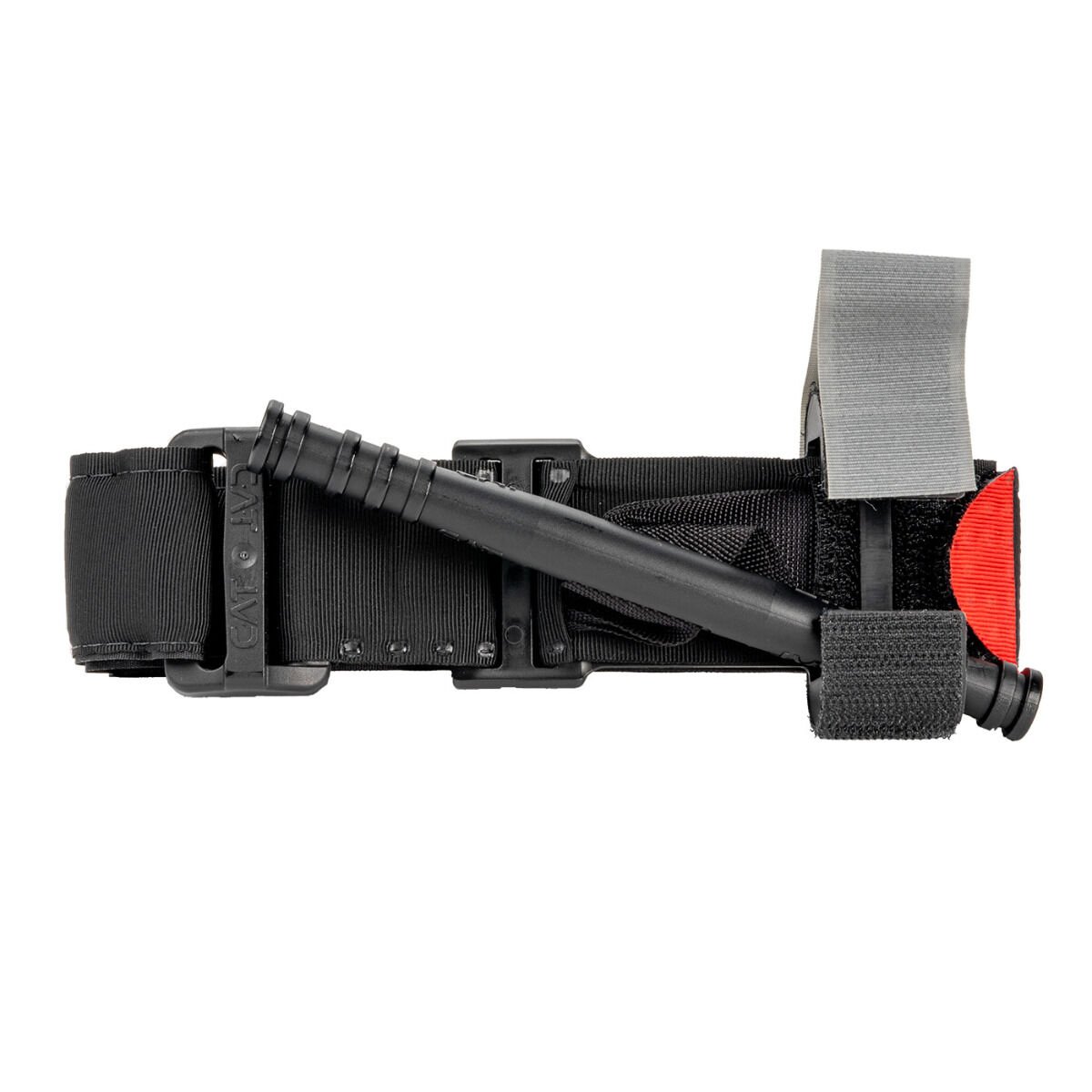
Stop the Bleed puts it plainly: bleeding is the number one cause of preventable death after injury. When help is far away, the person standing next to the injured one is the help. Direct pressure comes first; for bleeding from an arm or a leg that pressure does not stop, the official courses teach a windlass tourniquet: wrap, wind, secure and note the time. Buy a genuine one from the maker's store and take a Stop the Bleed or Red Cross class before you need it.
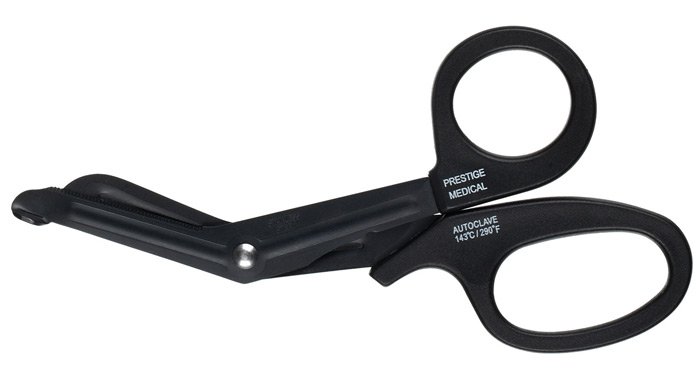
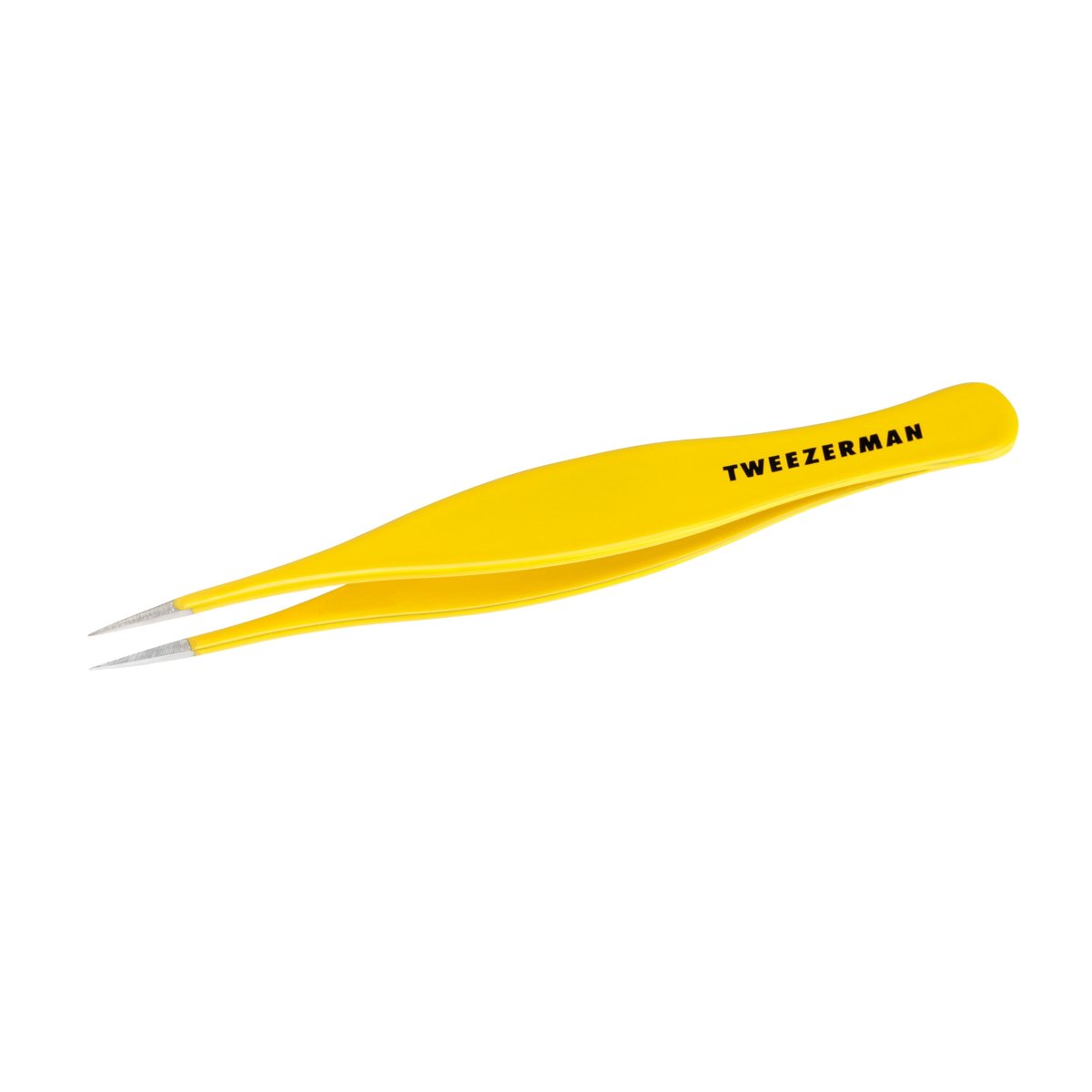
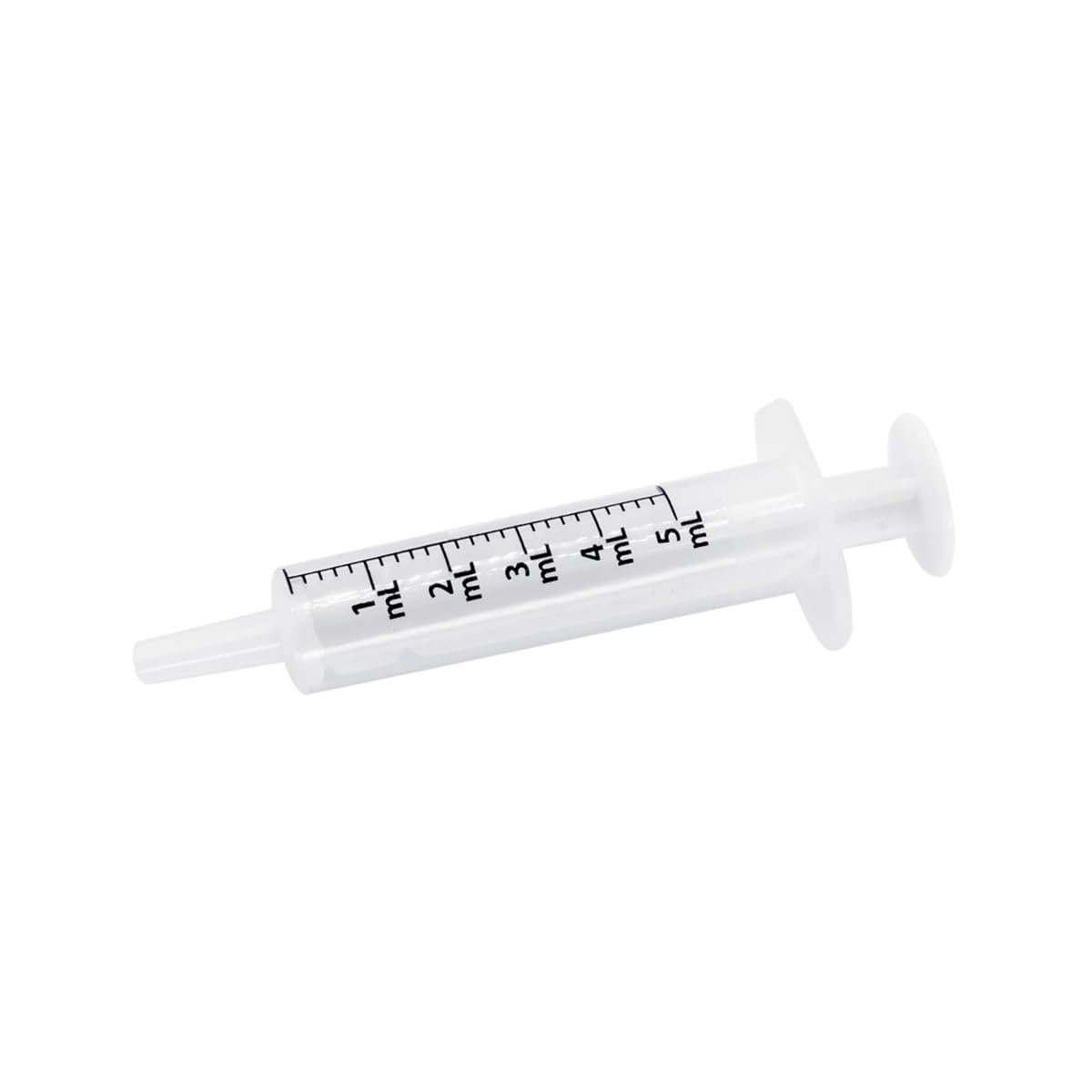
Then the wound has to be cleaned, because infection is what kills in the days after. The experts call for a lot of flowing clean water, 1 to 4 liters, squirted into the wound with a syringe without a needle so it has force, and dirt and grit picked out with clean fine-point tweezers. Trauma shears cut clothing away from an injury in seconds without cutting the person.
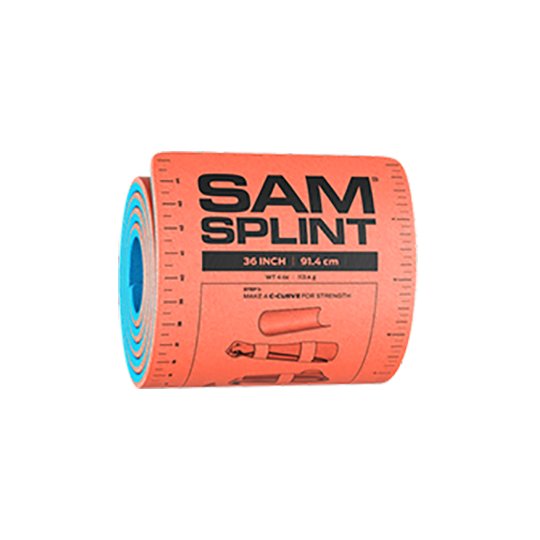
For a break or a bad sprain, a moldable splint keeps the broken ends from moving. The Red Cross rule is to splint the limb in the position you find it and to cross the joint above and below the injury. And oral syringes measure children's liquid medicine in milliliters, never with a kitchen spoon.