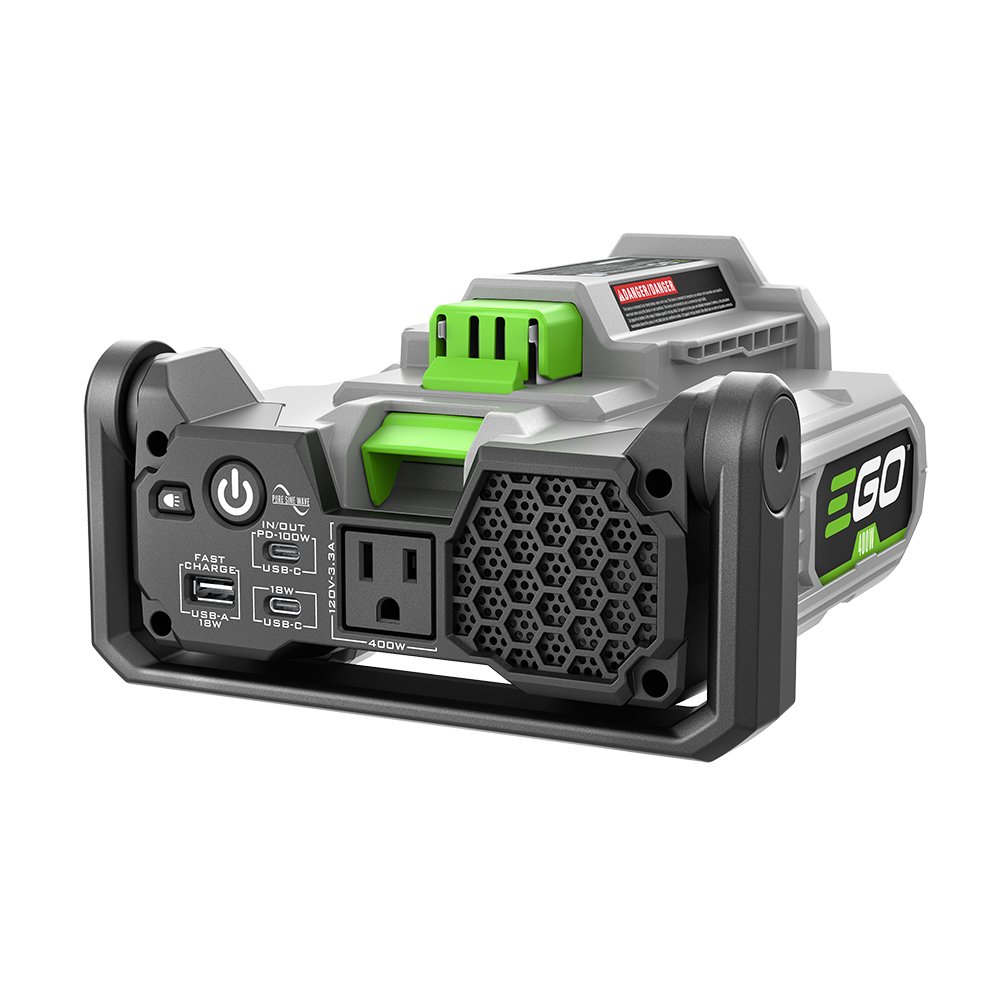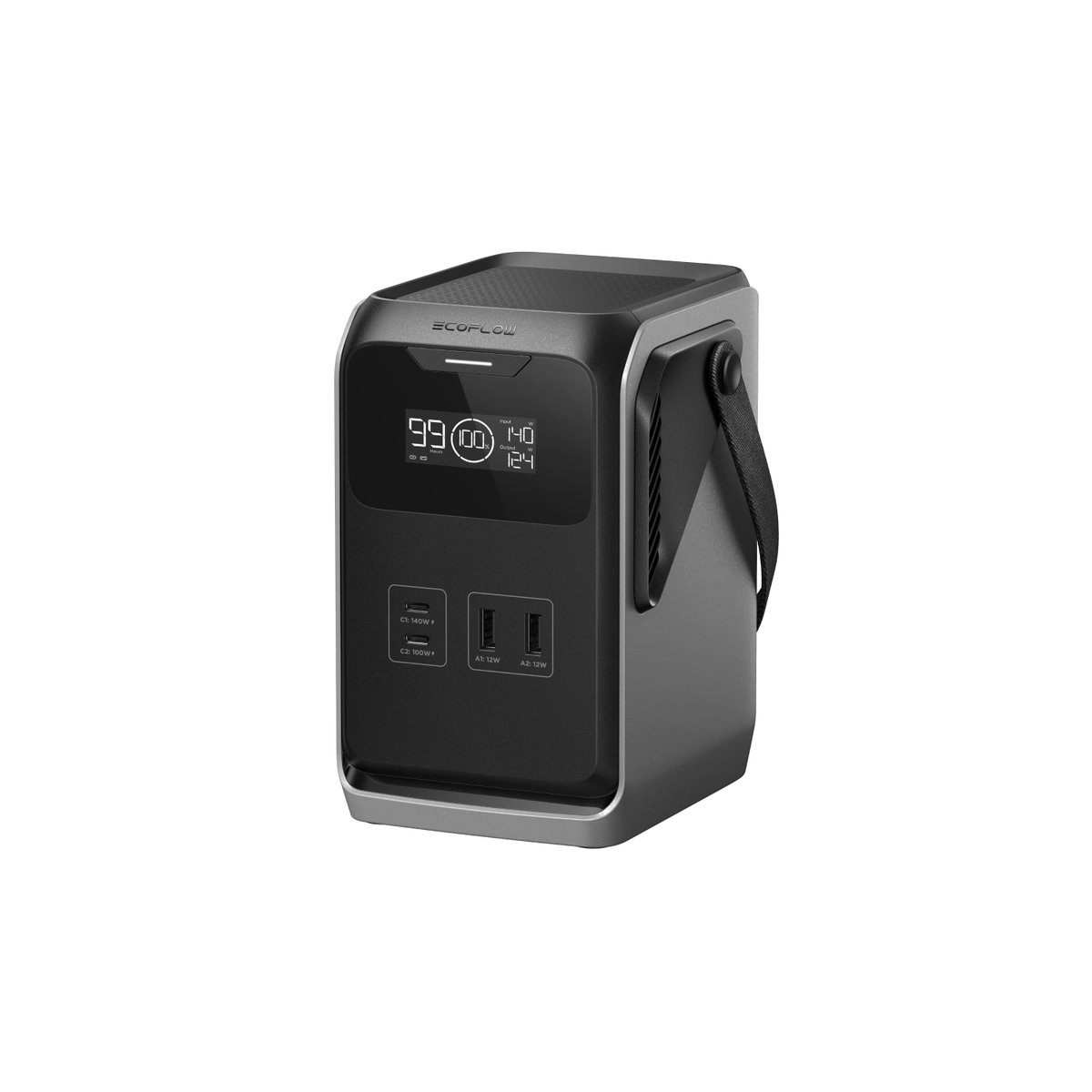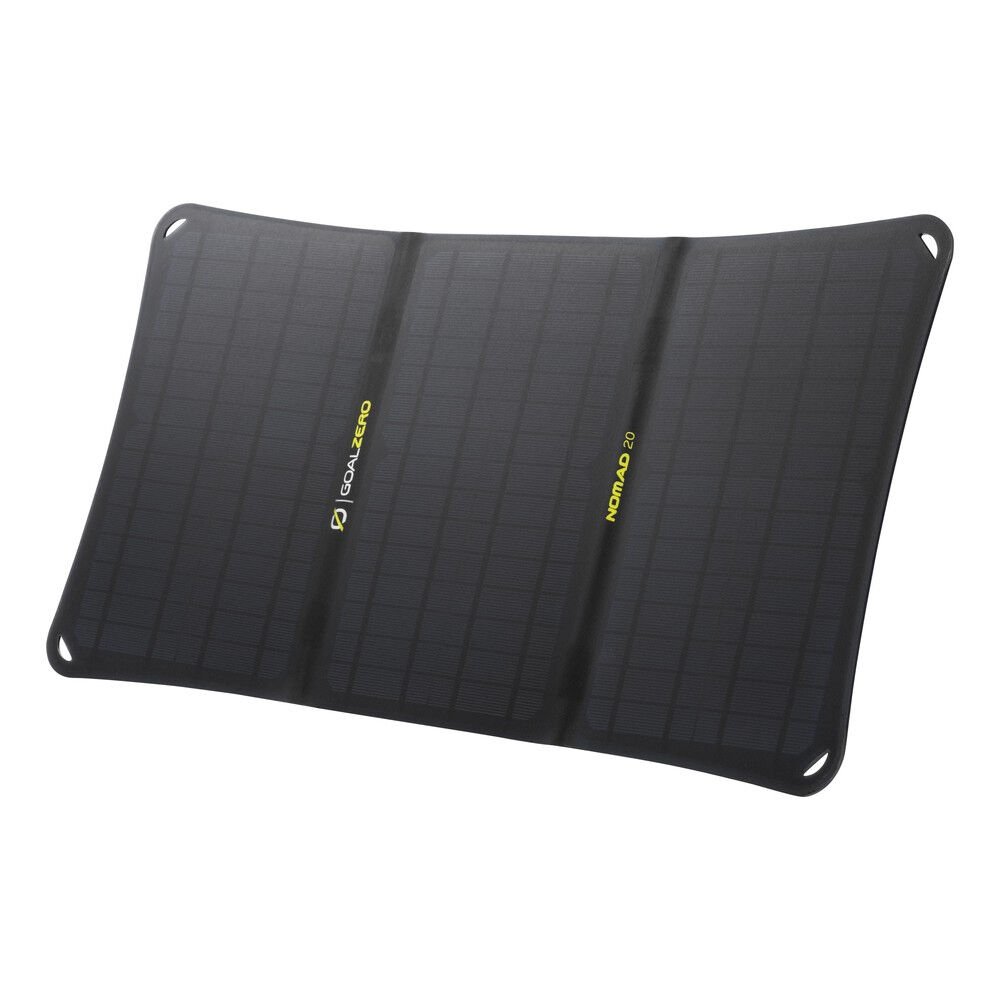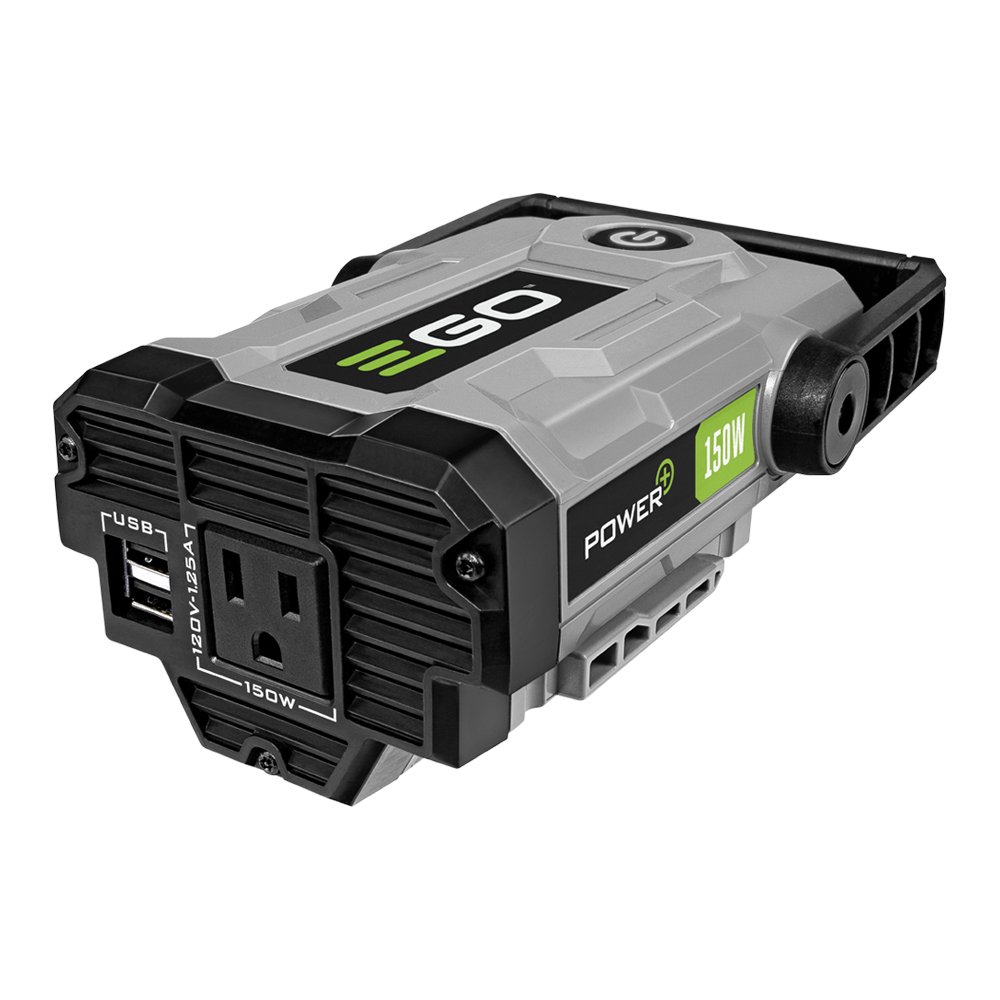
EGO Nexus Escape 150 W inverter
- 150 W maximum AC output, per EGO
- 5 years limited warranty, per EGO
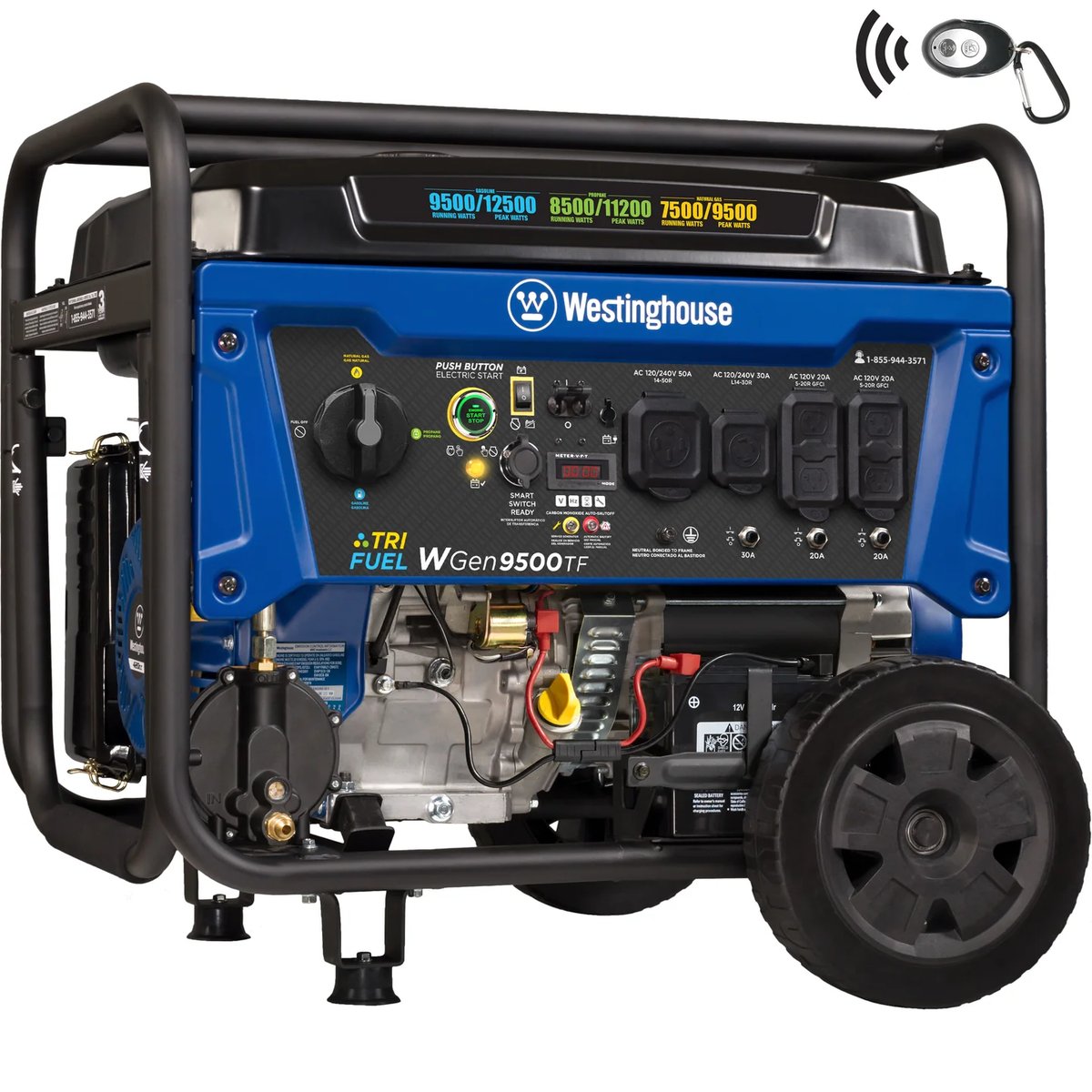
When the grid goes dark, the question is what you can keep running, and how to do it without the generator killing anyone.
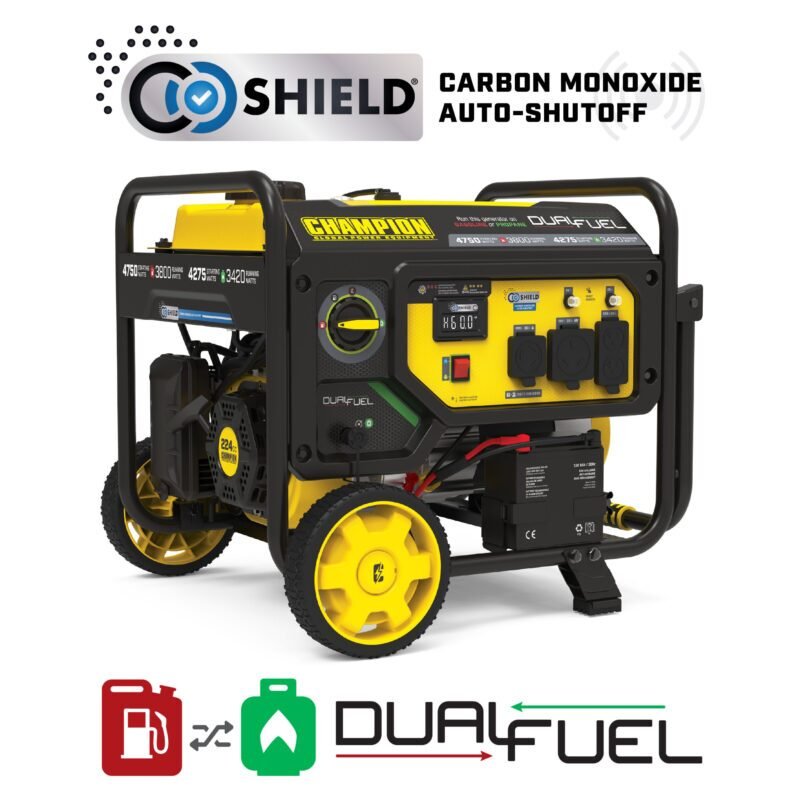
Power outages are when people die of the cure. Put bluntly: a portable generator kills more people in a bad outage than the storm did, nearly all of them by carbon monoxide, with the generator in the garage, the basement or just outside a window. CPSC counts more than 80 deaths a year in the United States from portable generators alone.
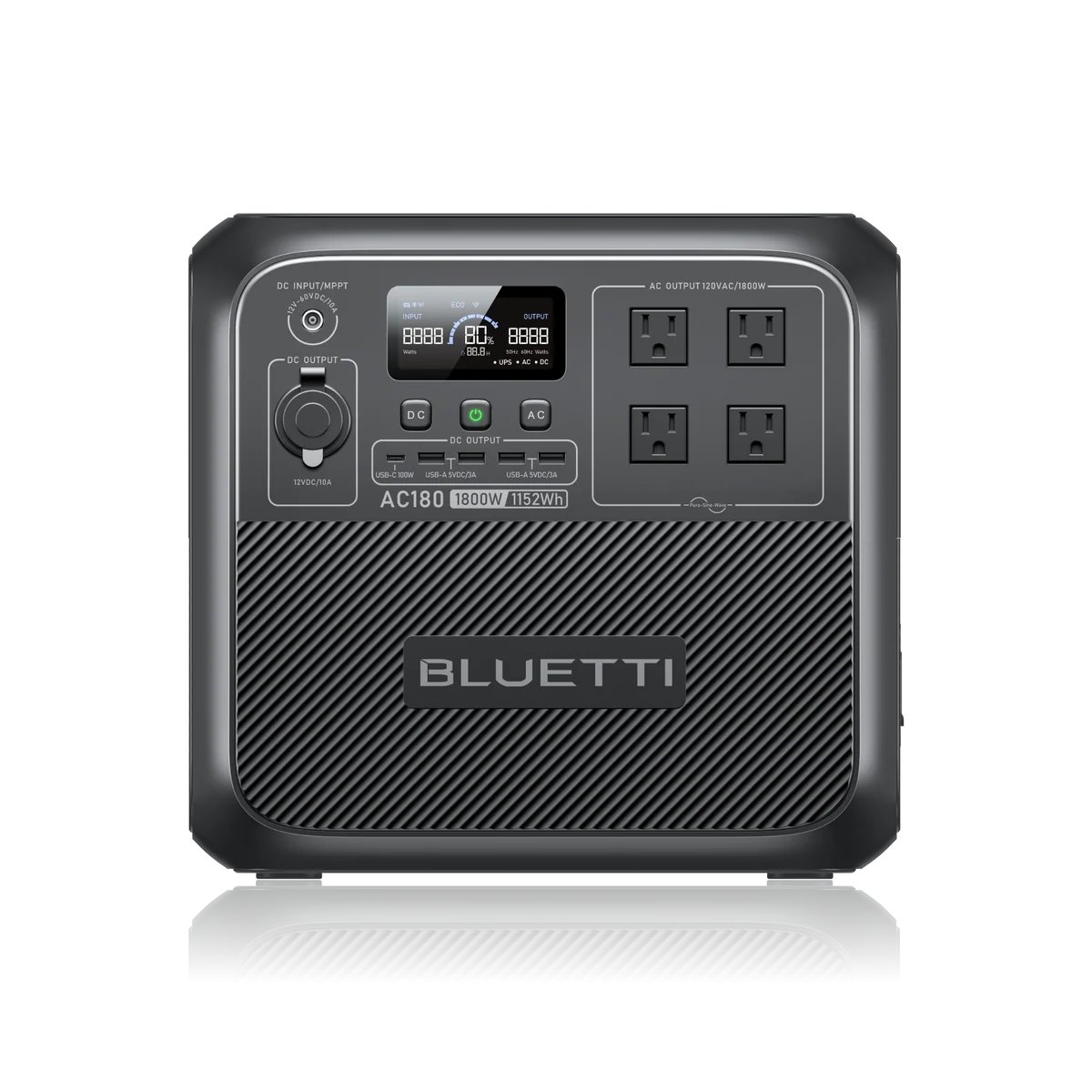
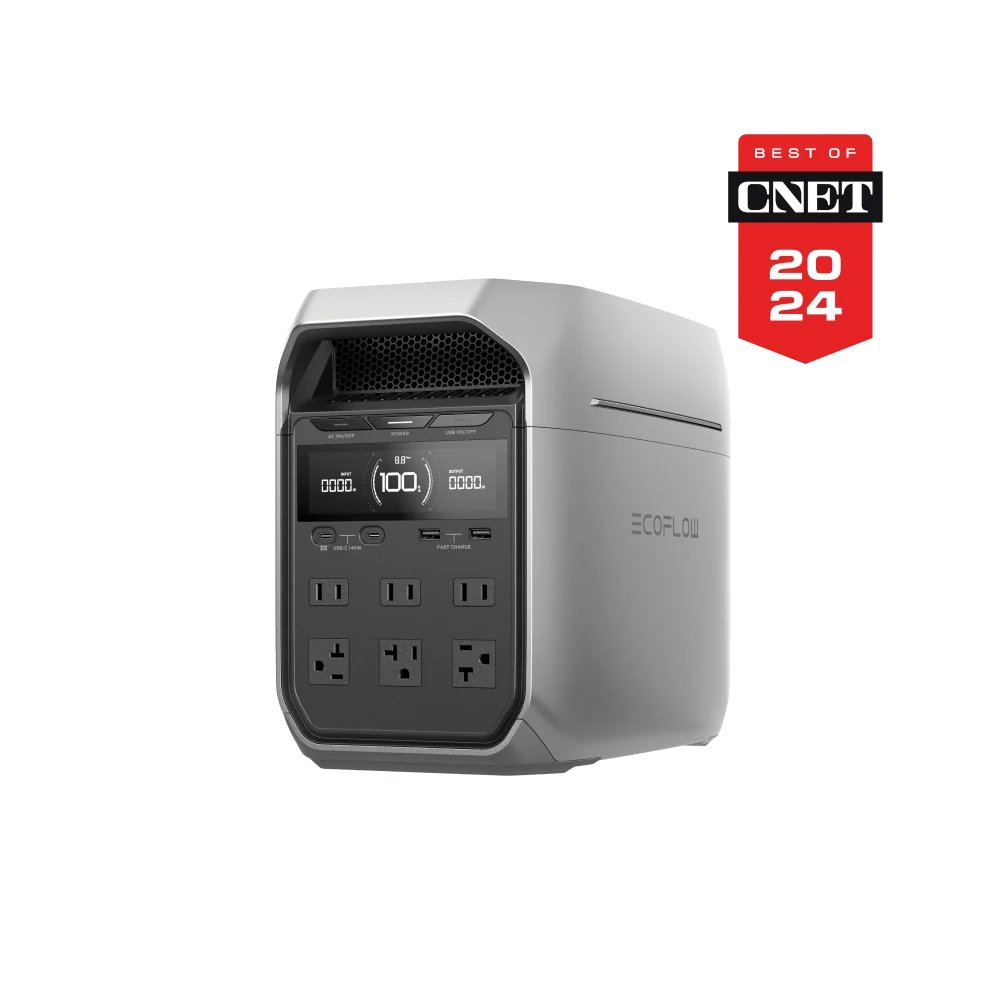
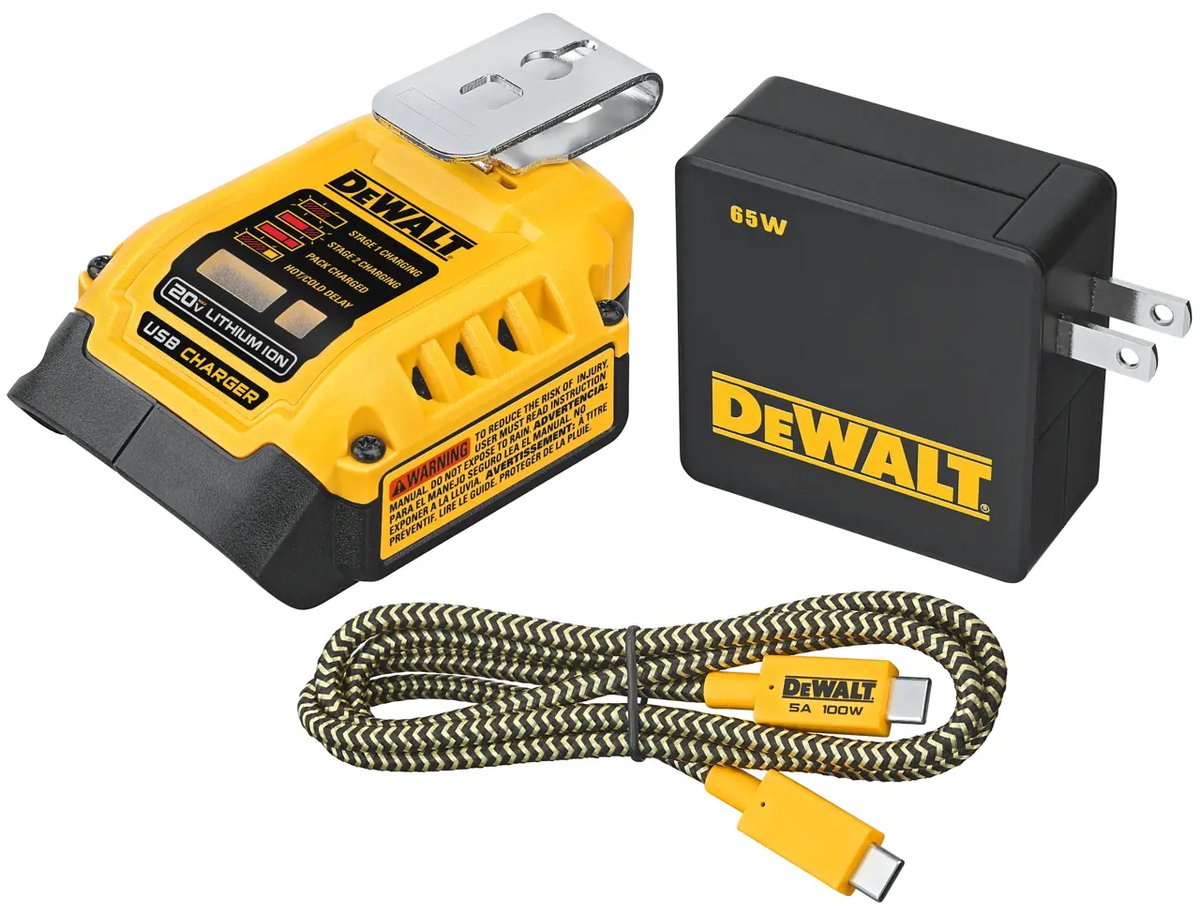
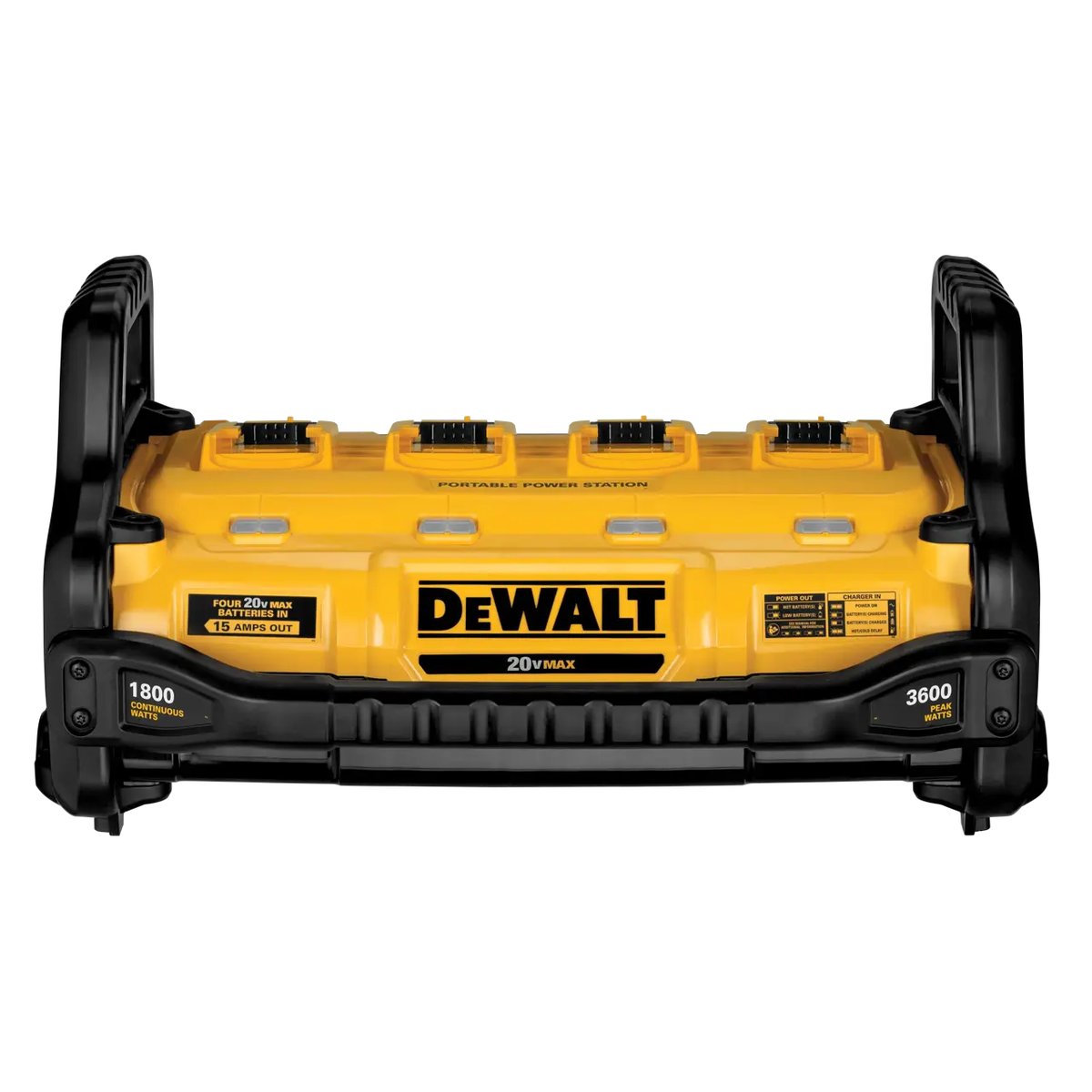
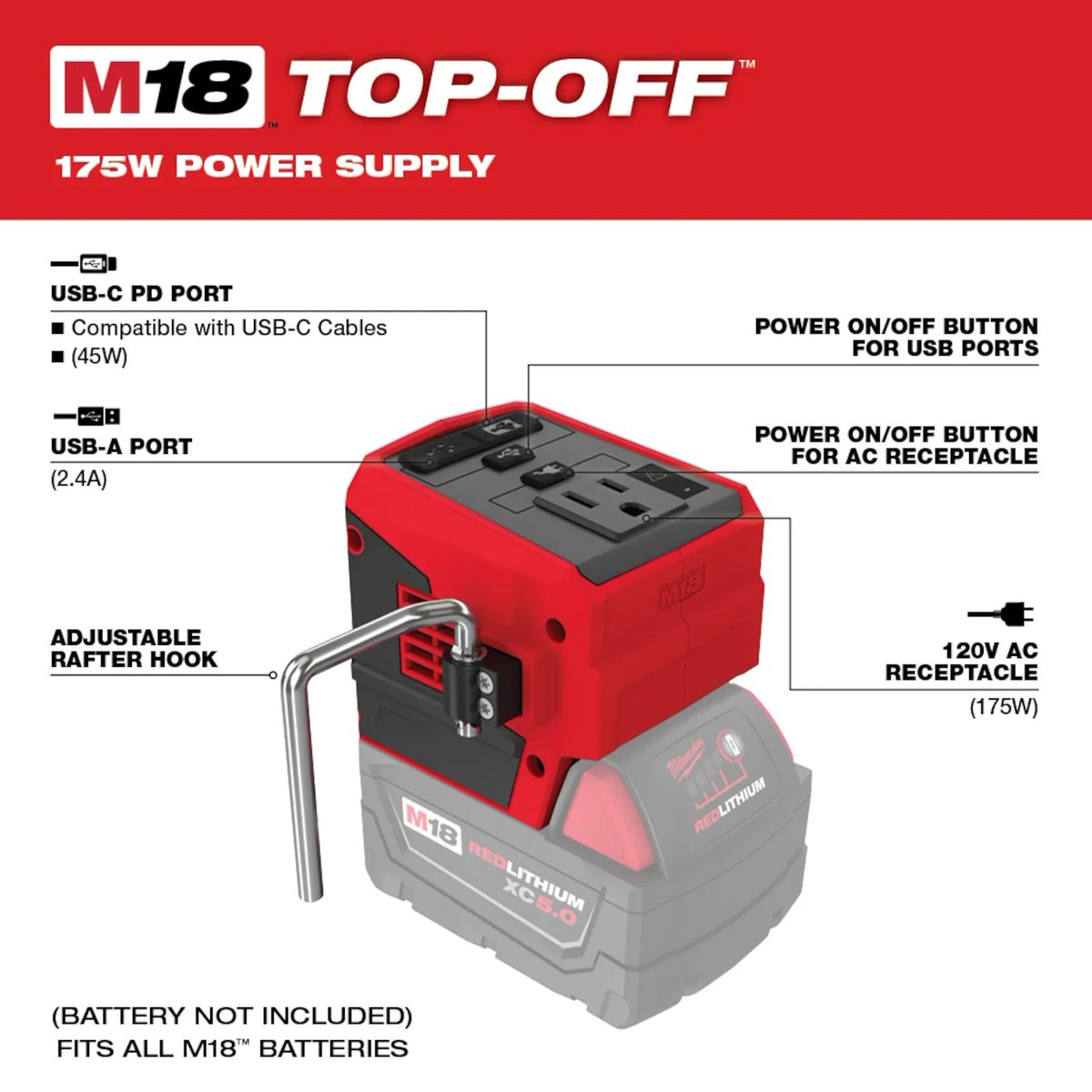
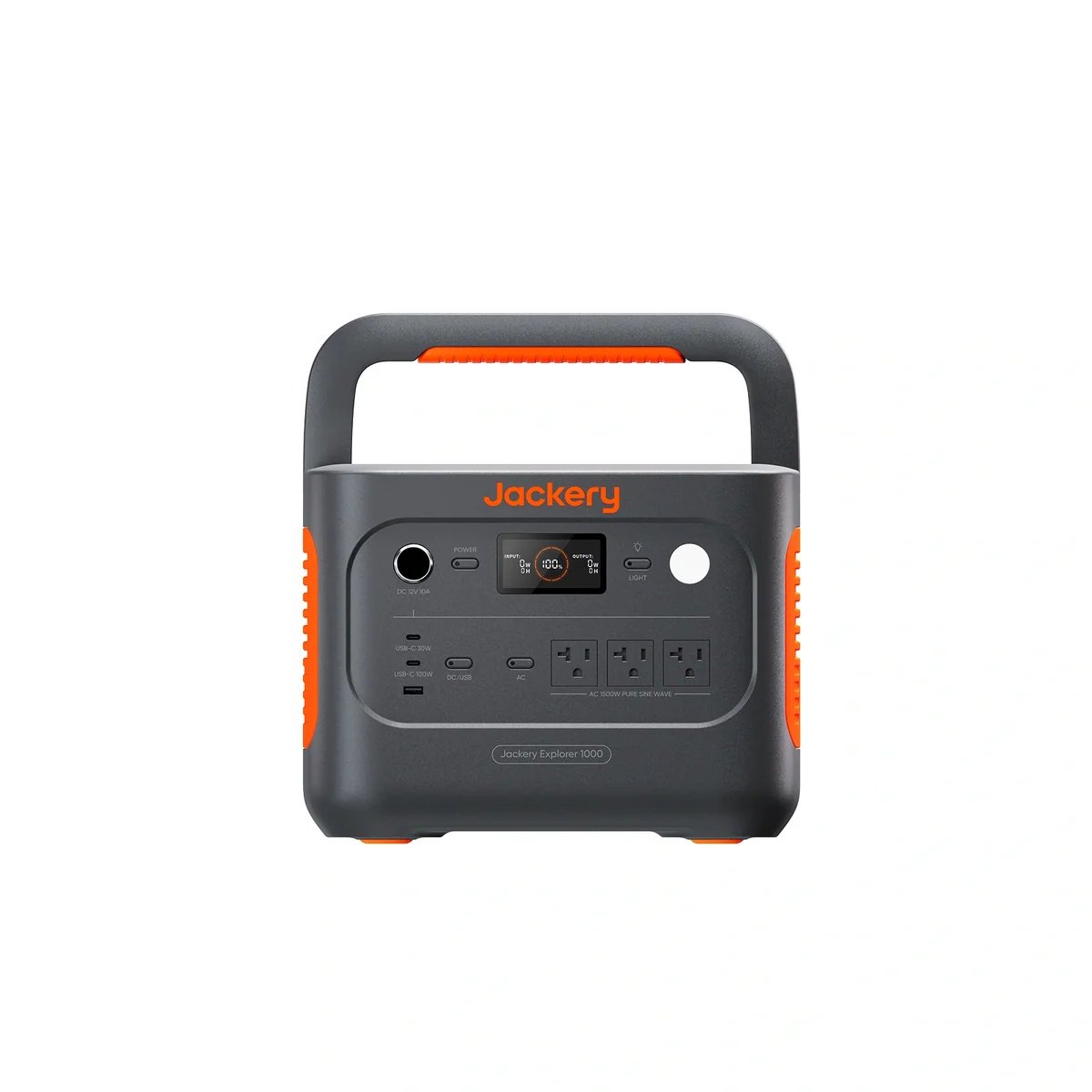
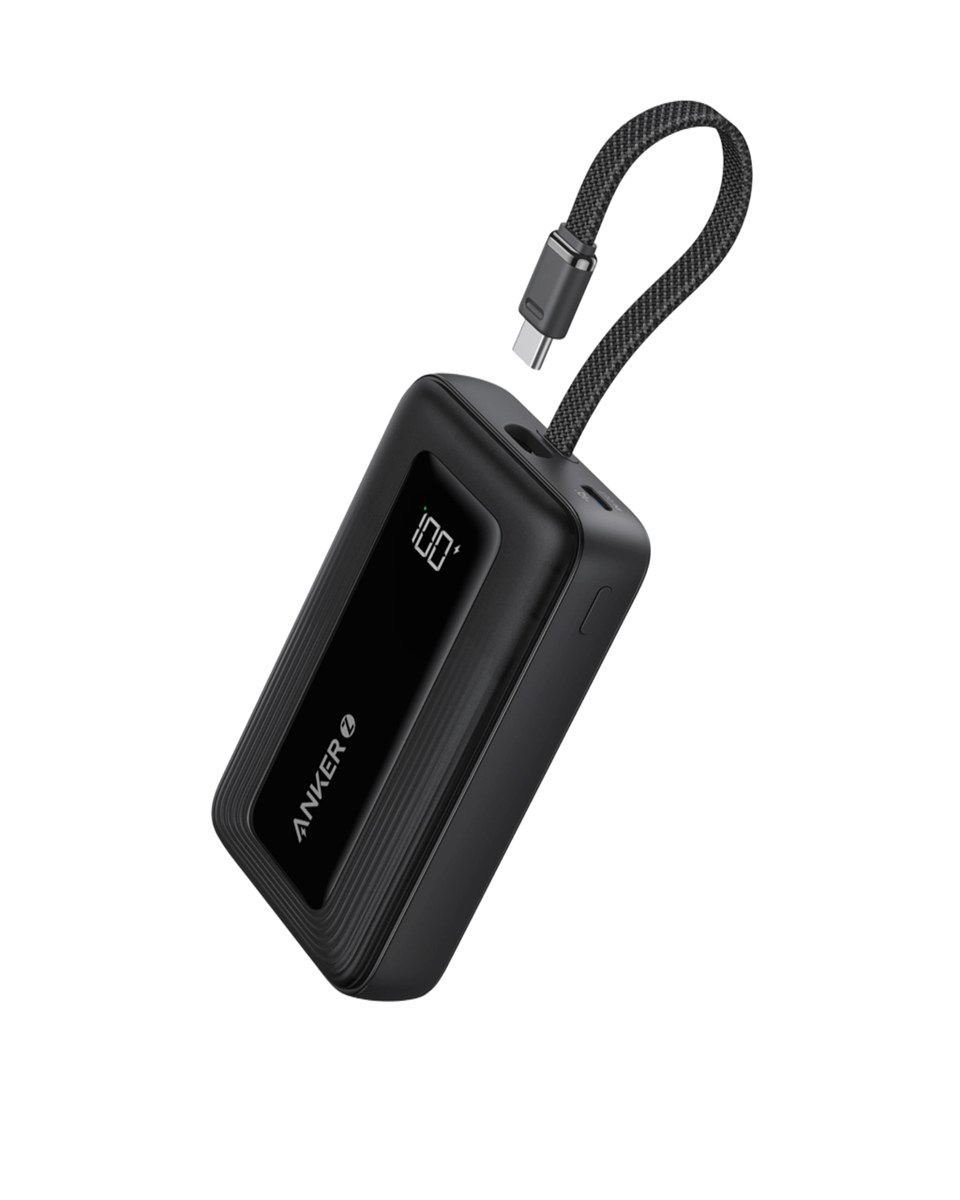
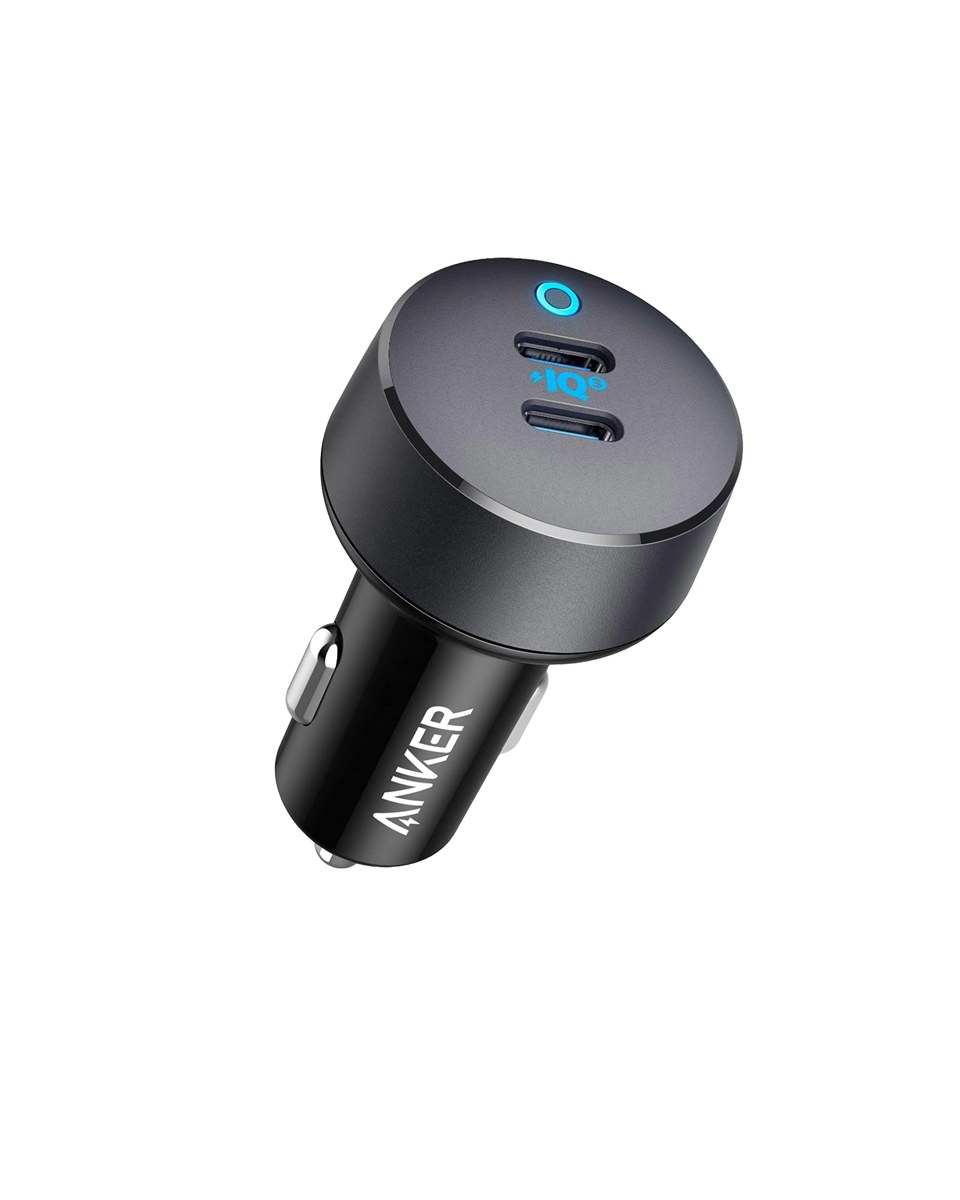
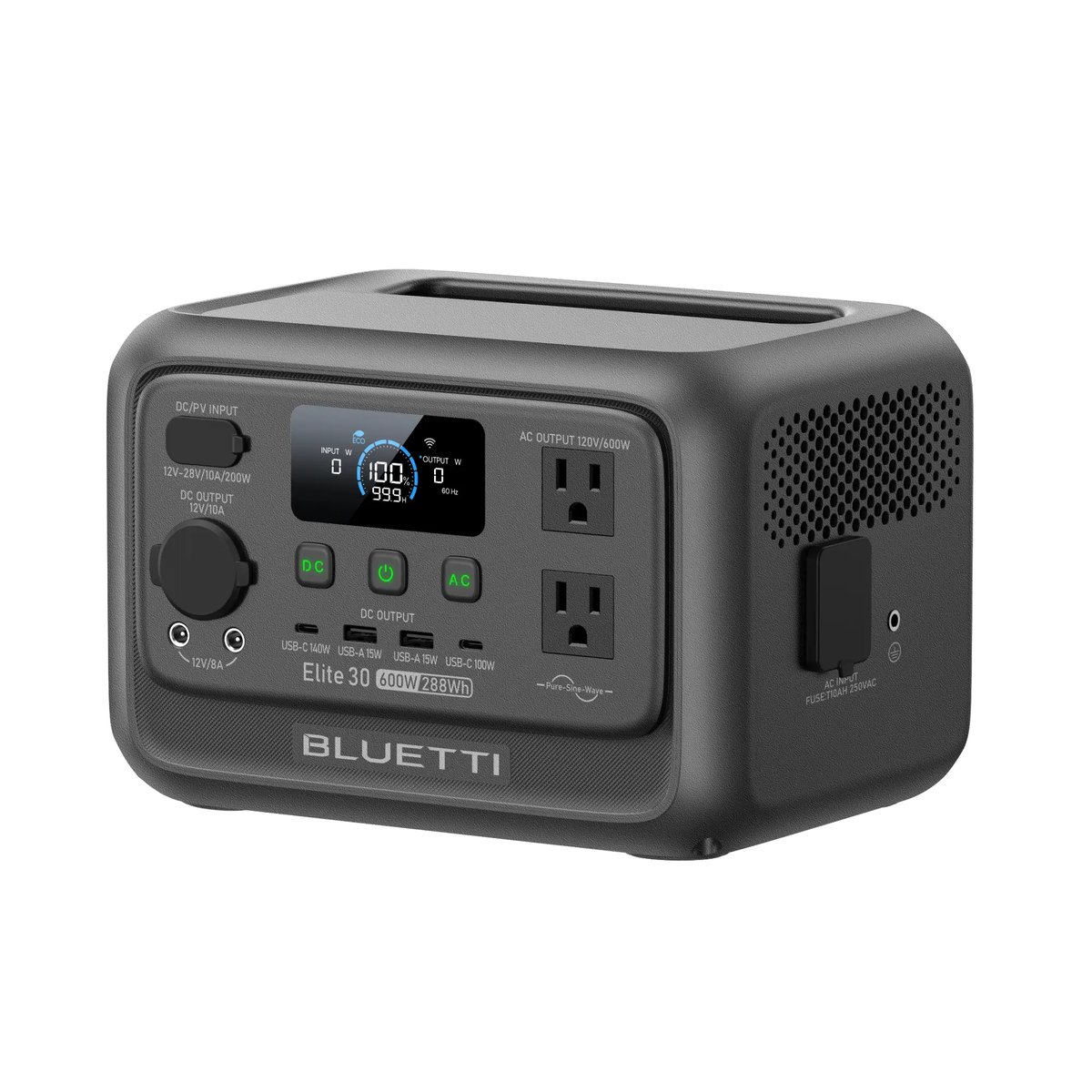
So the gear comes in three sizes, and each has a rule:
Never backfeed the house. OSHA: never plug a generator into a wall or dryer outlet. It can kill the lineworker restoring your power. Connecting to the house wiring takes a transfer switch installed by a licensed electrician.