Prepared, not scared.

Most emergencies are ordinary: a storm, a long outage, a week when the shelves are empty. A household with water, food and light already on hand rides it out at home. We show what to keep, why it matters and where to buy it, one video at a time.

Start with waterWatch the videos

New to preparing? Start here

  1. First preps: the 6 things to get first ›
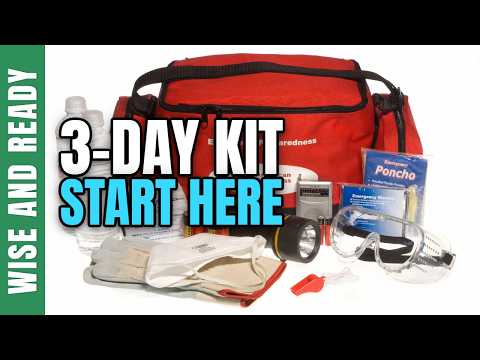
  2. The 3-day emergency kit, in the order of the video ›

Shop by need

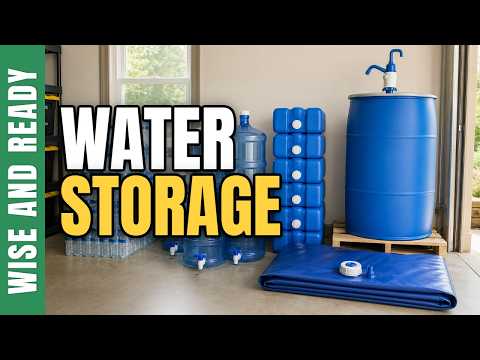
  • Water storageWhen the taps stop, the water you stored is the water you have.
  • Water treatmentStored water you can trust, and a way to make the rest of it safe.
  • Non-perishable foodWhen the stores are empty and the power is out, the food already on your shelf is the only food you have.
  • Freeze-dried foodReal meals that keep for decades and weigh almost nothing. Just add water.
  • Lights and batteriesWhen the lights go out, a light in every hand. Battery LEDs first; flames are only the backup.
  • Food safetyWhen the power fails, the clock starts on everything in the fridge. Know the numbers, and have a thermometer that tells you.
  • Sick at home: thermometer and masksWhen someone is sick and the clinic is far away, the thermometer decides what happens next.
  • Cooking without powerThe power is out and the range is dead. You still need to boil water and cook a hot meal: here is the stove that brings its own fuel.
  • Home canningA summer garden on the shelf all winter, no freezer and no power bill. Canning does it, when you follow the tested recipe.
  • Kitchen tools that need no powerEvery gadget on your counter dies with the power. These kitchen tools never needed it.
  • Backup powerWhen the grid goes dark, the question is what you can keep running, and how to do it without the generator killing anyone.
  • Heating without powerWhen the furnace quits in a cold snap, you heat one room, safely. Here is the gear that does it.
  • Fuel and fuel storageStored fuel is stored heat, light and cooking. Kept wrong, it is the most dangerous thing in the house.
  • First aidBleeding kills in minutes and infection kills in days. These are the tools for both, and for the break in between.
  • Sanitation and hygieneWhen the water stops, the toilet stops. A plan for waste, clean hands and the rats is what keeps a household well.
  • Radios and communicationWhen the phones go down, you still need three things: the news, a way to reach your family, and a way to be found. This is the gear for all three.
  • Smoke, CO and fire safetySmoke you might smell. Carbon monoxide you never will. An alarm on every level, and an extinguisher on the way out.
  • Home securityKnow before they reach the door. Early warning is the cheapest security there is.
  • Shelter and staying warmWhen the furnace quits in a winter storm, the goal is not a warm house. It is warm people, in one room, until the power comes back.
  • Fire startingFire is heat, light, a hot meal and safe water. Carry three ways to start one, and the easy ones first.
  • Tools and repairsWhen the power goes out and the storm has passed, the fixing is yours. FEMA's kit starts with one tool: a wrench to turn off the utilities.
  • Growing your own foodStored food runs out. A garden comes back every year. These are the tools that make it feed you.
  • Staying cool in a heat waveA summer outage is two emergencies: the house heats up and the food spoils twice as fast. Keep both cold.
  • Radiation emergenciesIn a radiation emergency the official advice is short: get inside, stay inside and stay tuned. The gear starts there.
  • Emergency radiosWhen the power, the phones and the internet go down, a radio that only listens still brings you the news and the warnings.
  • Two-way radiosWhen the cell network is down, a two-way radio is how your family finds each other.
  • Papers and cash at homeWhen the bank's app is down and the card says "declined", the cash and the papers at home are what still work.
  • Pet emergency suppliesIf you are told to leave, the animals leave with you. Have the carrier, the leash and the food ready before the knock on the door.
  • BooksWhen the internet is down, the answer has to be on your shelf. These are the books worth owning.
  • Go-bags and evacuationWhen the order is to leave now, you have minutes. Pack one bag per person tonight and leave it by the door.
  • Car emergency kitStuck on a dark road in the cold, the car is your shelter. What you packed in the trunk decides how long you can wait.
  • Navigation and signalingPhones die, towers go down and GPS needs a battery. A compass, a paper map and a way to call for help never do.
  • Grain and bakingWheat berries keep for decades and flour goes stale in months. Store the grain, mill it fresh, and bake your own bread.