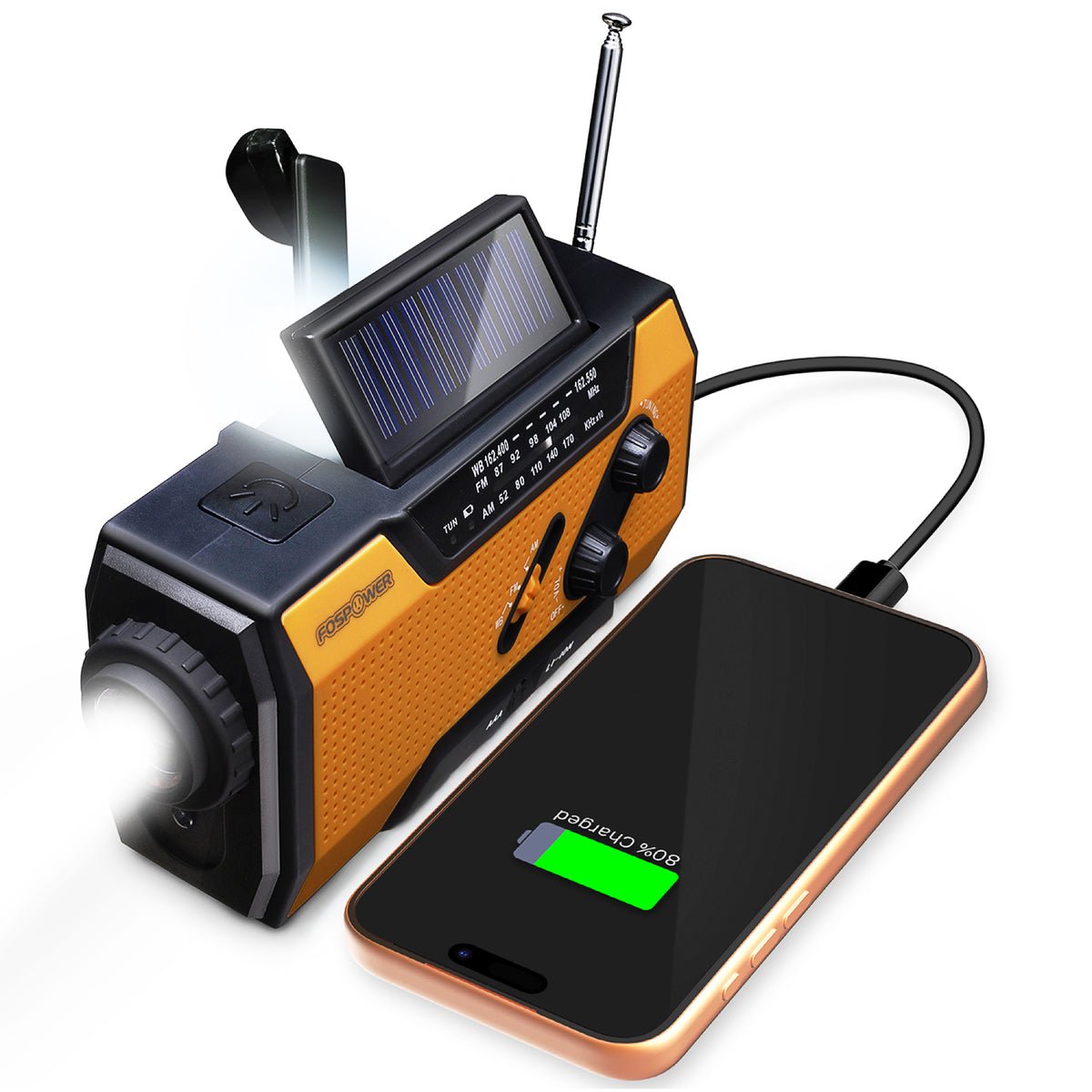
FosPower A1 emergency crank weather radio
- 4 ways to power it, by USB, solar, crank or AAA cells
When the phones go down, you still need three things: the news, a way to reach your family, and a way to be found. This is the gear for all three.
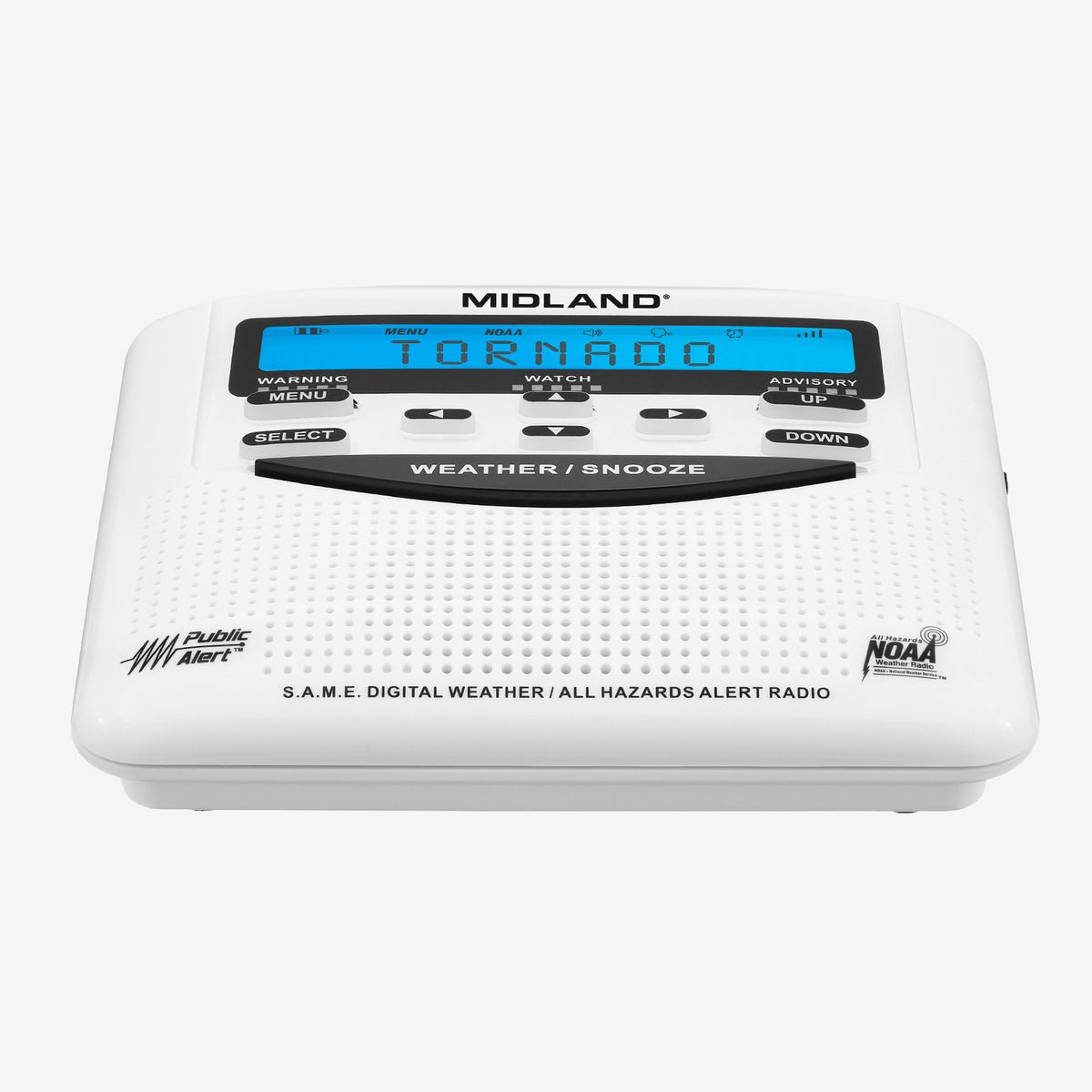
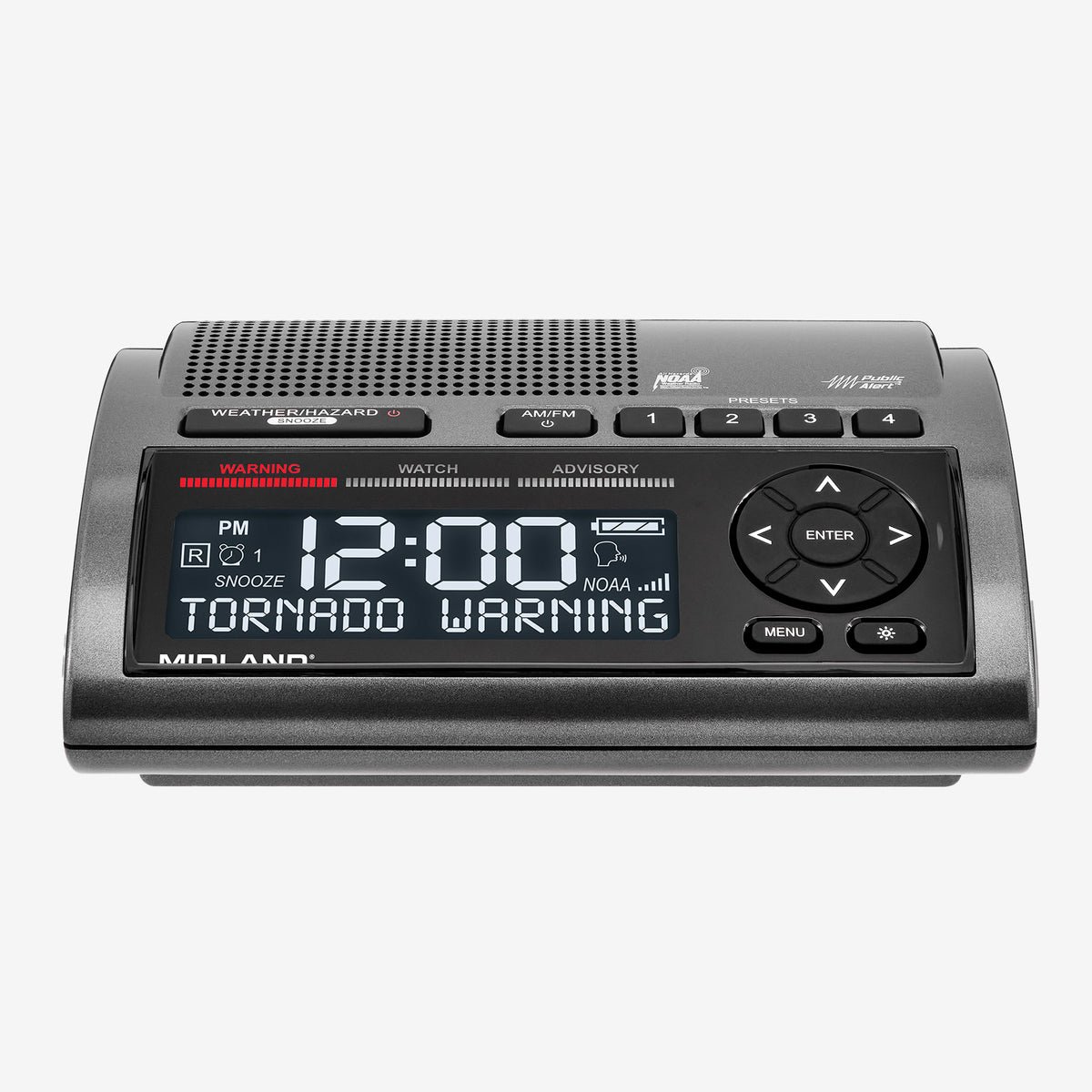
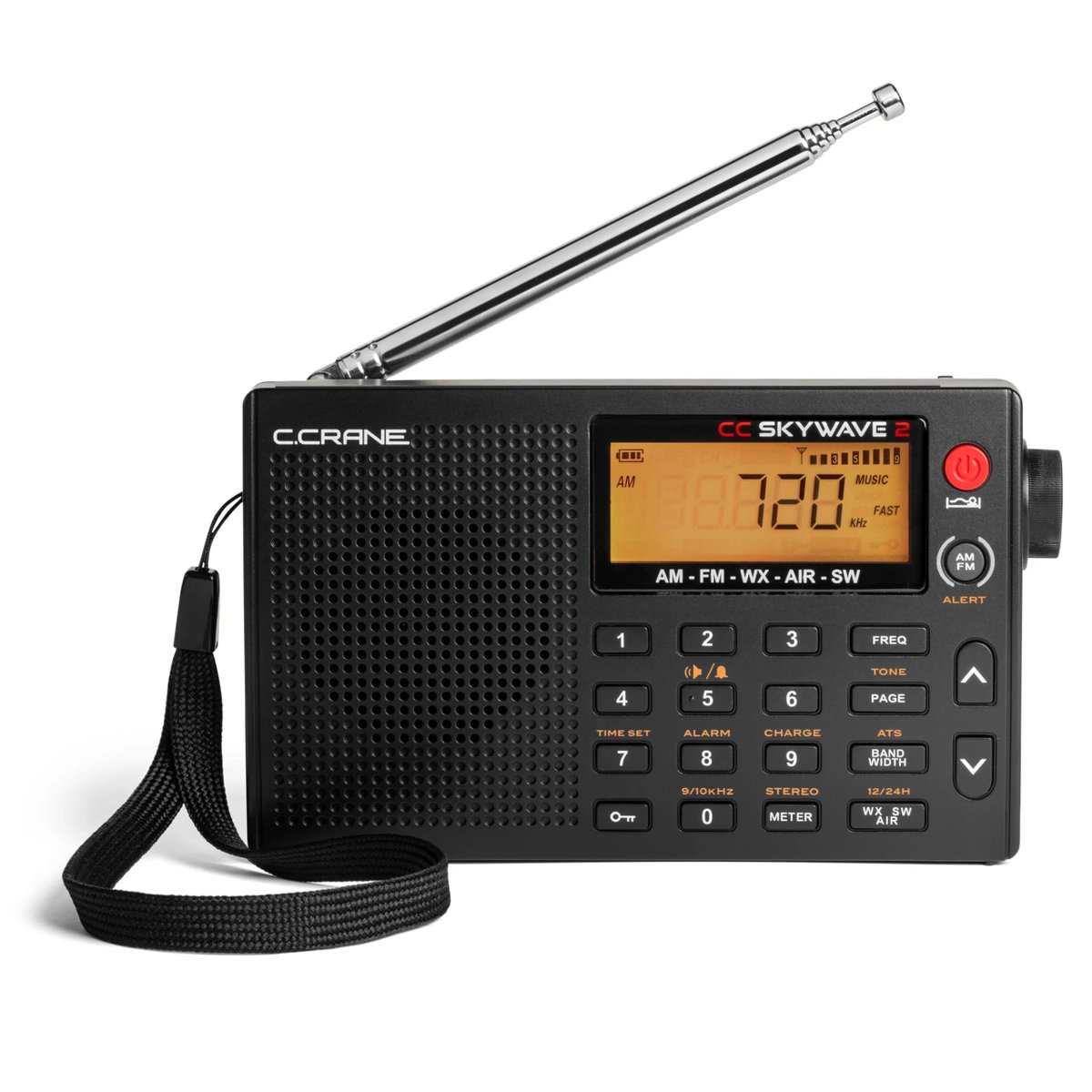
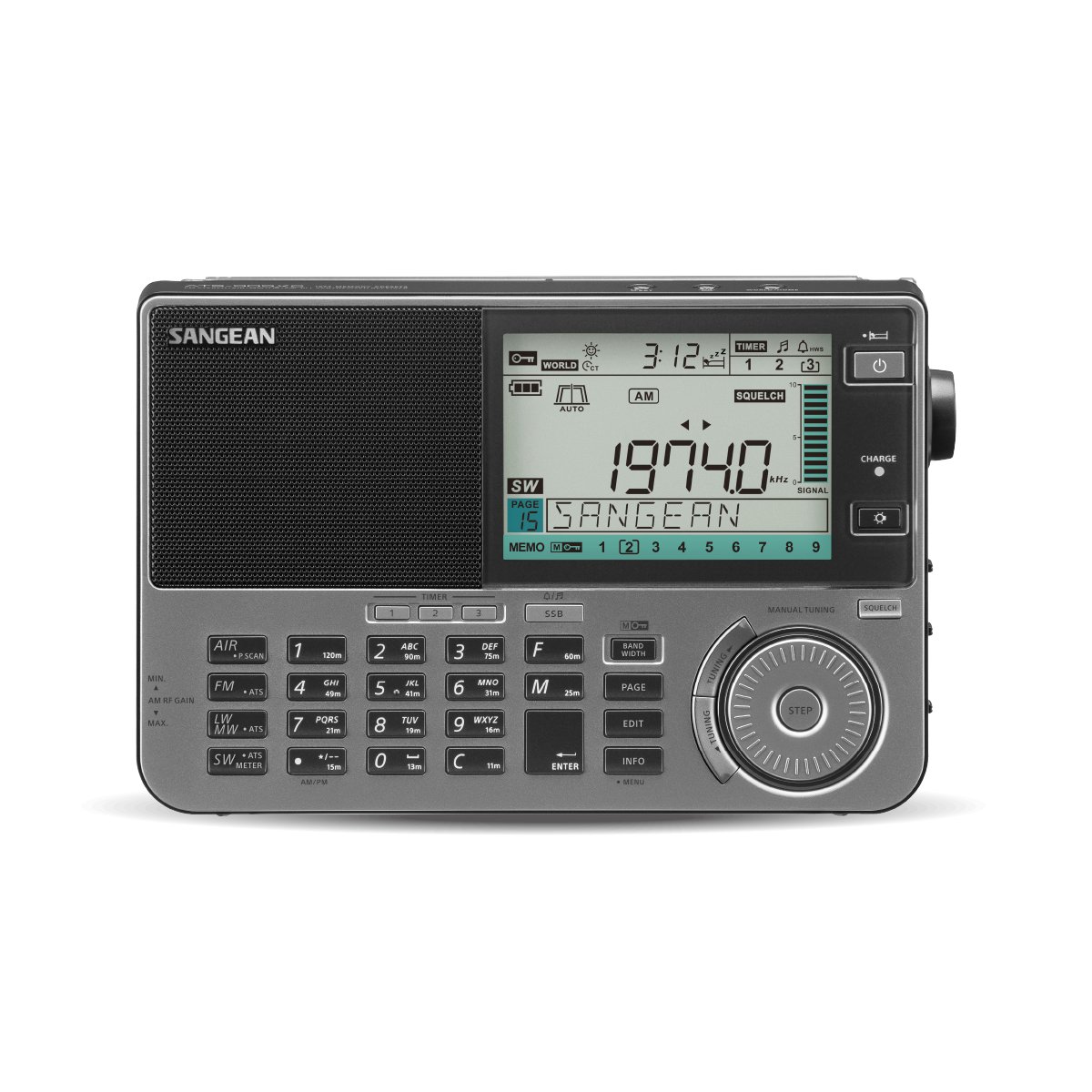
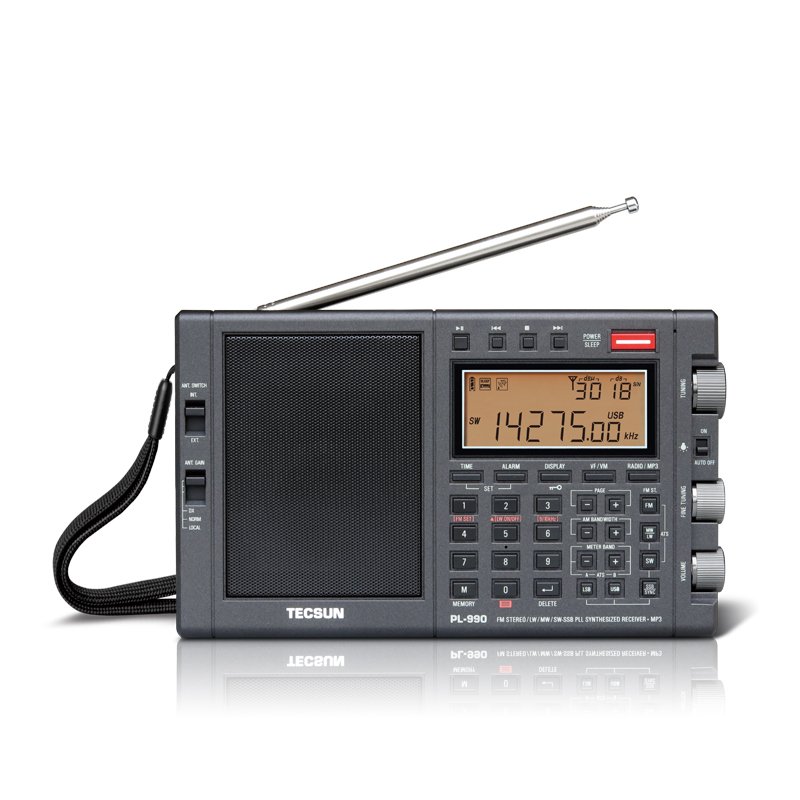
When the power and the cell network go down together, the first thing you lose is information. FEMA's basic kit starts with a battery-powered or hand-crank radio and a NOAA weather radio with a tone alert, because the radio is how you hear what officials say to do. Listening takes no license and no training.
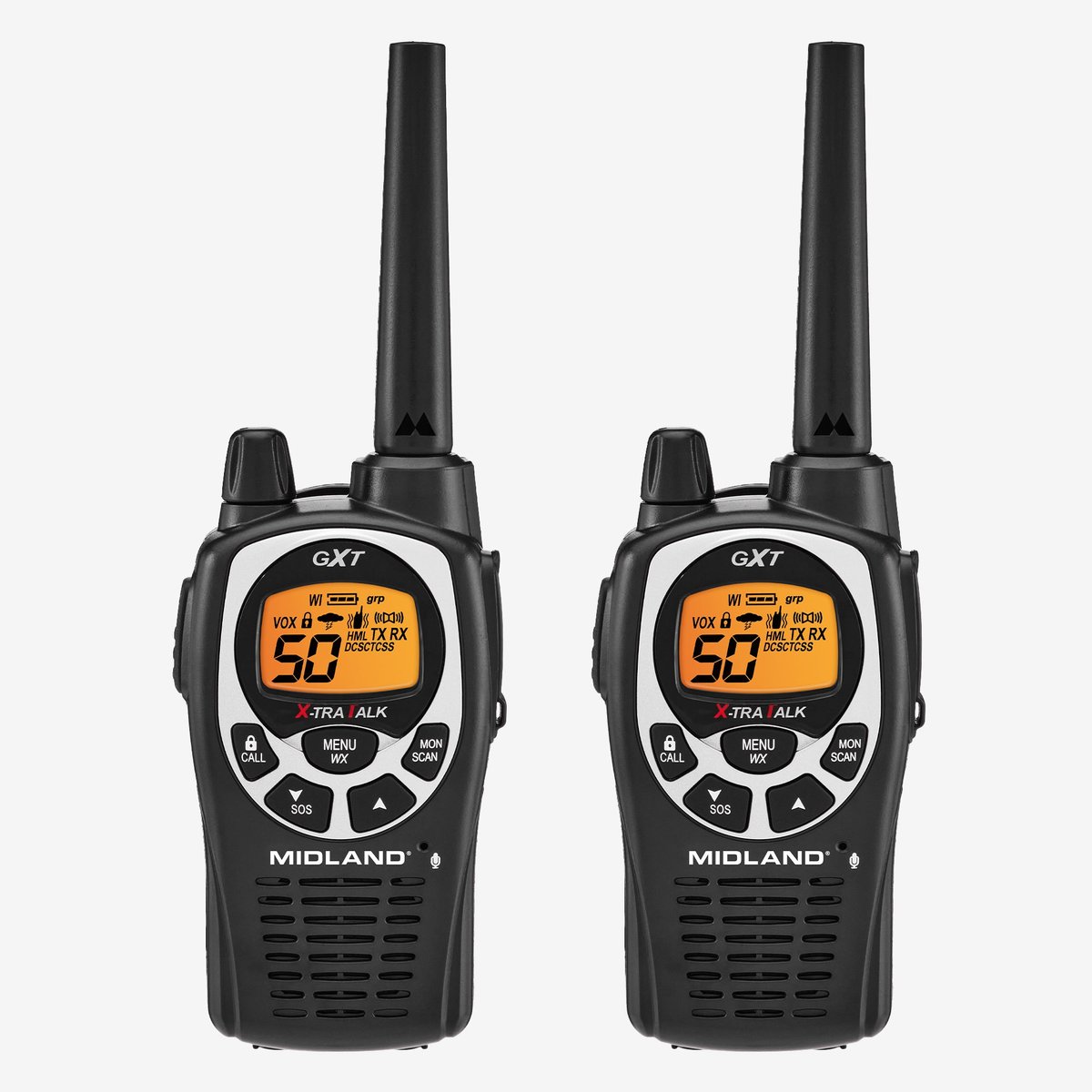
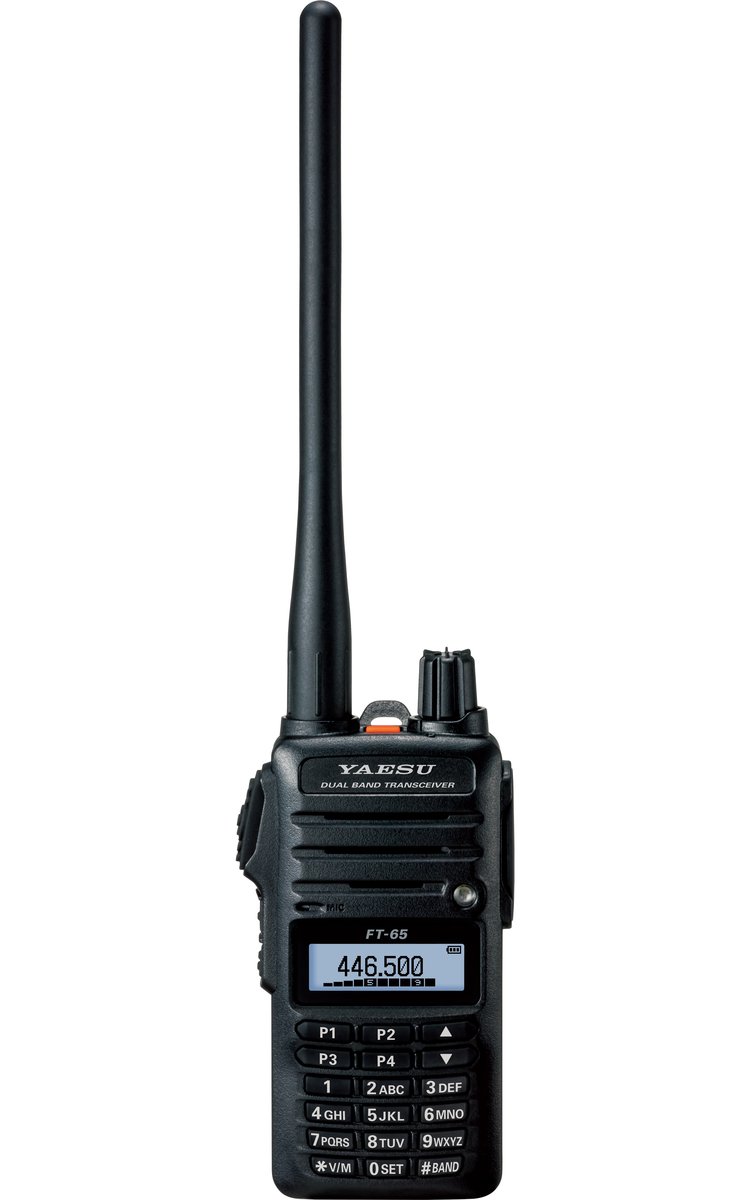
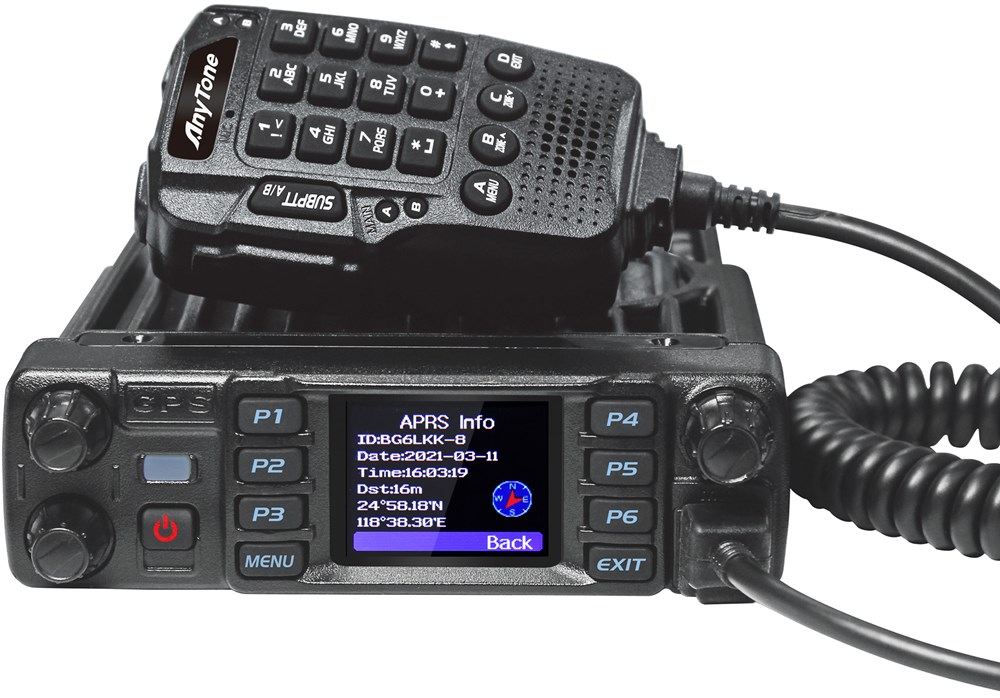
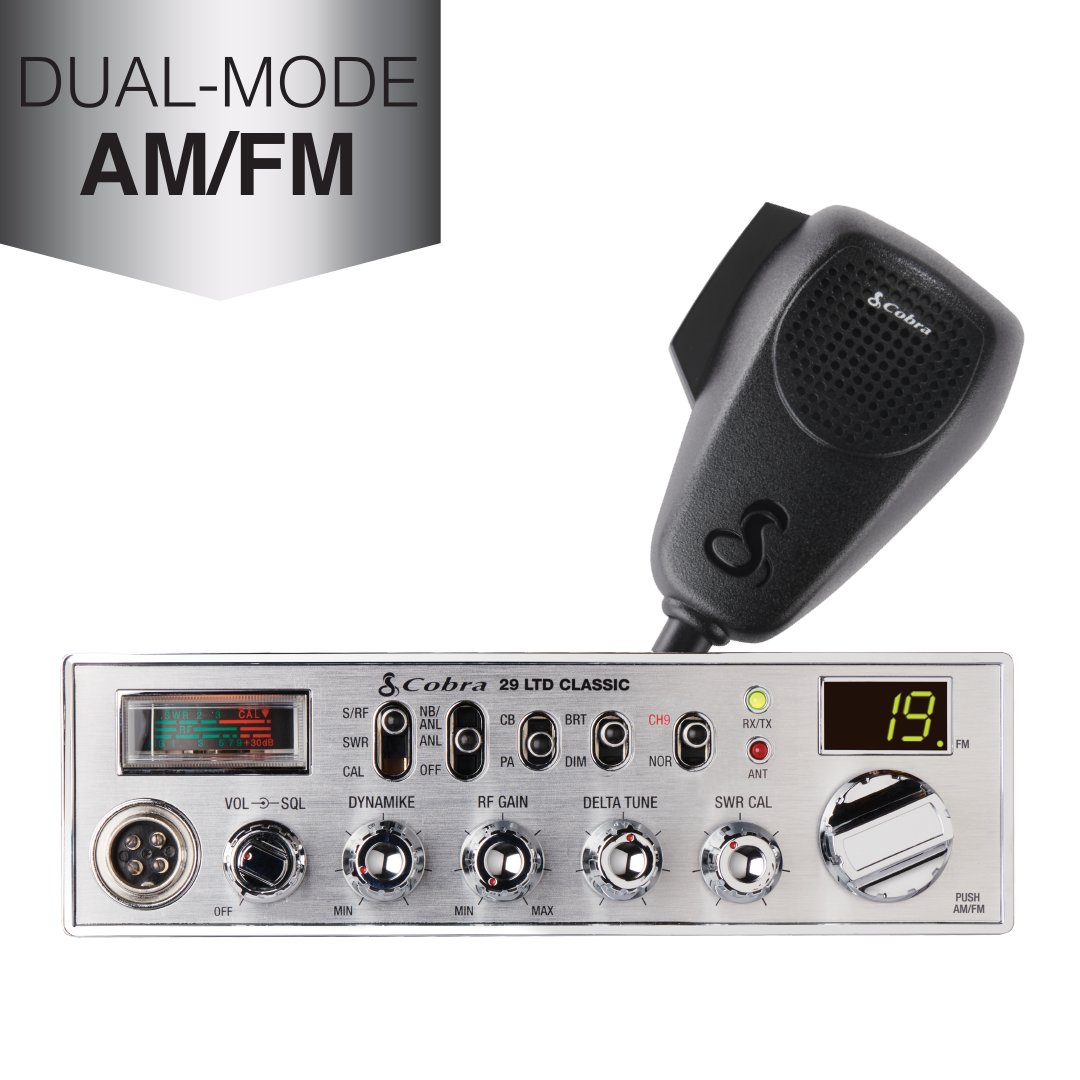
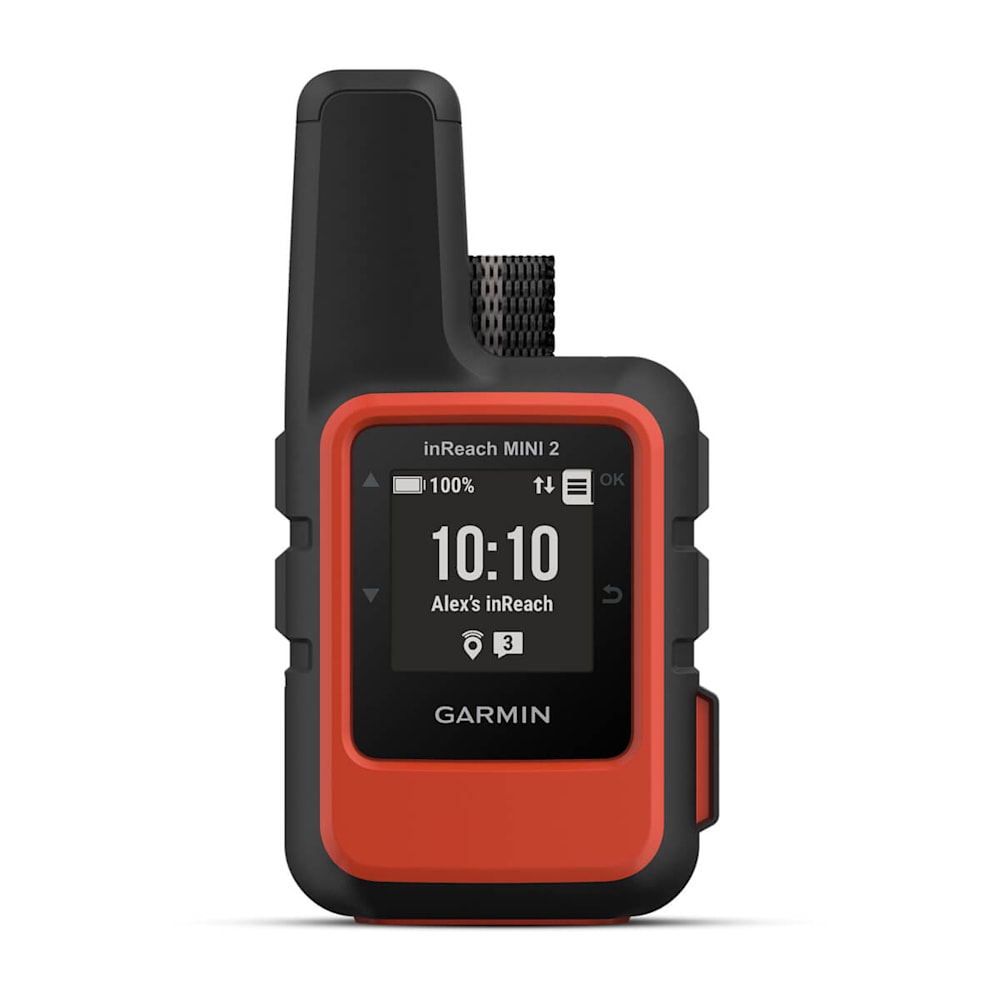
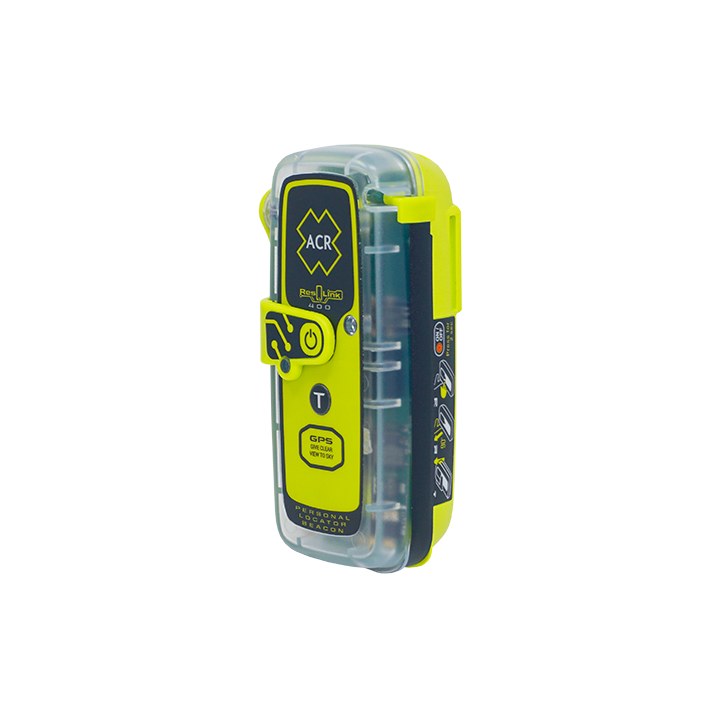
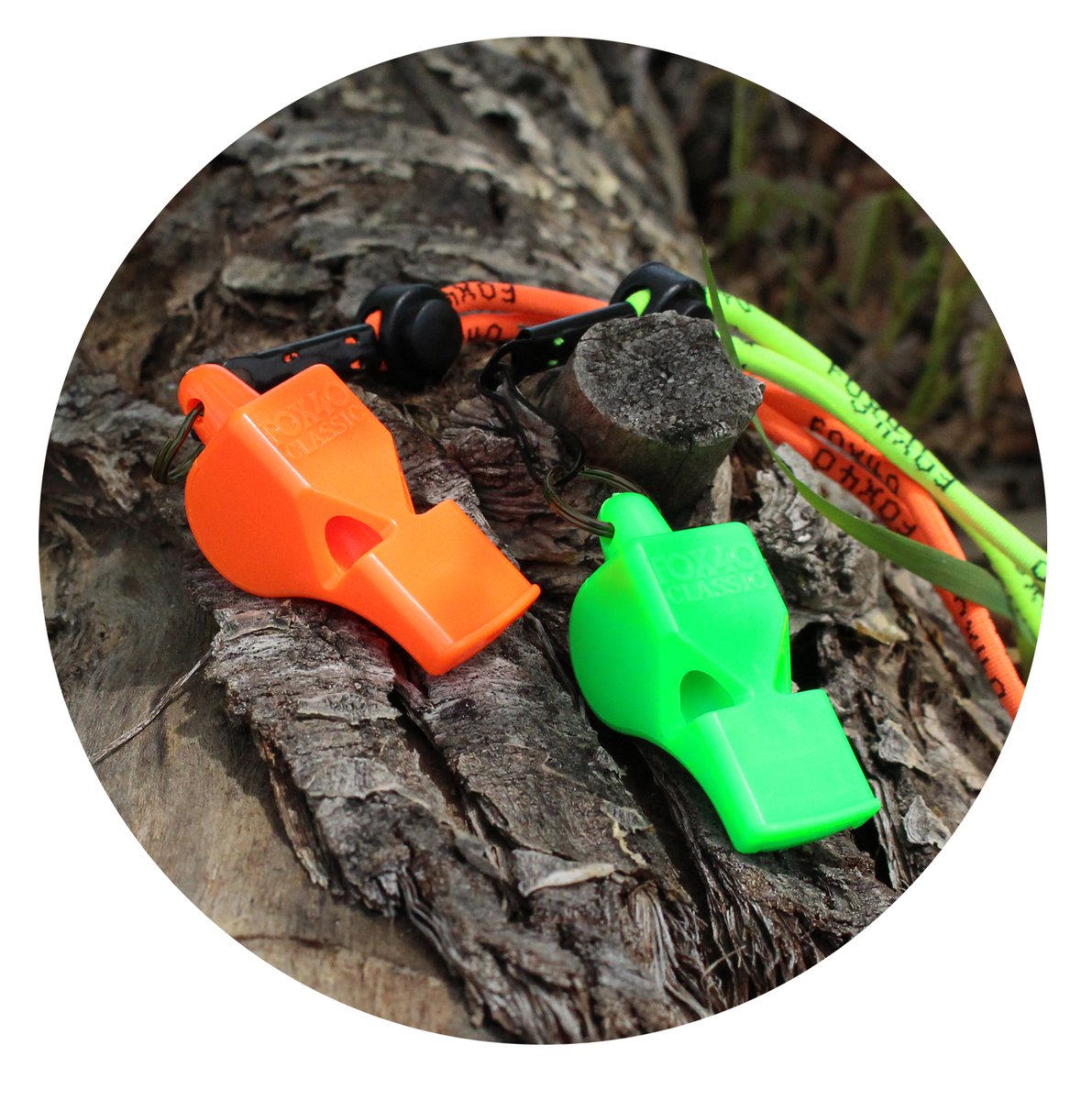
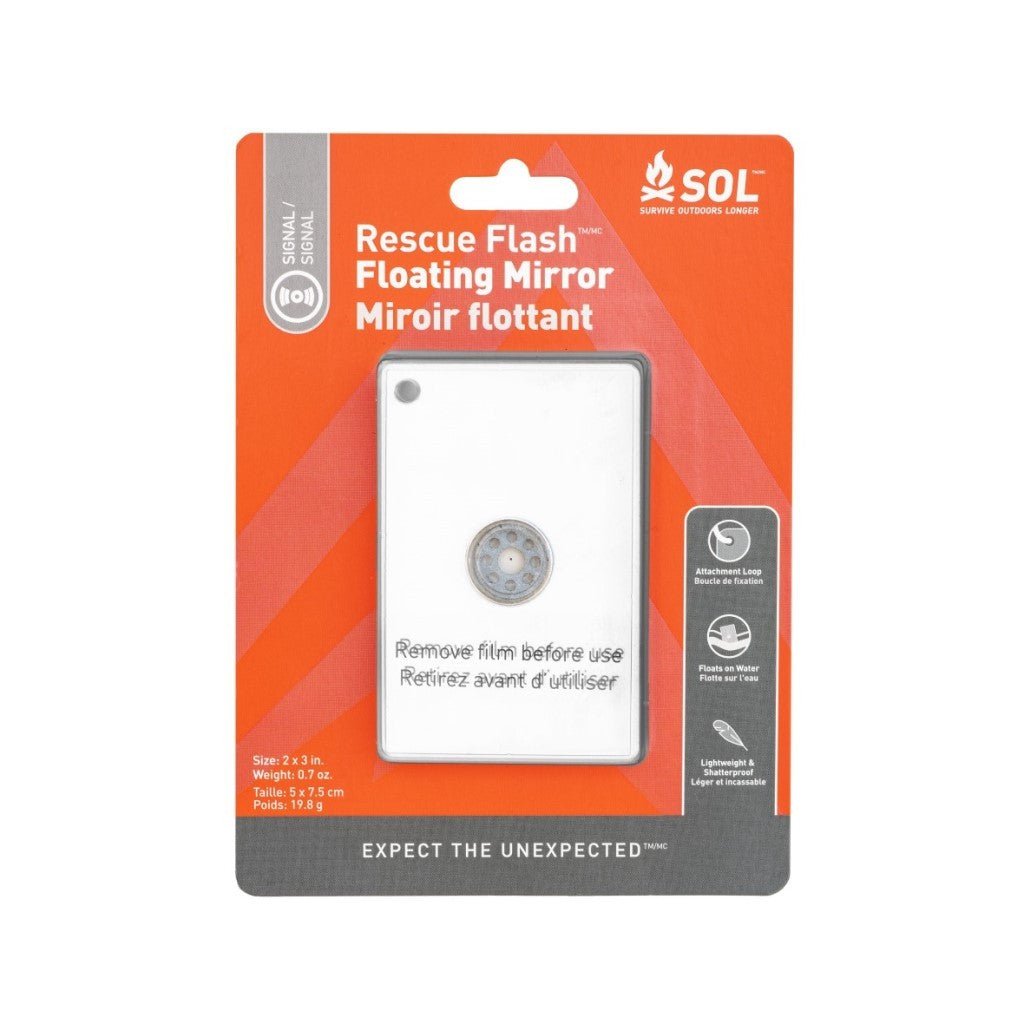
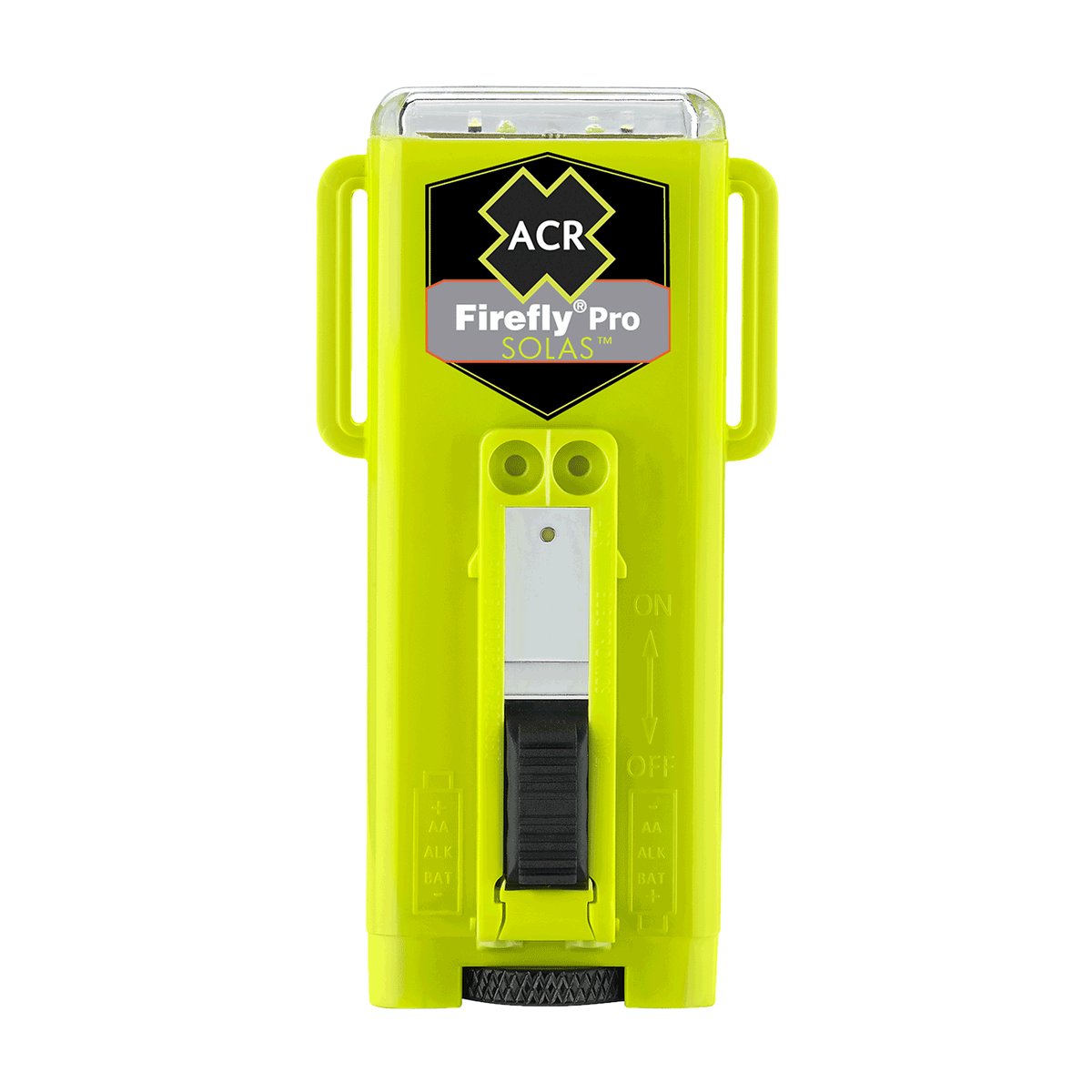
Then comes talking. A pair of handhelds keeps the family in touch across the neighborhood: FRS, MURS and CB need no license, GMRS needs an FCC license with no exam (one license covers the family), and ham radio needs an exam and reaches the farthest. And if you are the one who is lost or hurt, you need to be found: three of anything is a call for help. A whistle is heard a mile away, a mirror flash is the best signal on a sunny day, and a strobe at 60 flashes a minute is the standard signal at night.
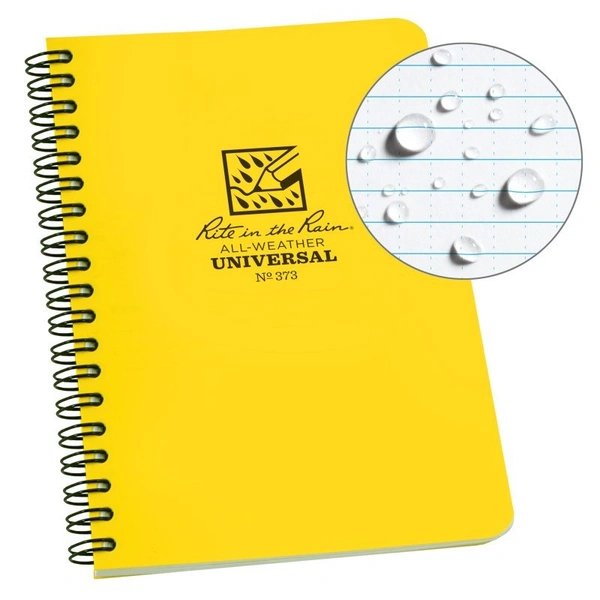
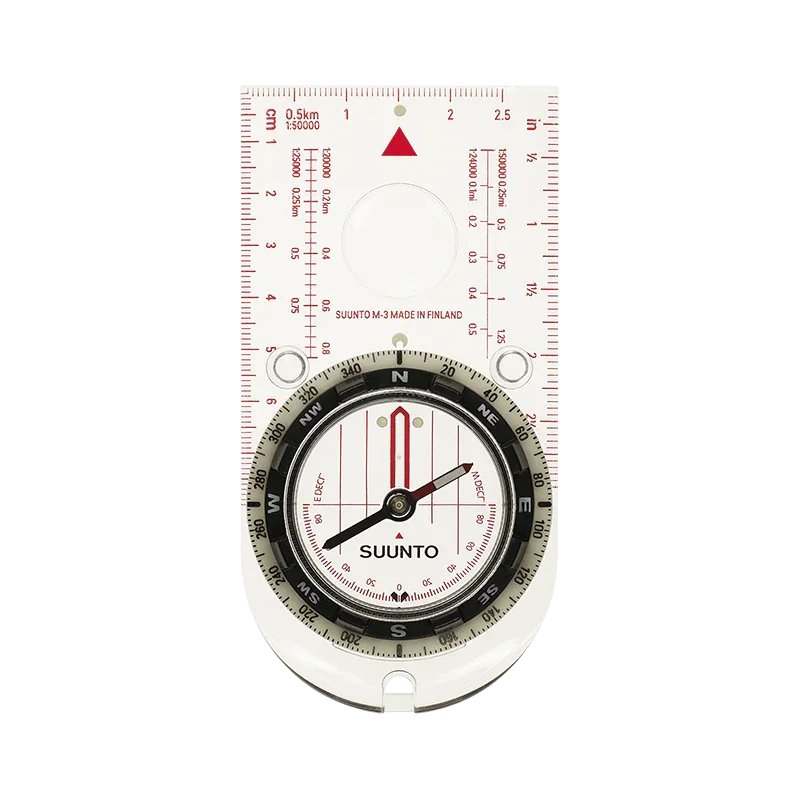
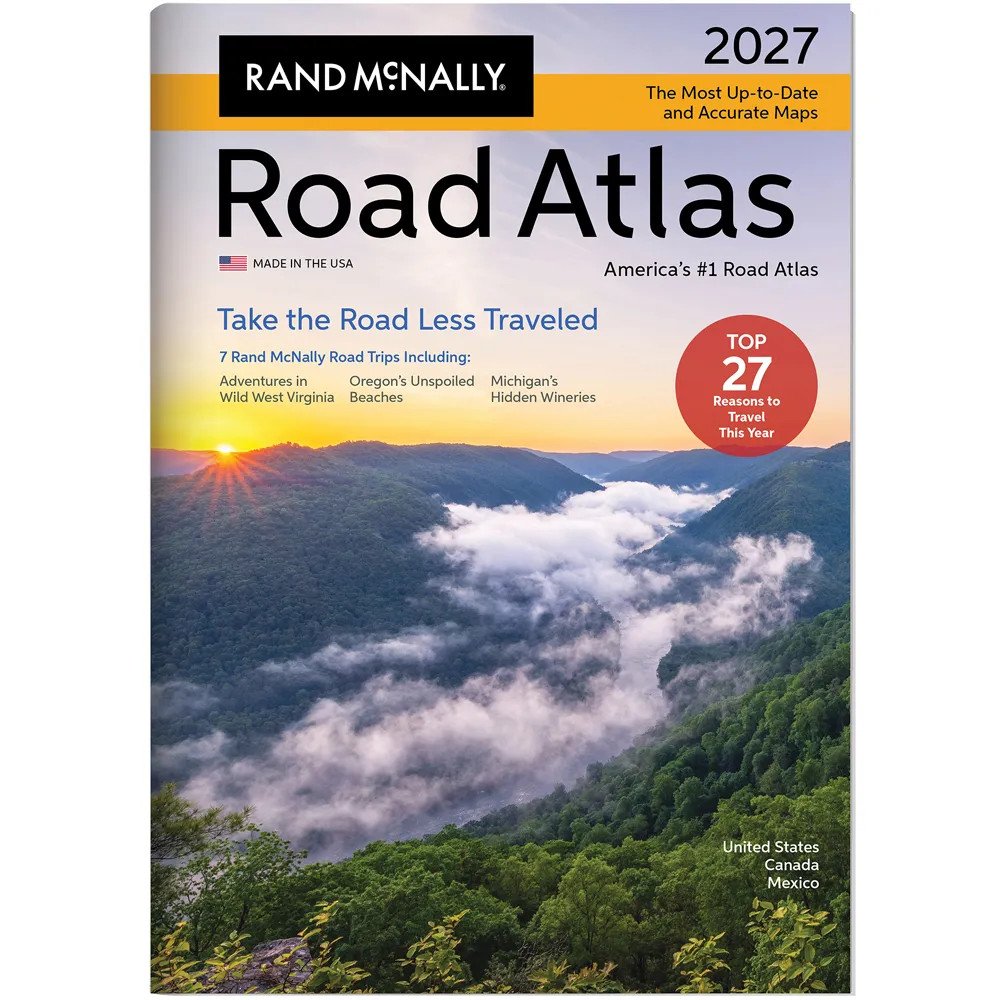
Write it all down on paper, too: the family communication plan, the channels, the meeting places, and the maps with two ways out of town. More detail on each kind of radio is on Emergency radios (listen-only) and Two-way radios.