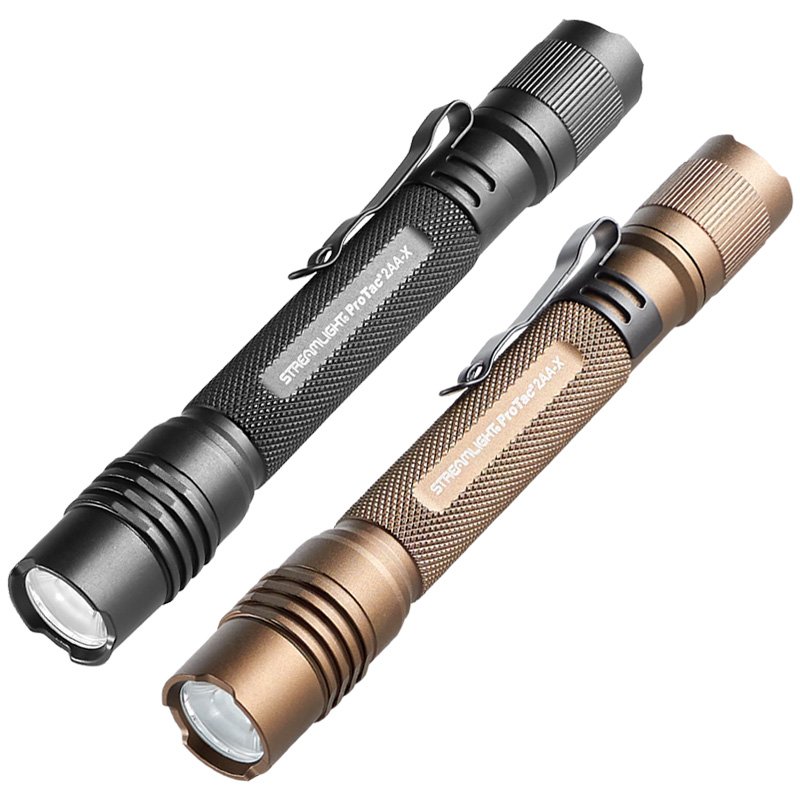
LED flashlight 2 AA
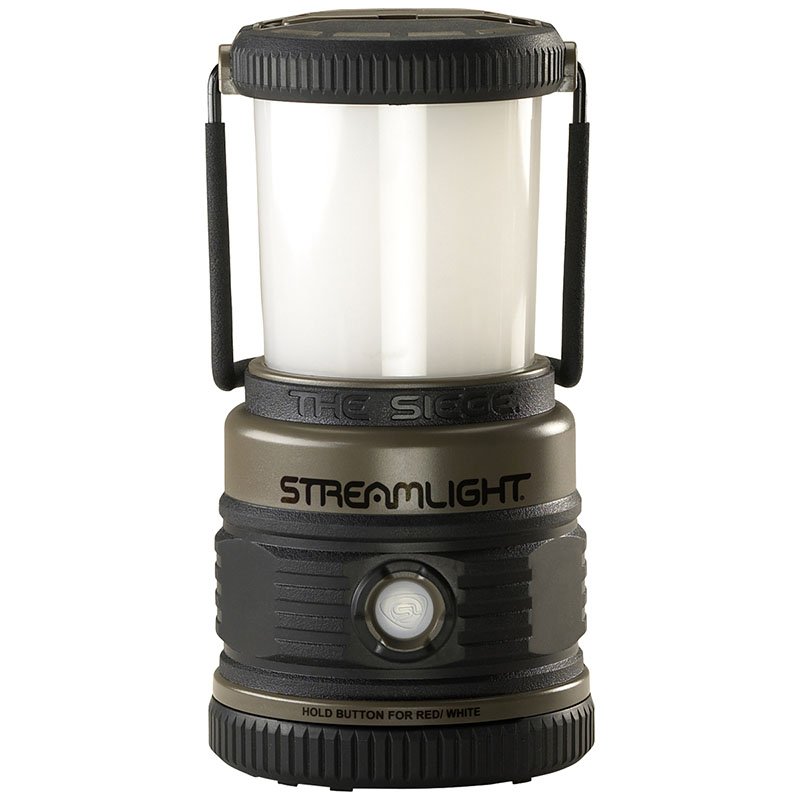
- 270 lm on high from 2 AA cells, per Streamlight
- 48 hours on low (18 lumens), per Streamlight
When the lights go out, a light in every hand. Battery LEDs first; flames are only the backup.
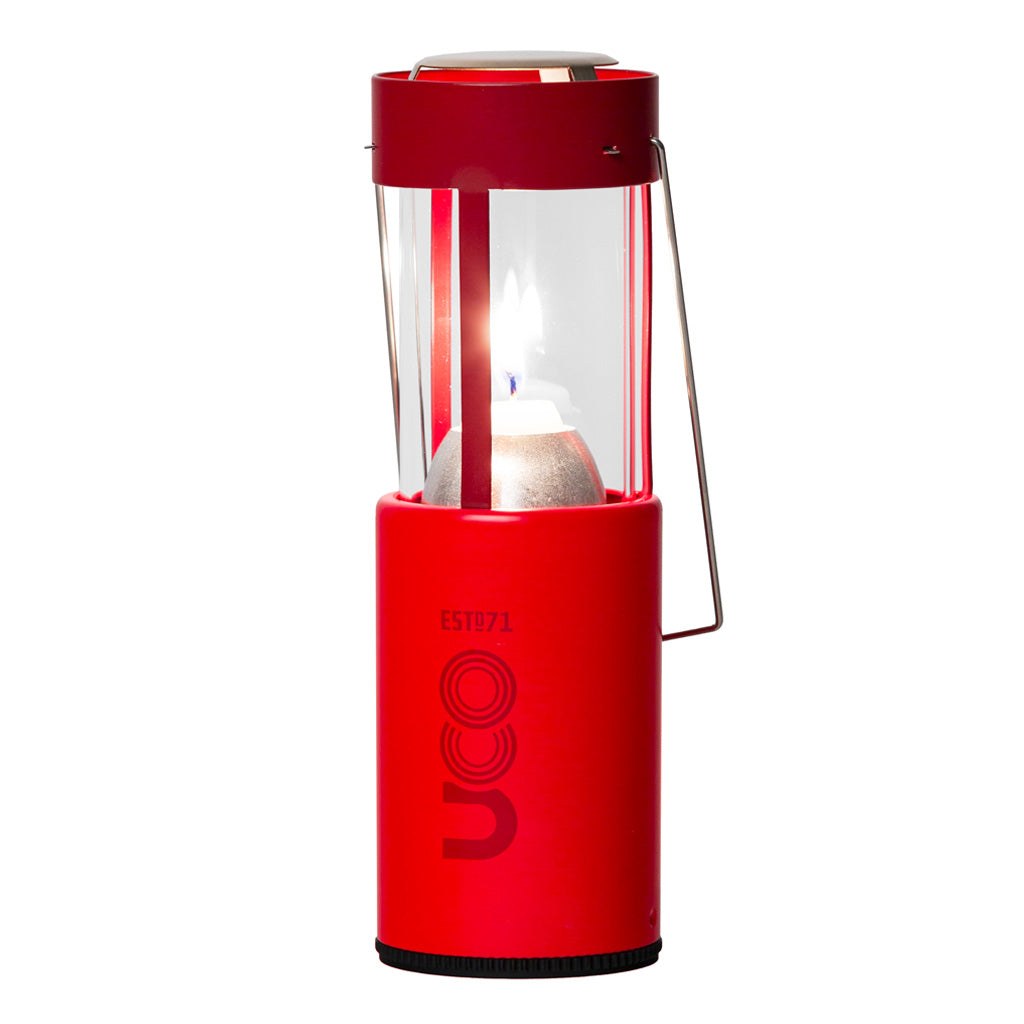
Ready.gov's first rule for a power outage is a flashlight for every member of the household. Not a candle: NFPA counts about 20 home candle fires a day in the United States, and the fire department may not be coming when the grid is down. Battery LED lights are the plan; flames are the backup.
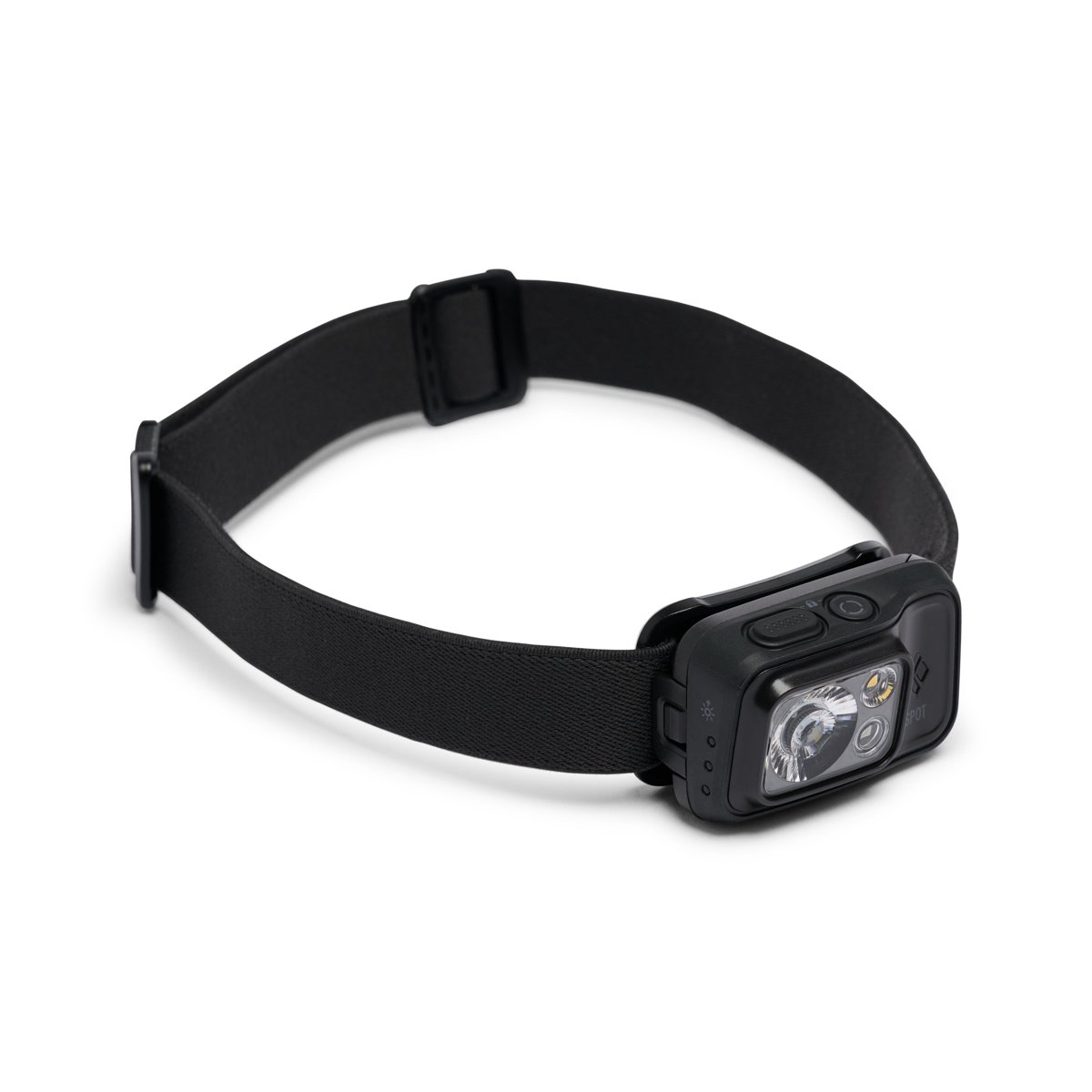
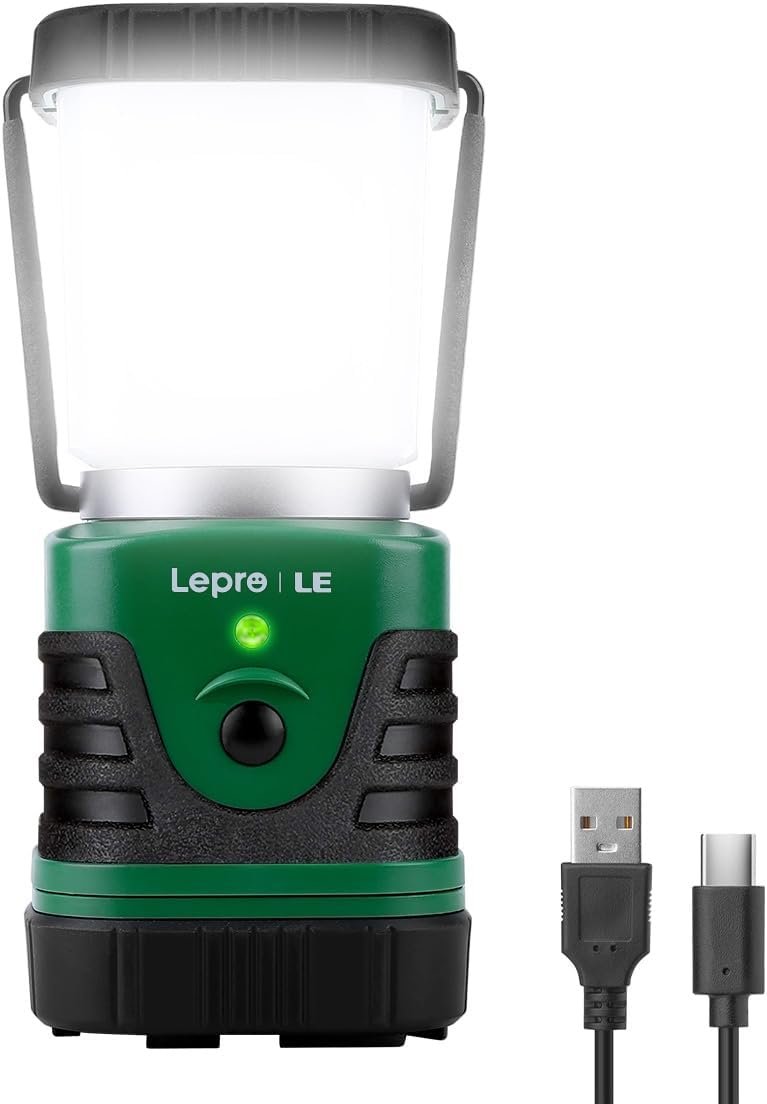
Give everyone a headlamp for tasks: it puts the light where you look and leaves both hands free to cook, read or dress a wound. Add one or two lanterns to light the rooms you live in, and run them on low: low mode lasts five to ten times longer than high. Keep a hand-crank lantern for the night every battery in the house is flat.
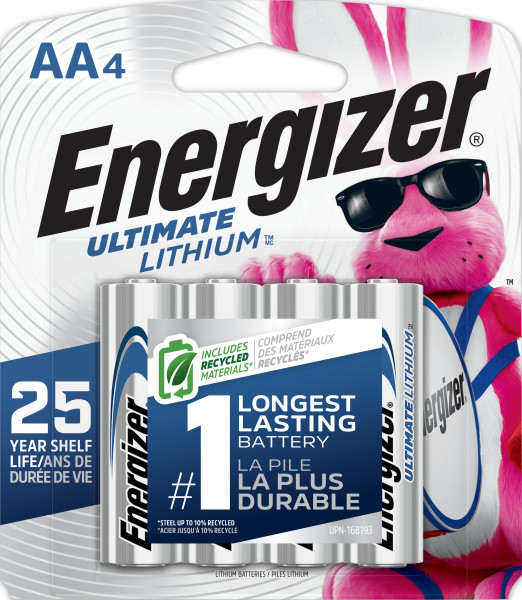
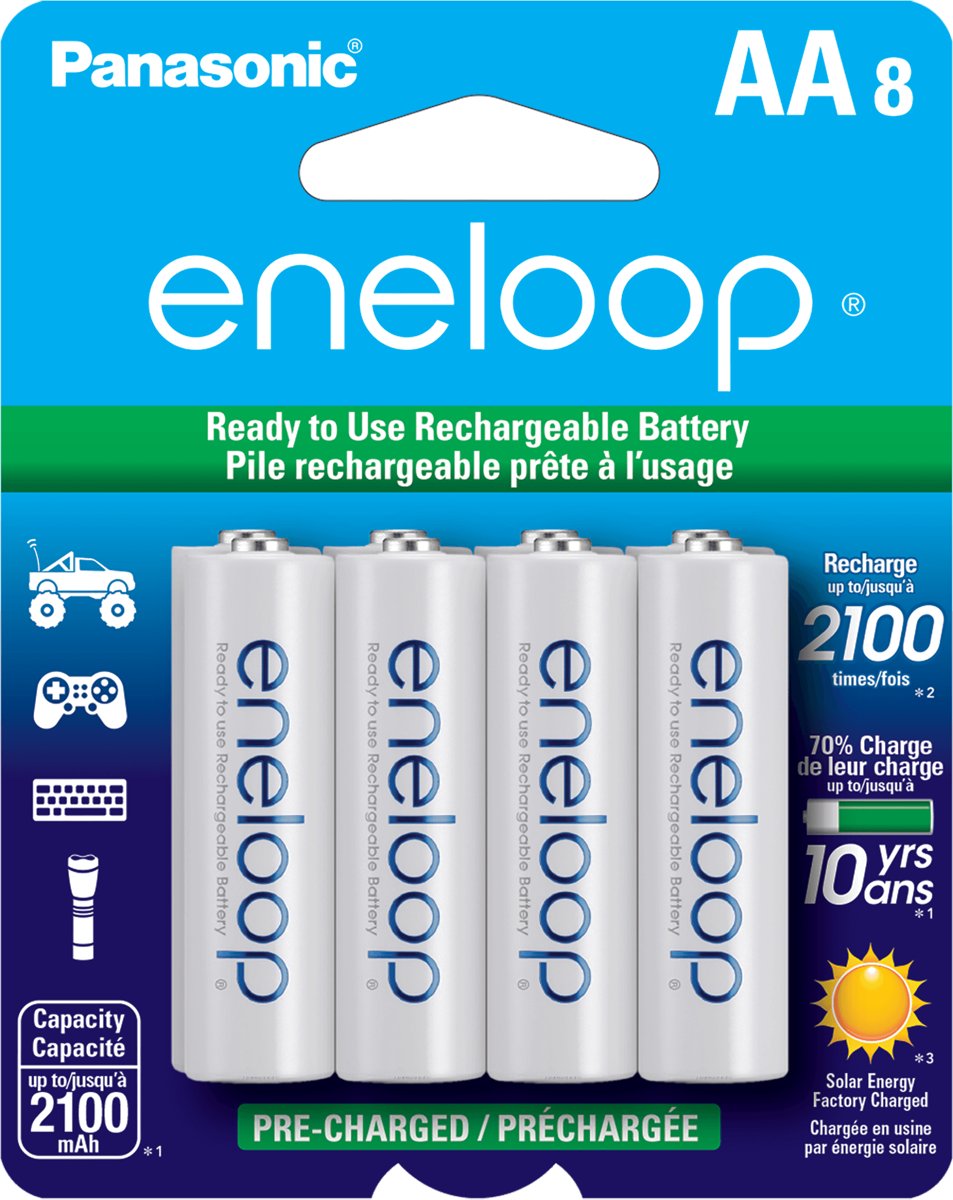
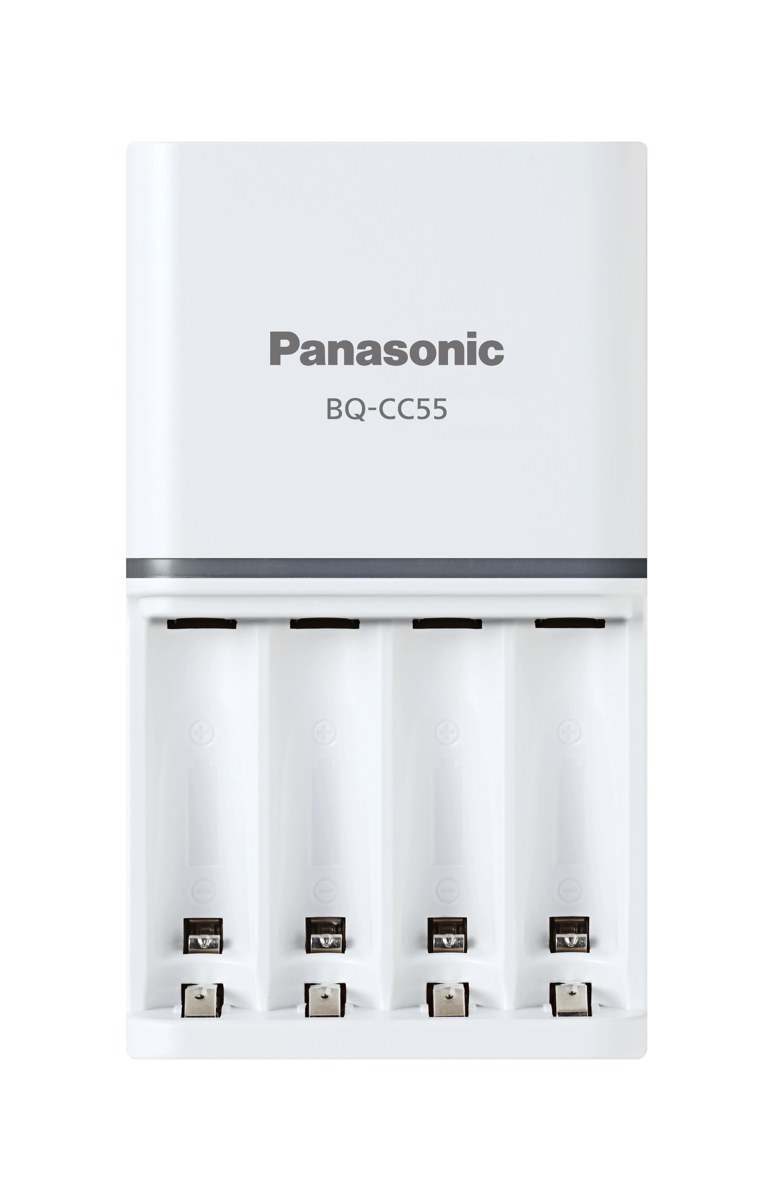
Then the batteries. Store spare cells beside each light, not in it: alkaline cells left in a lantern for a year leak and ruin it. Lithium AA cells keep for years and work in the cold, so they go in the car kit and the go-bag. Rechargeable AA cells pay for themselves when the outage runs into weeks and you have a way to charge them.