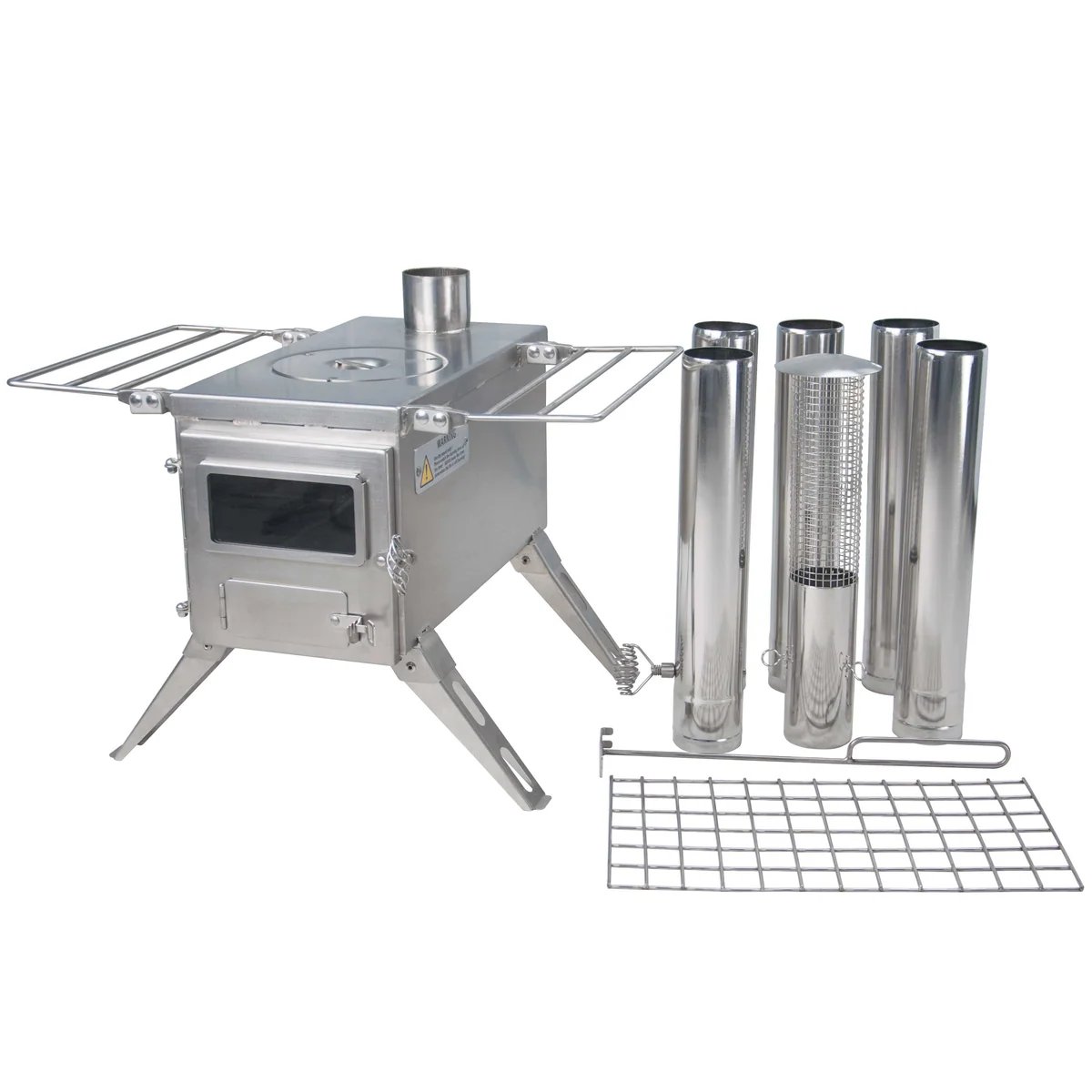
Winnerwell Nomad tent stove
- AISI 304 stainless steel, the pipe packs inside, per Winnerwell
When the furnace quits in a winter storm, the goal is not a warm house. It is warm people, in one room, until the power comes back.
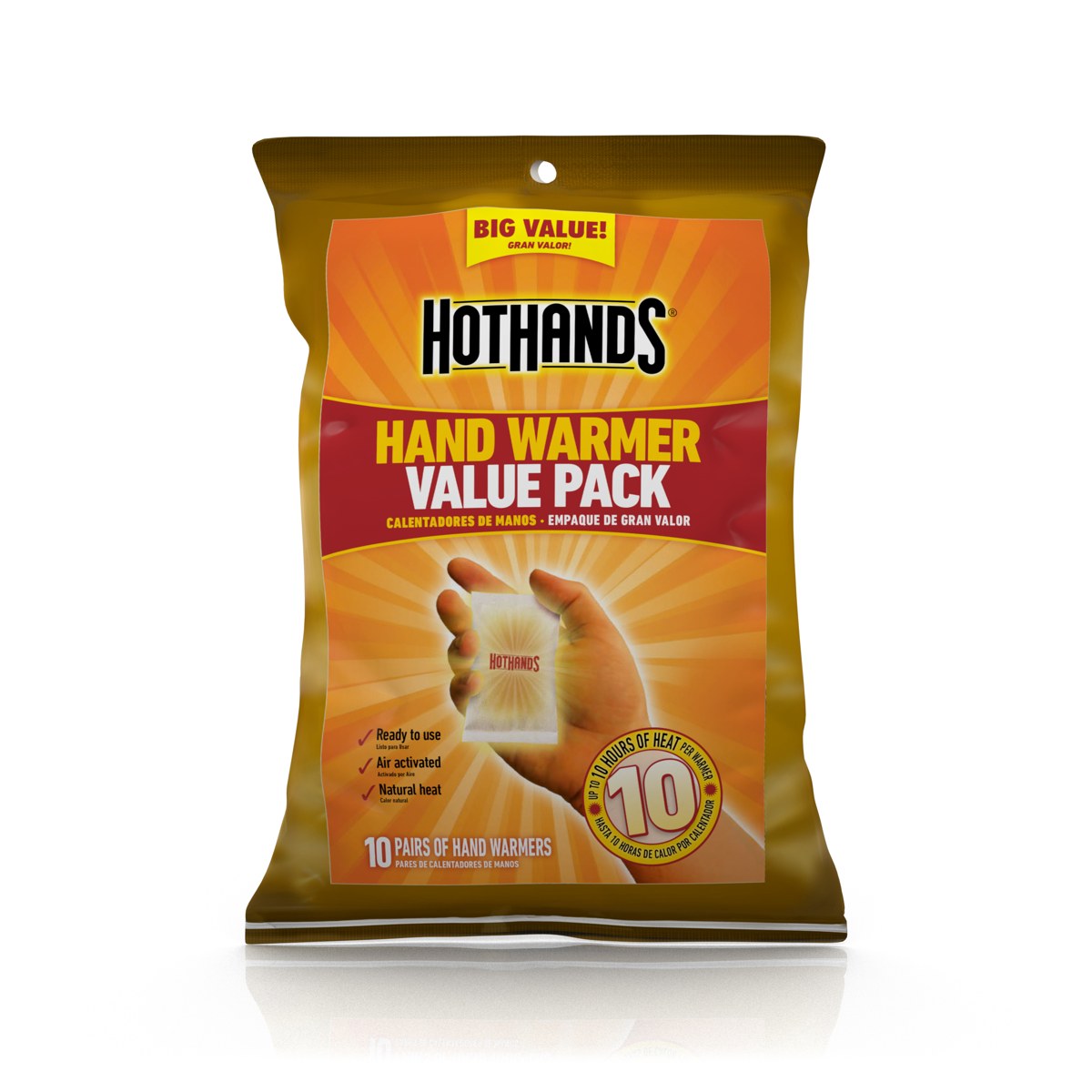
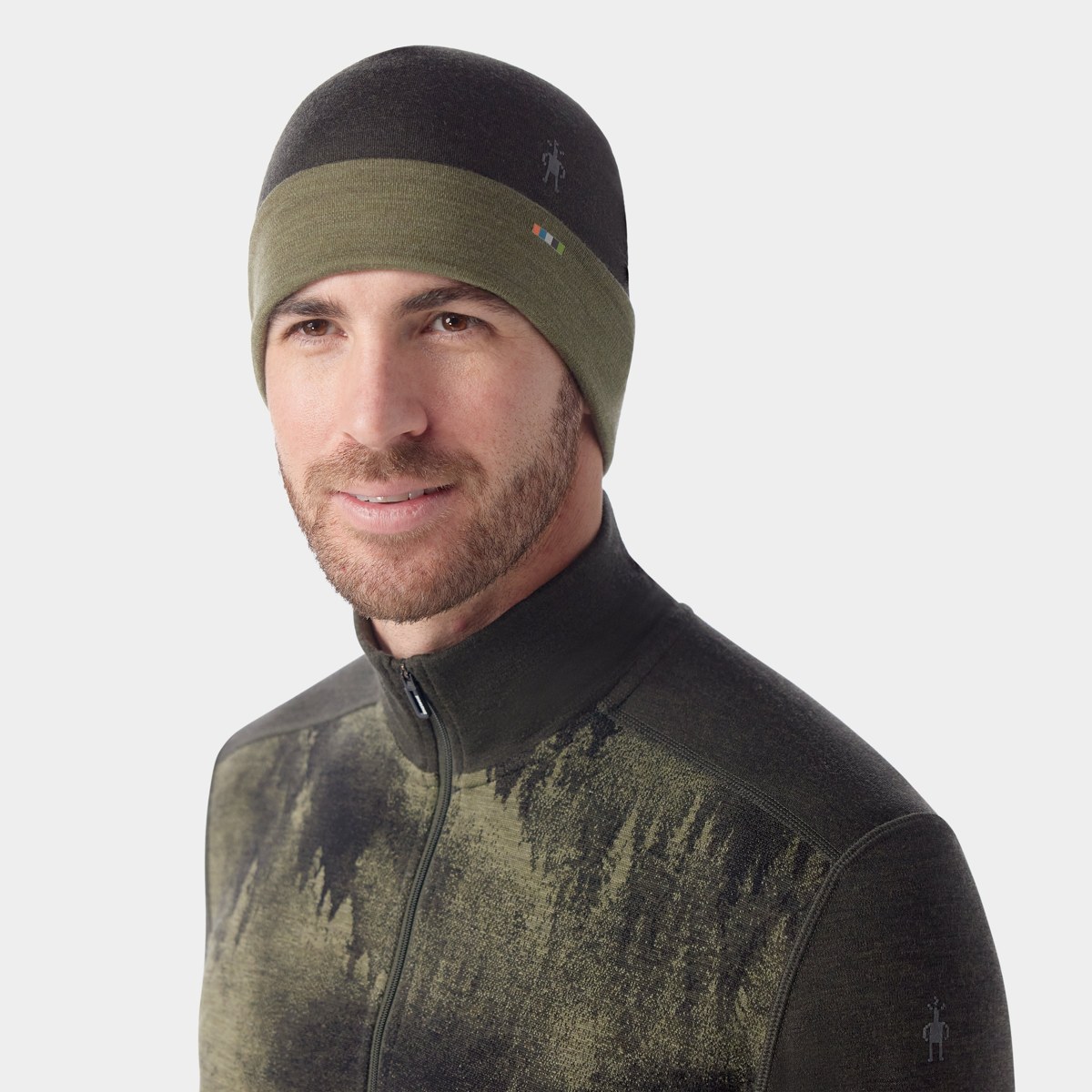
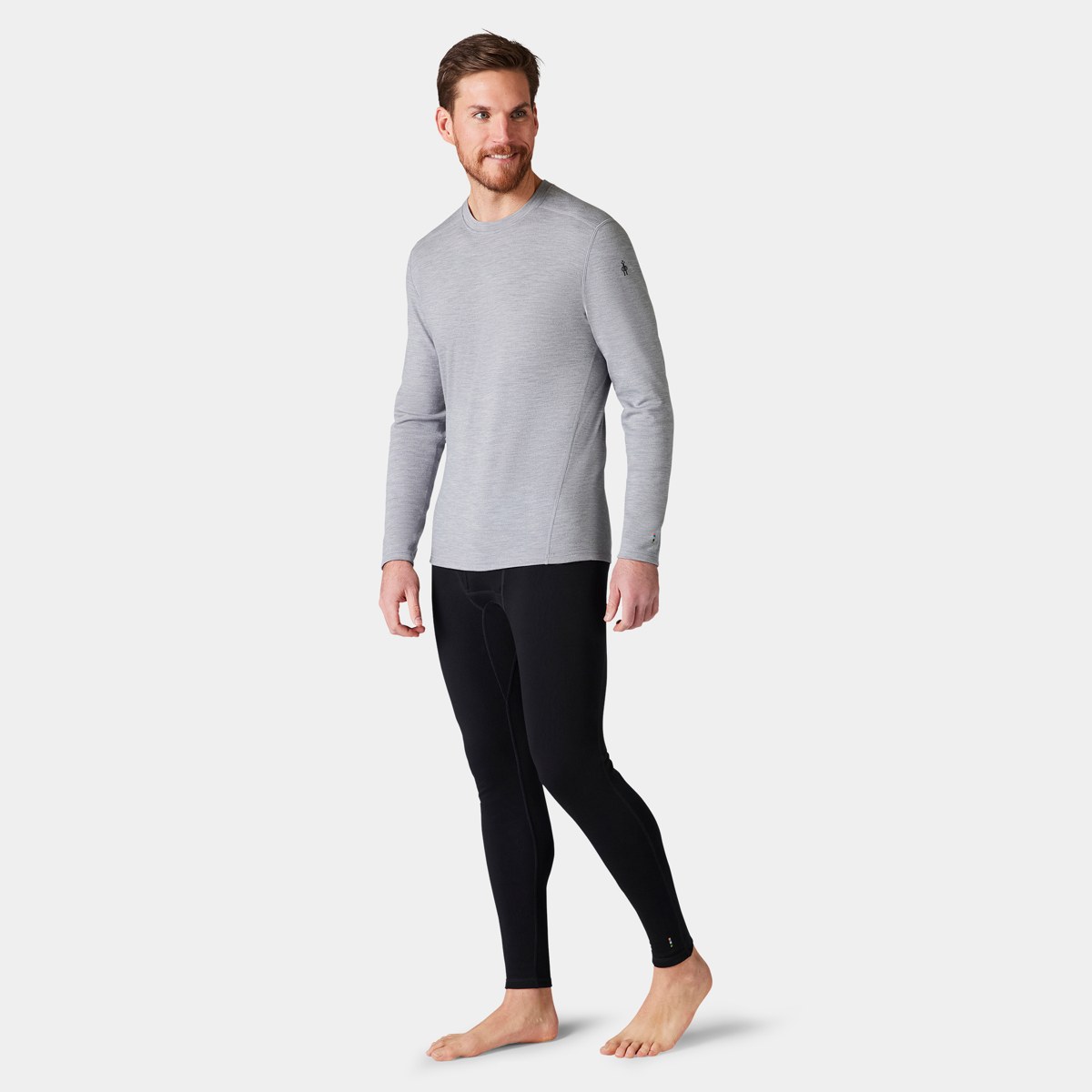
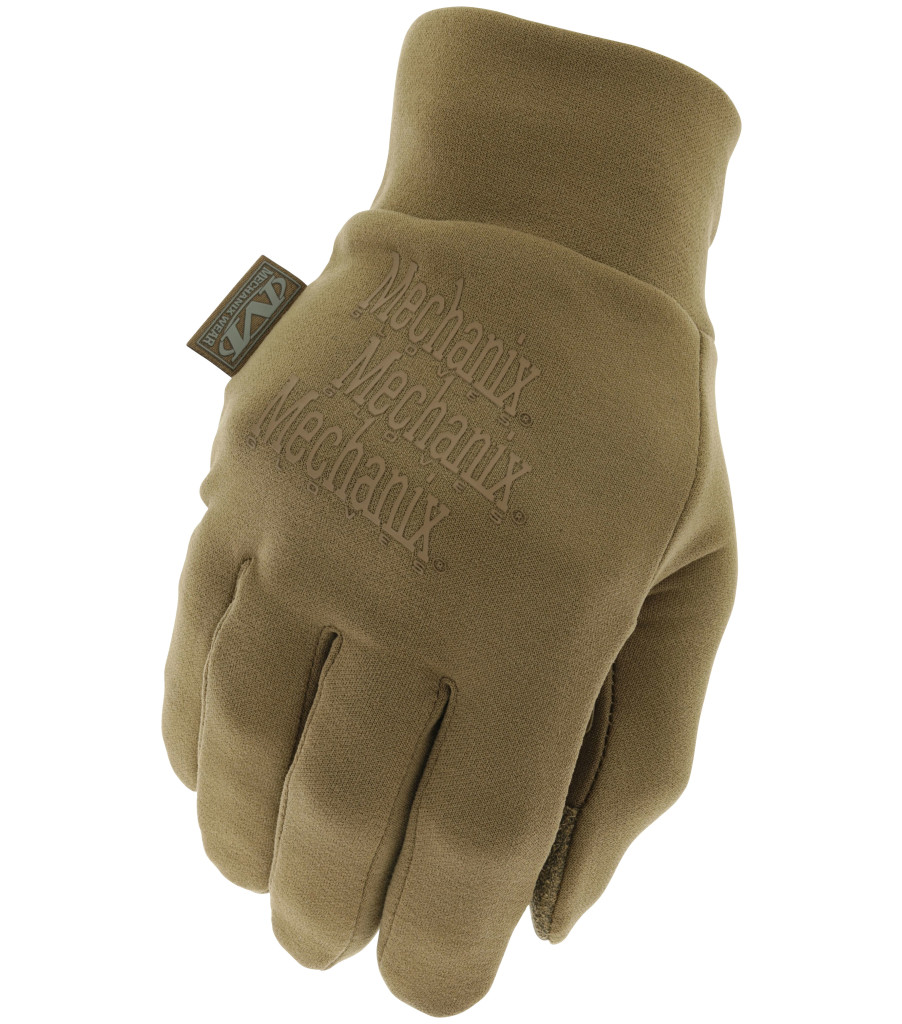
When the heat goes out in a cold snap, an ice storm or a long outage, the official advice is to stop heating the house and start keeping people warm. Pick one room, close it off, and bring everyone into it. Dress in loose layers before you feel cold, and put a hat on.
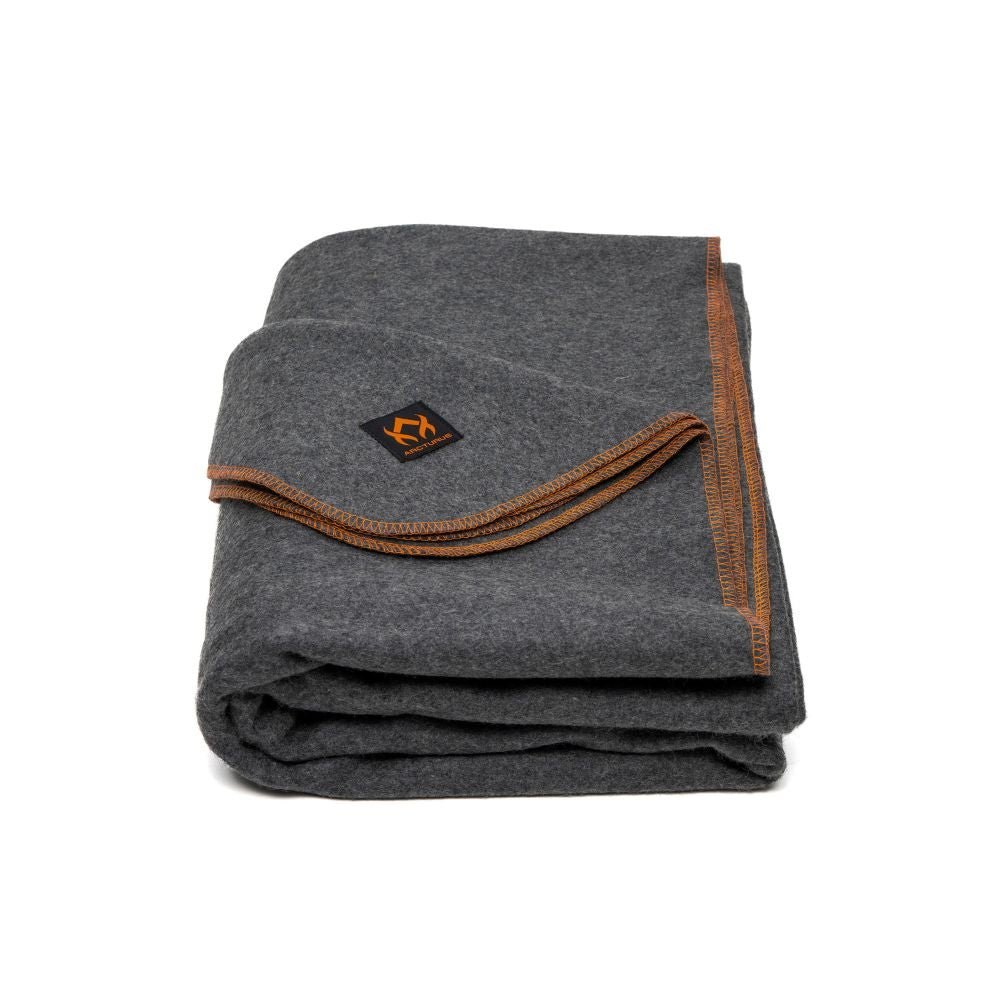
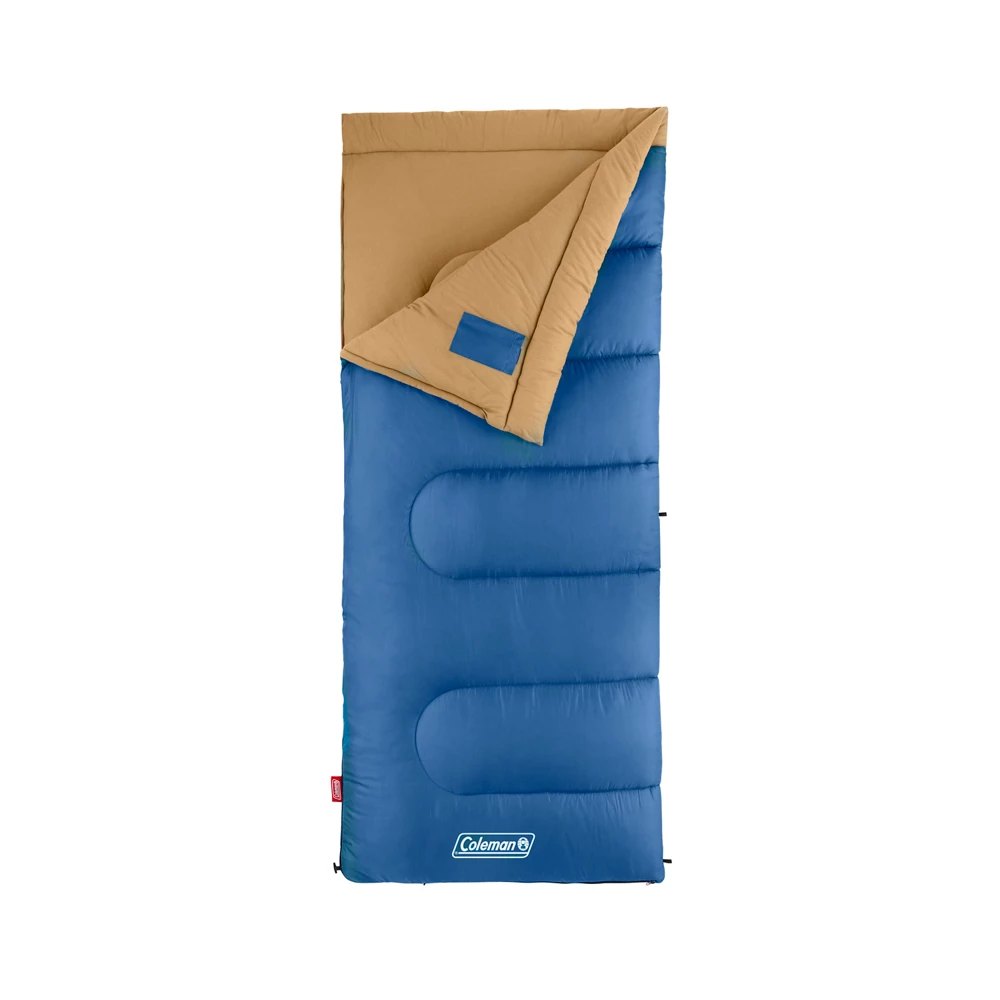
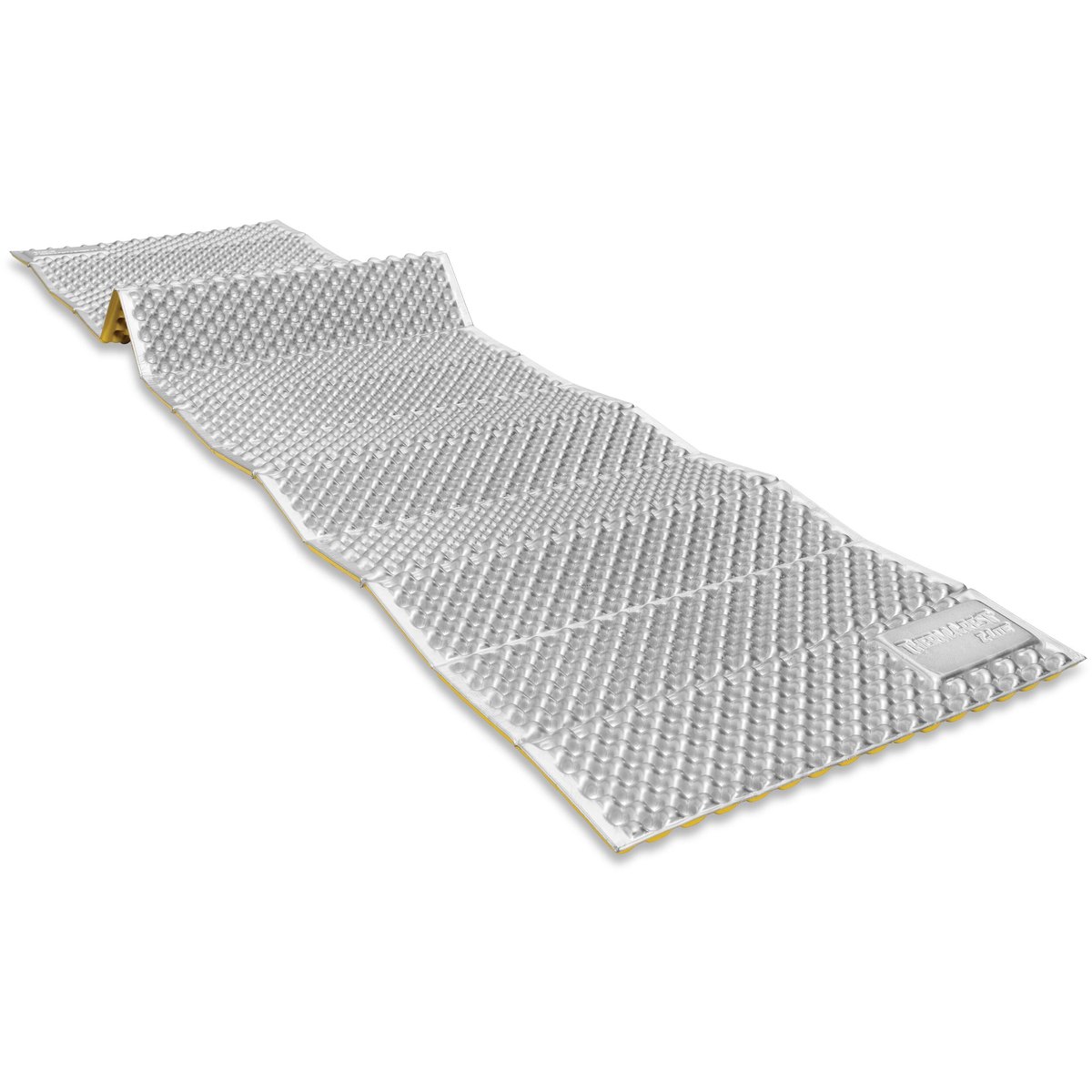
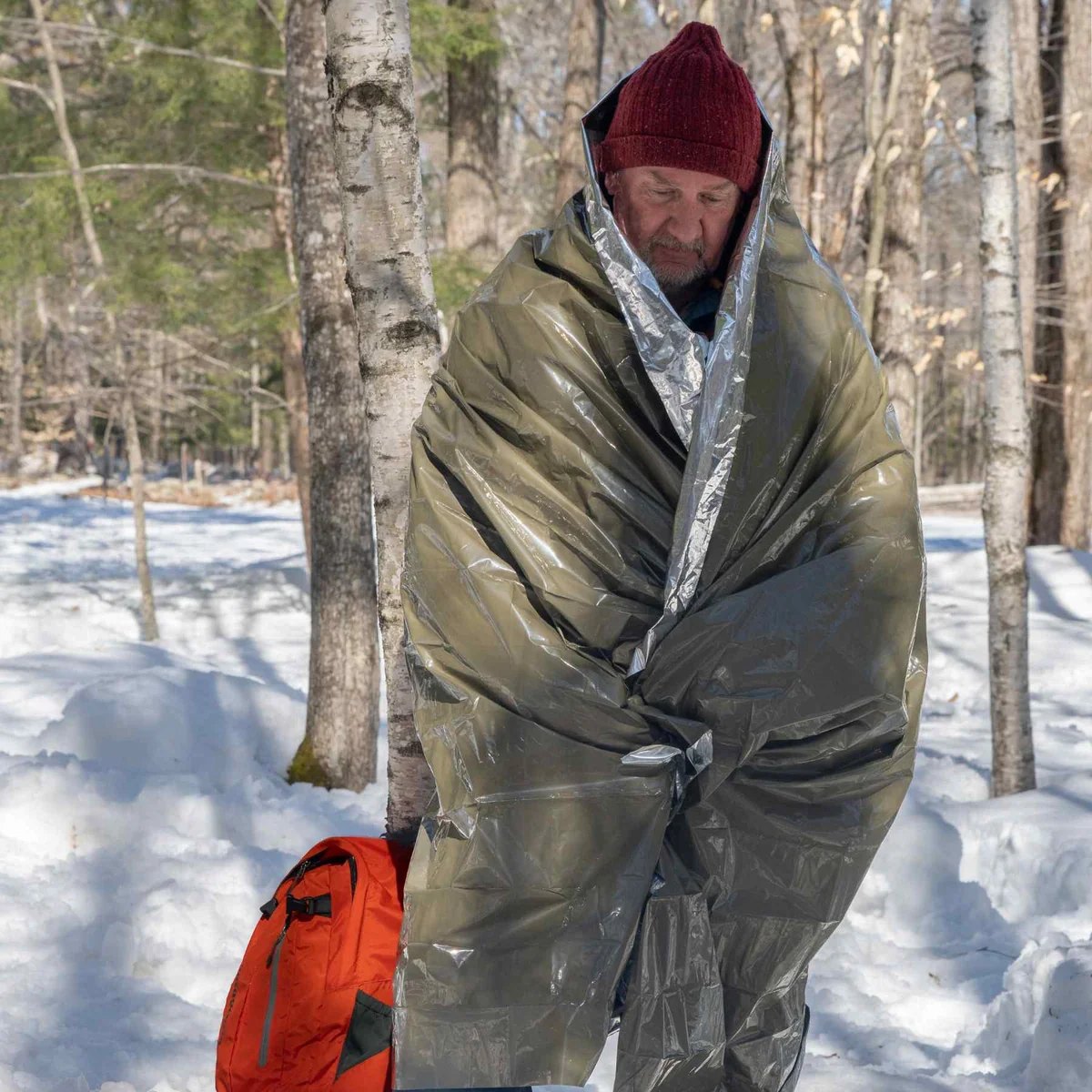
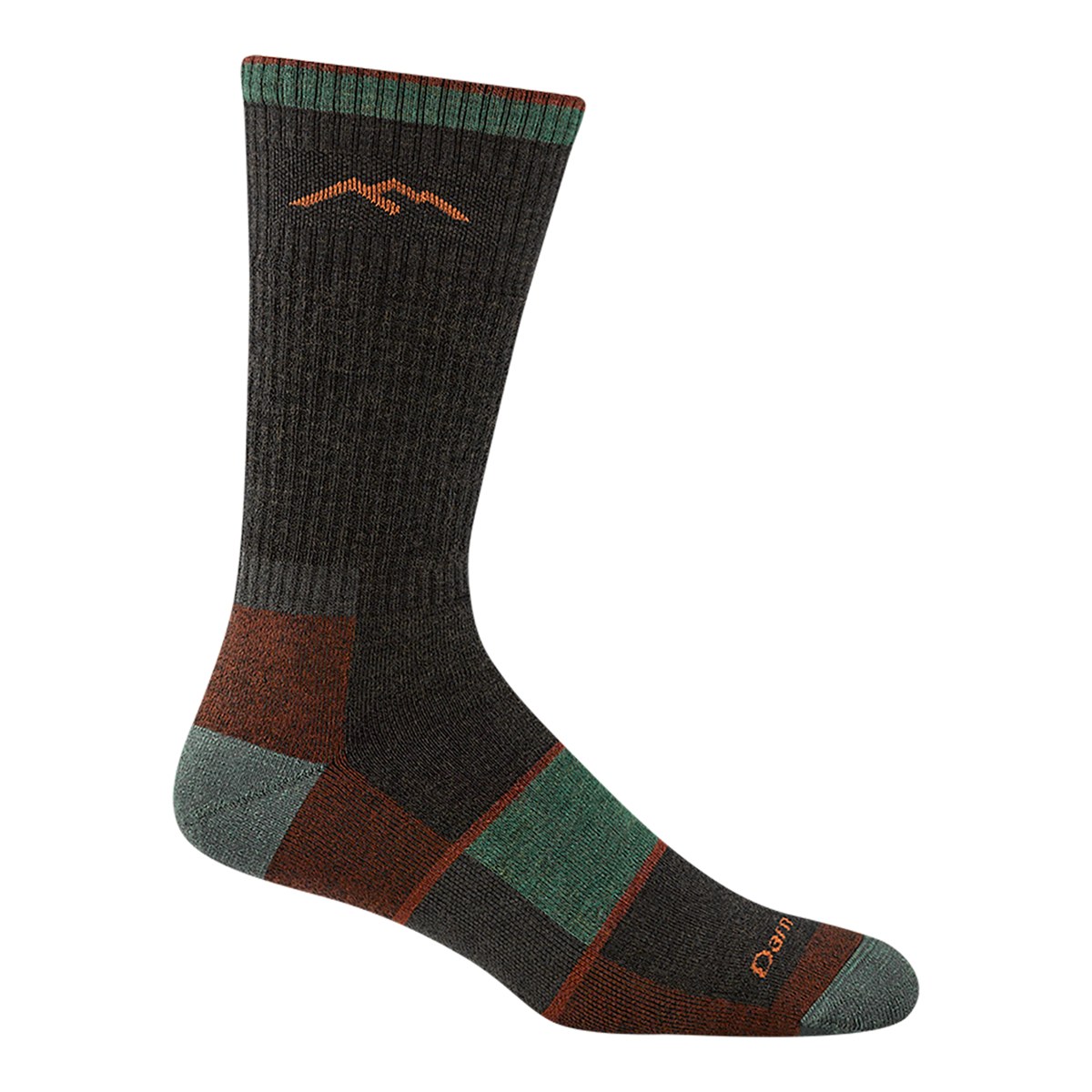
Sleep is where the cold wins. Lying down, you lose up to 80 percent of your body heat to the ground, so insulation goes under you as well as over you: a closed-cell foam pad, then a sleeping bag or a wool blanket, which FEMA's kit calls for, one per person. Wool still warms when it is damp. A foil blanket outside the insulation holds in what the body makes.
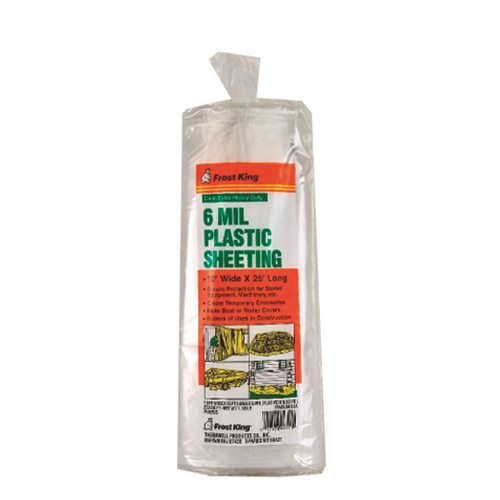
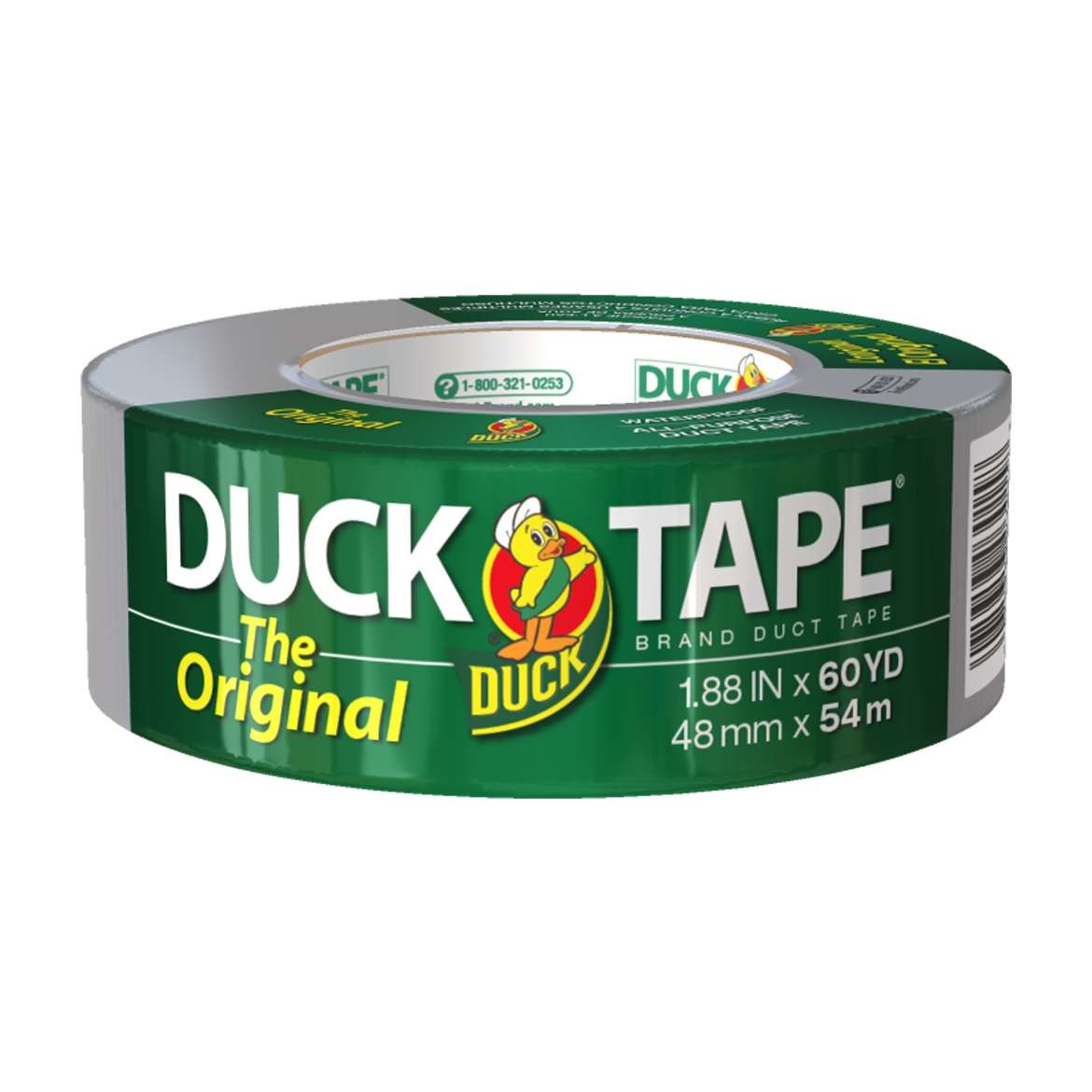
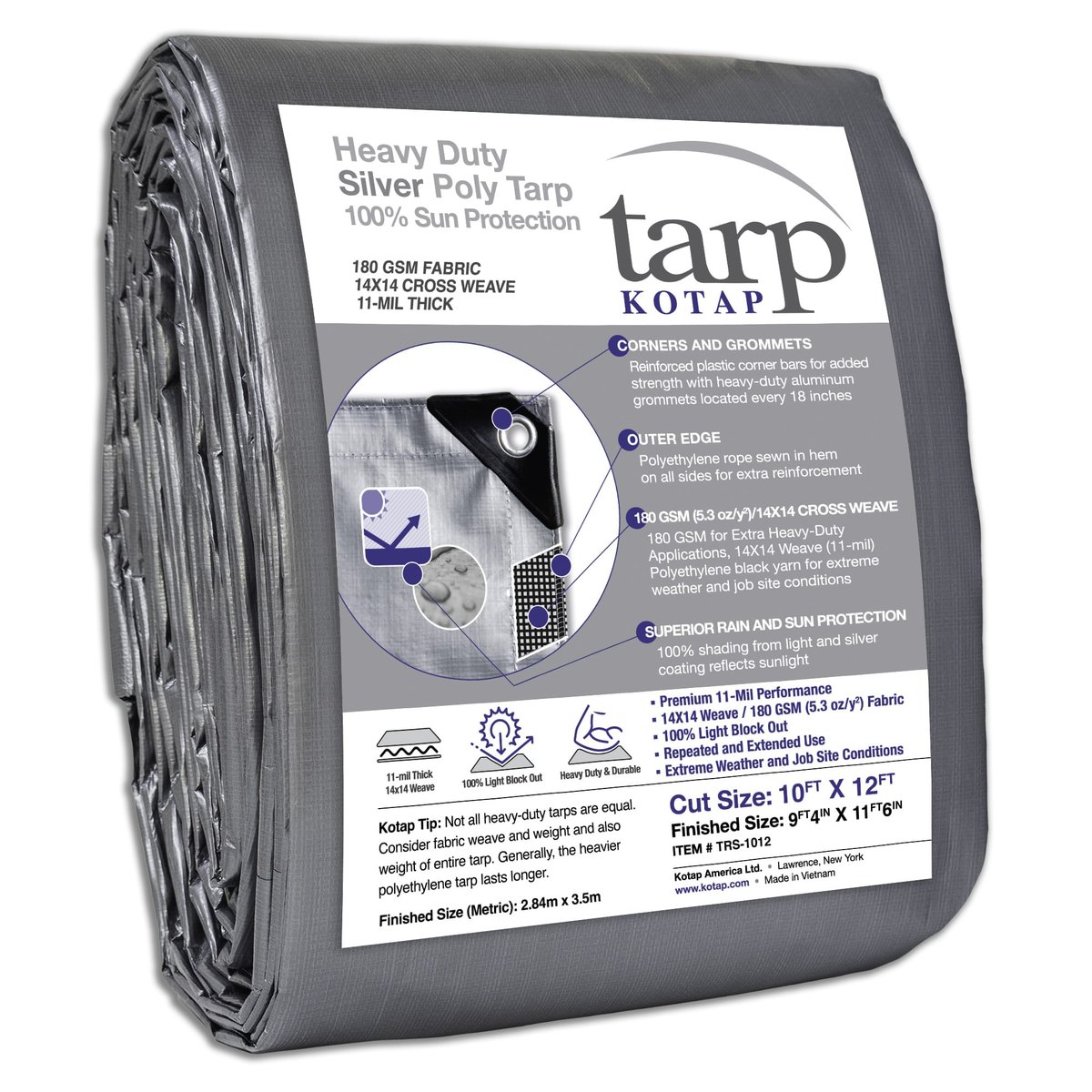
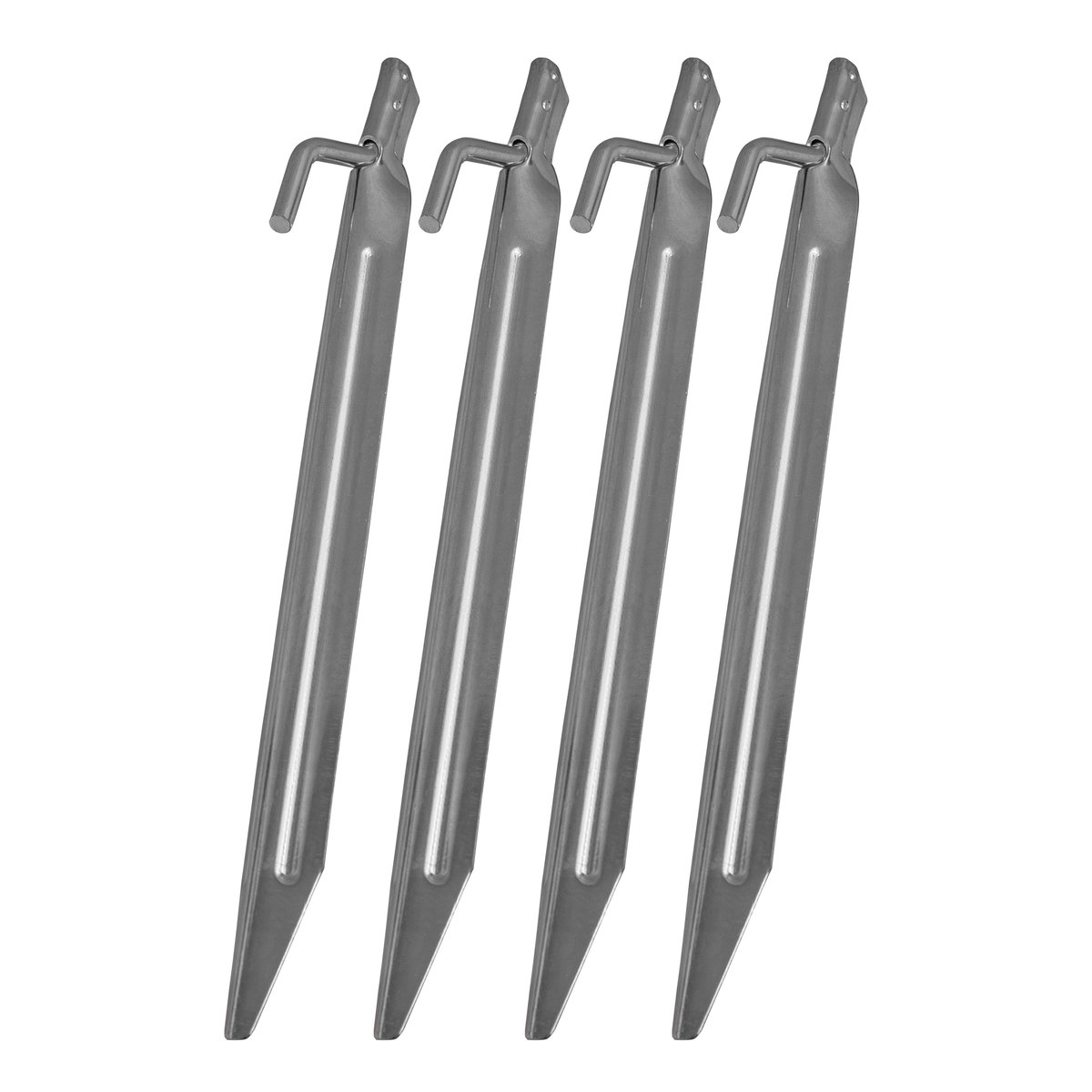
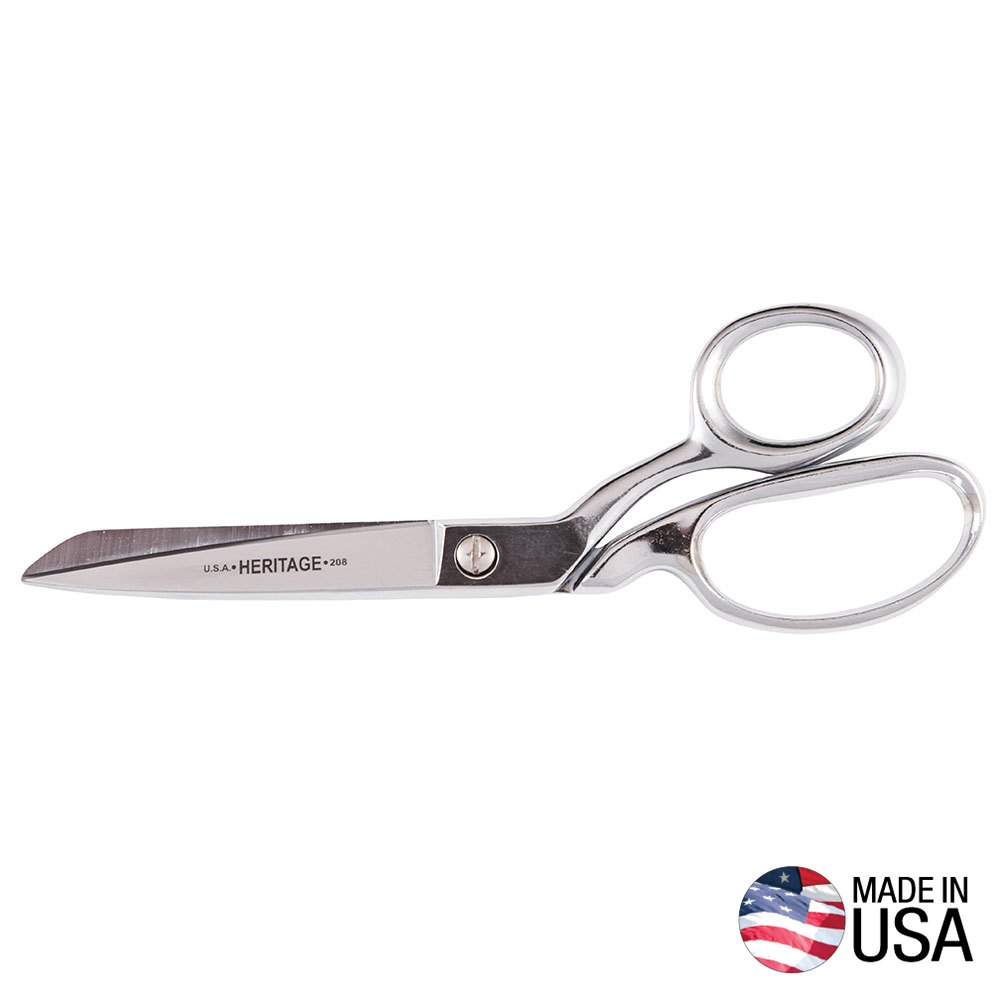
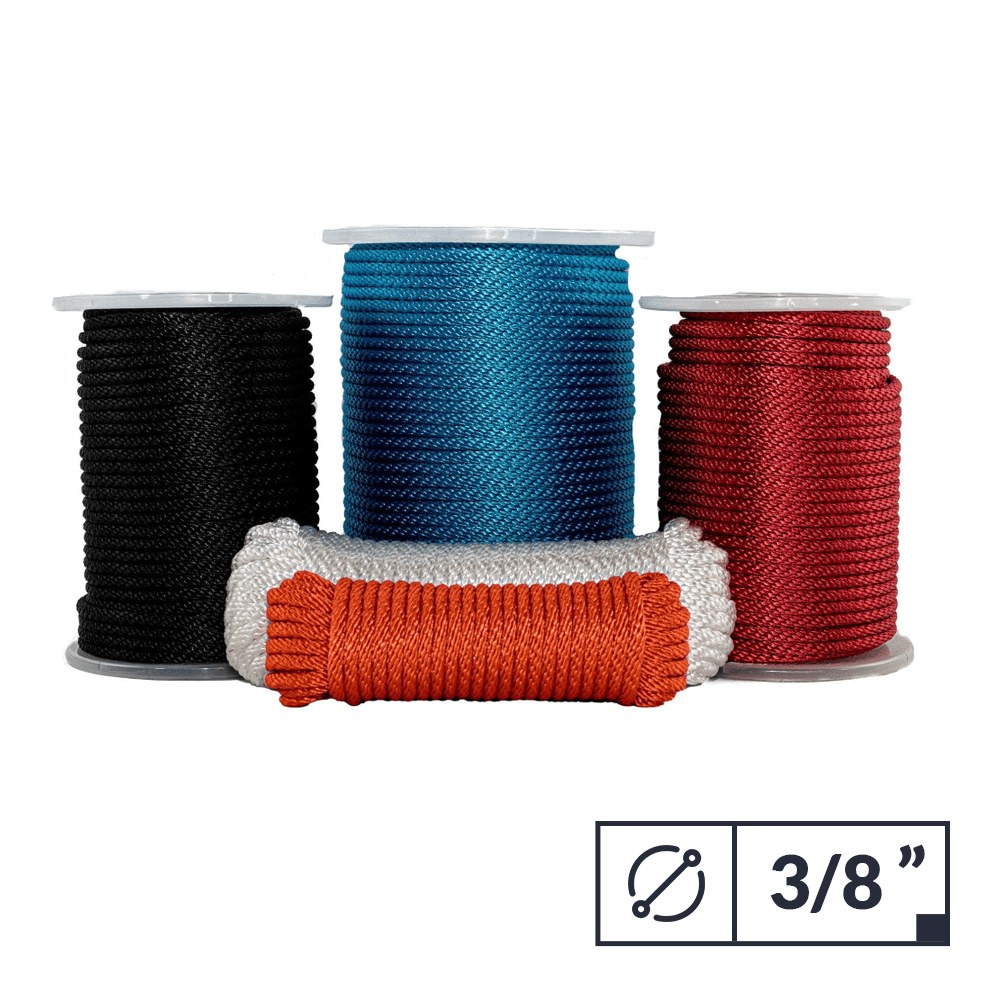
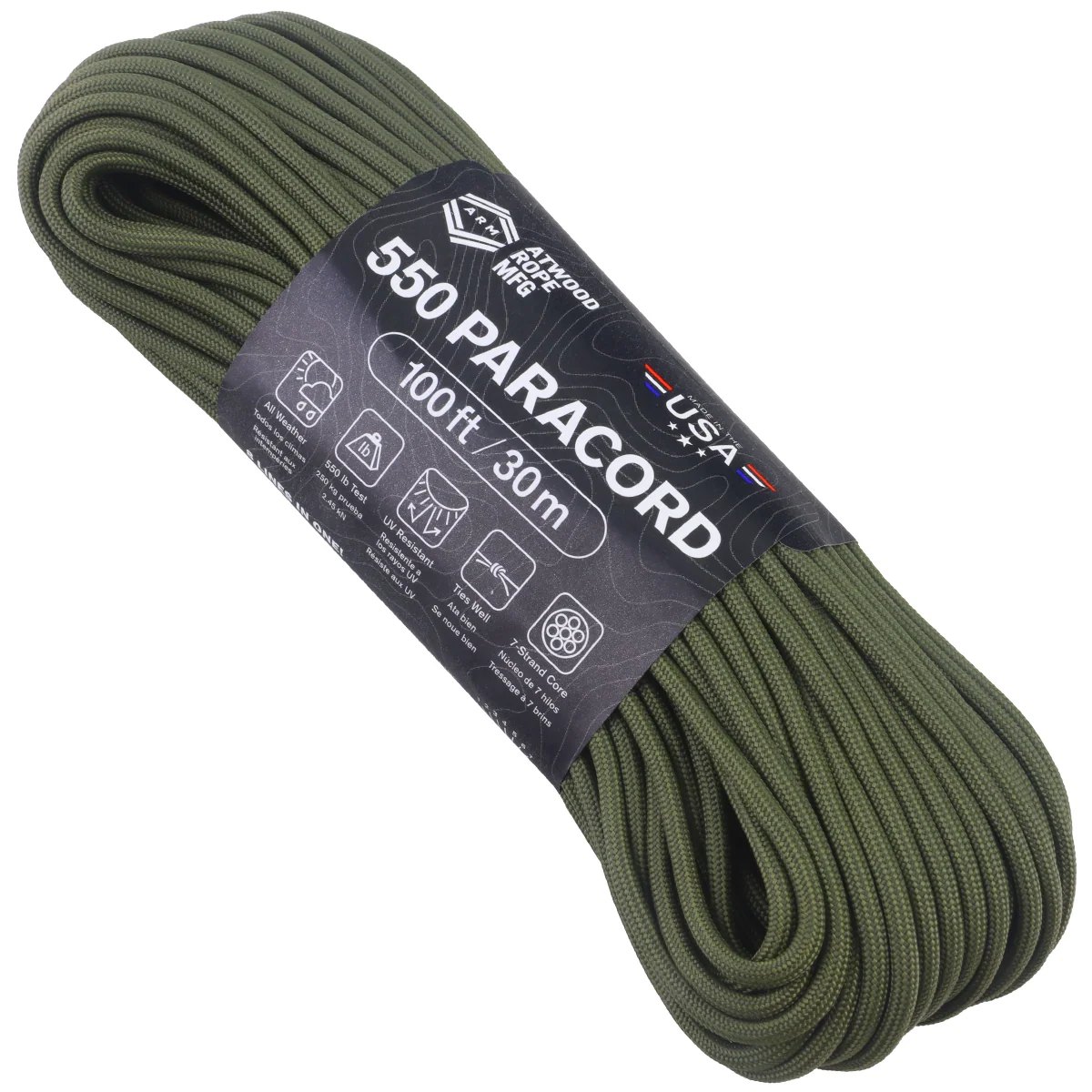
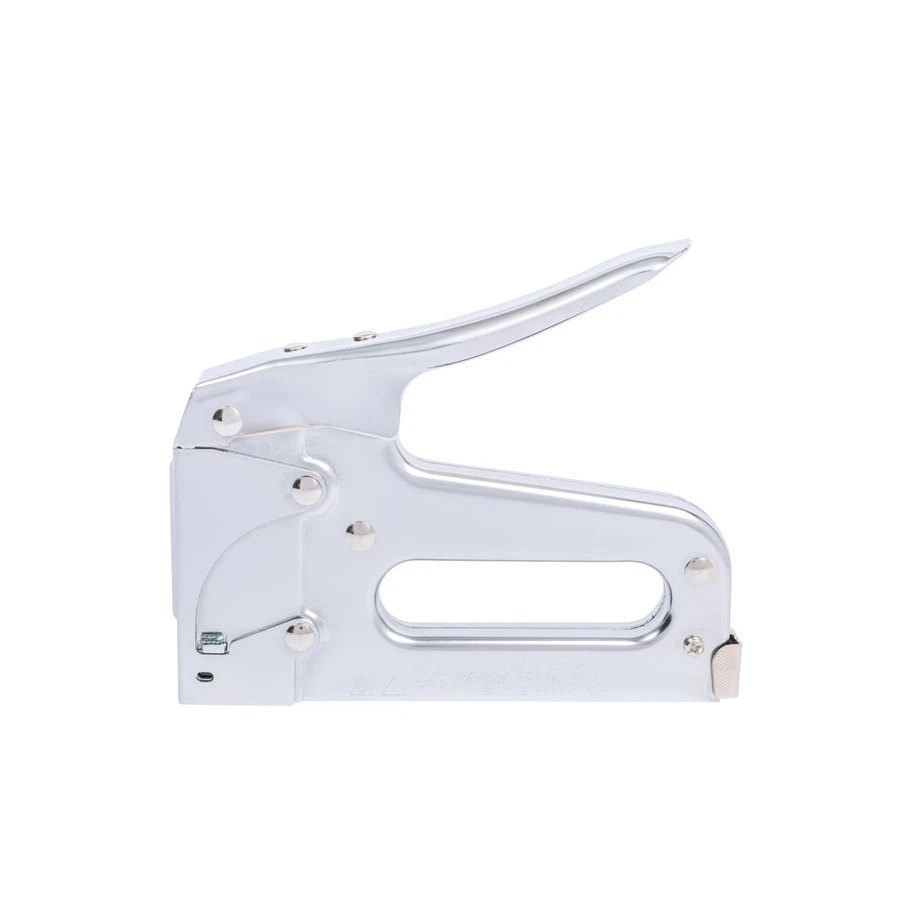
If you have to make shelter, a heavy tarp, steel stakes and cord make a lean-to or an A-frame, and the same tarp patches a storm-damaged roof. Plastic sheeting, duct tape and scissors are FEMA's shelter-in-place set.
Two warnings come first. Anything that burns fuel makes carbon monoxide, which has no smell and kills people in their sleep: never run a generator, grill or camp stove indoors. And a body temperature below 95 °F is a medical emergency, per CDC; shivering, confusion, fumbling hands or slurred speech mean get help.