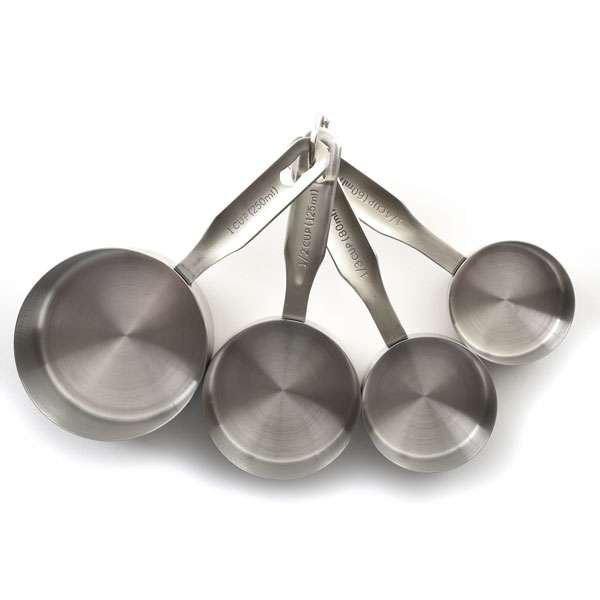
Measuring cups and spoons
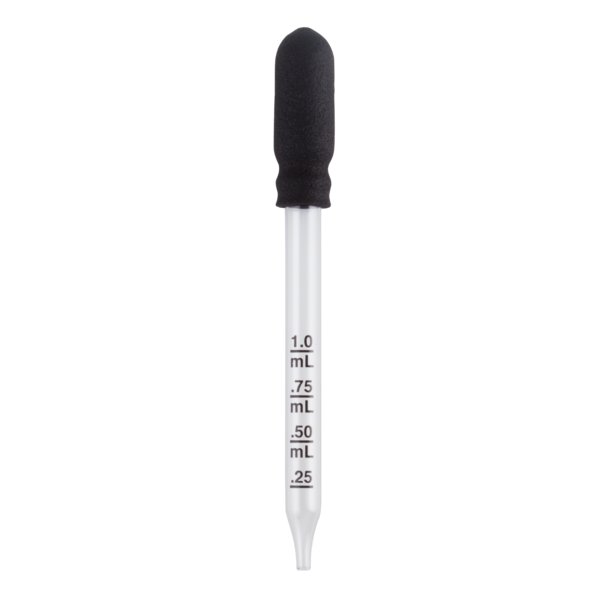
- US + metric marked on every piece, per Norpro
- Stainless steel; bleach rinse and boiling water are fine
When the water stops, the toilet stops. A plan for waste, clean hands and the rats is what keeps a household well.
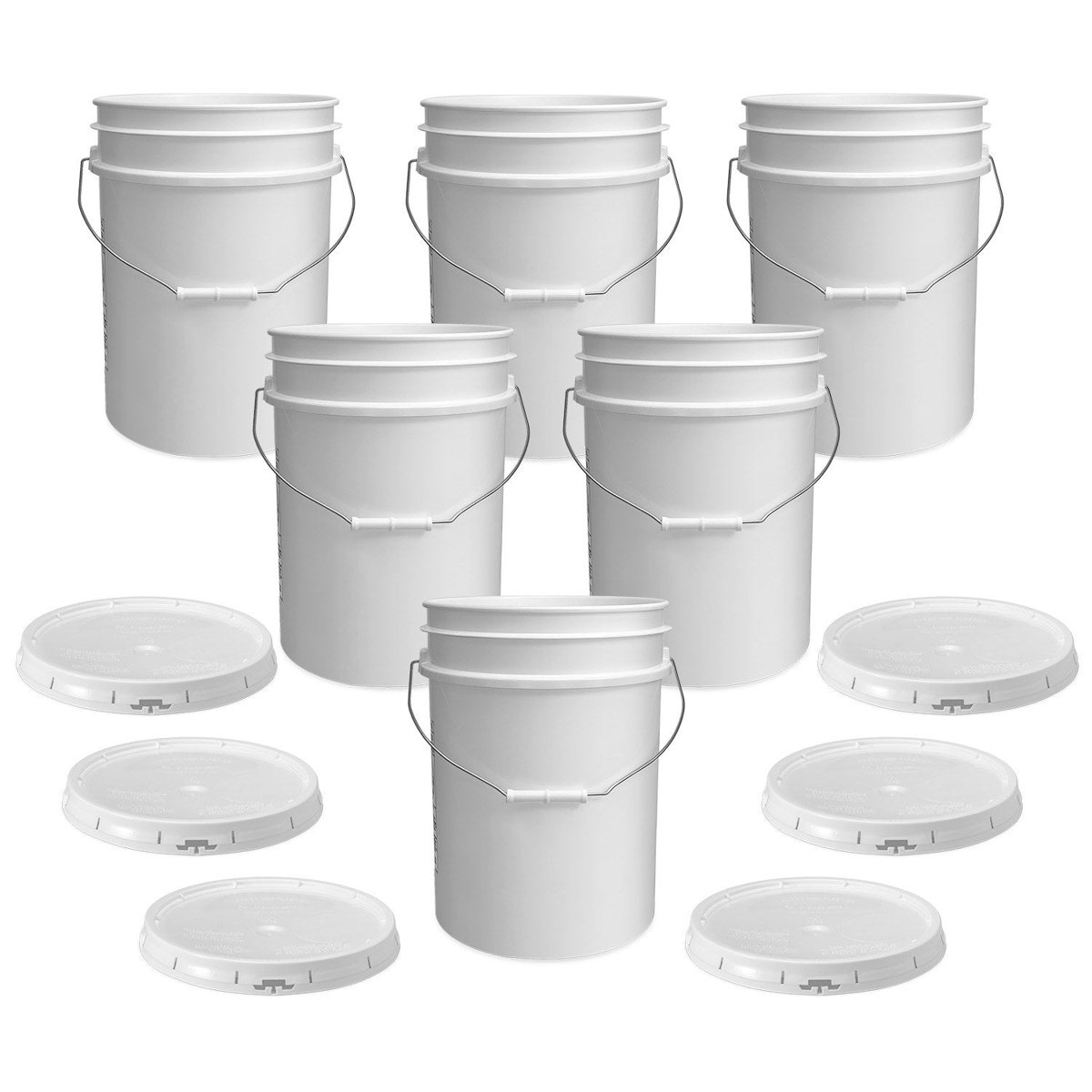
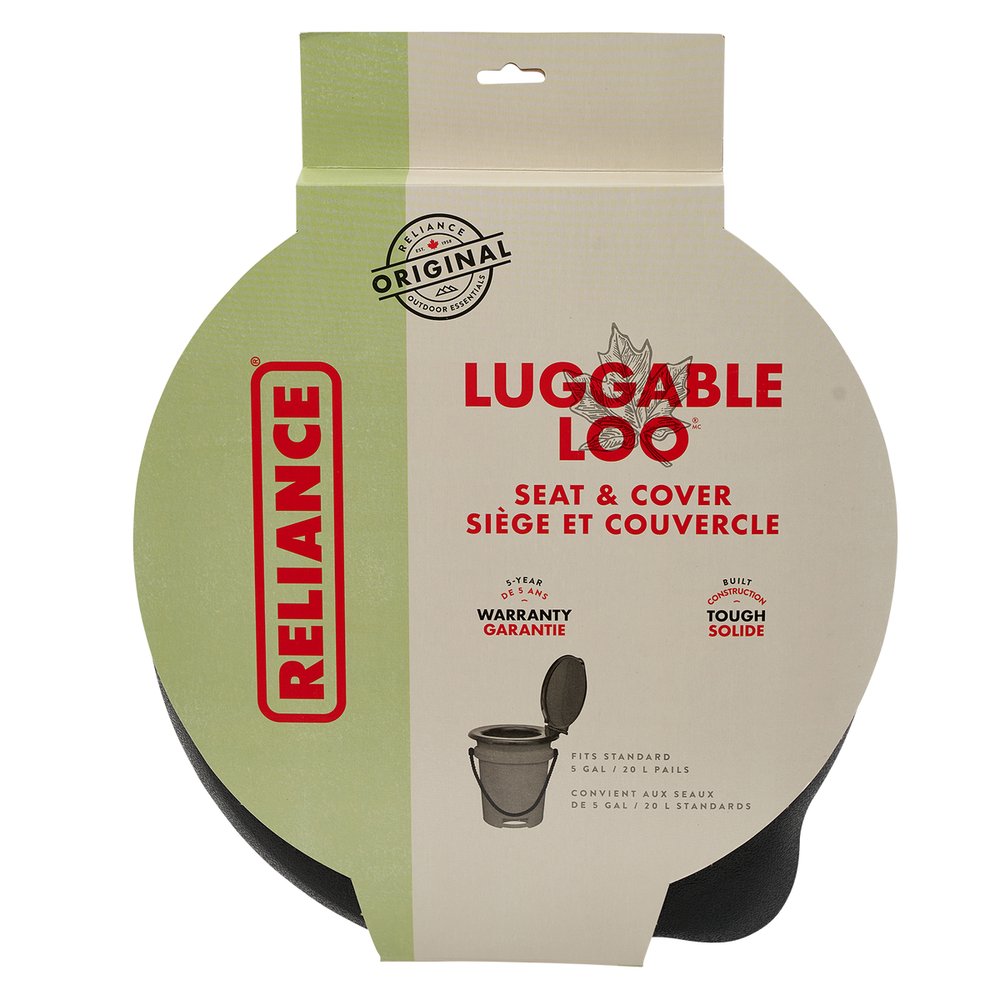
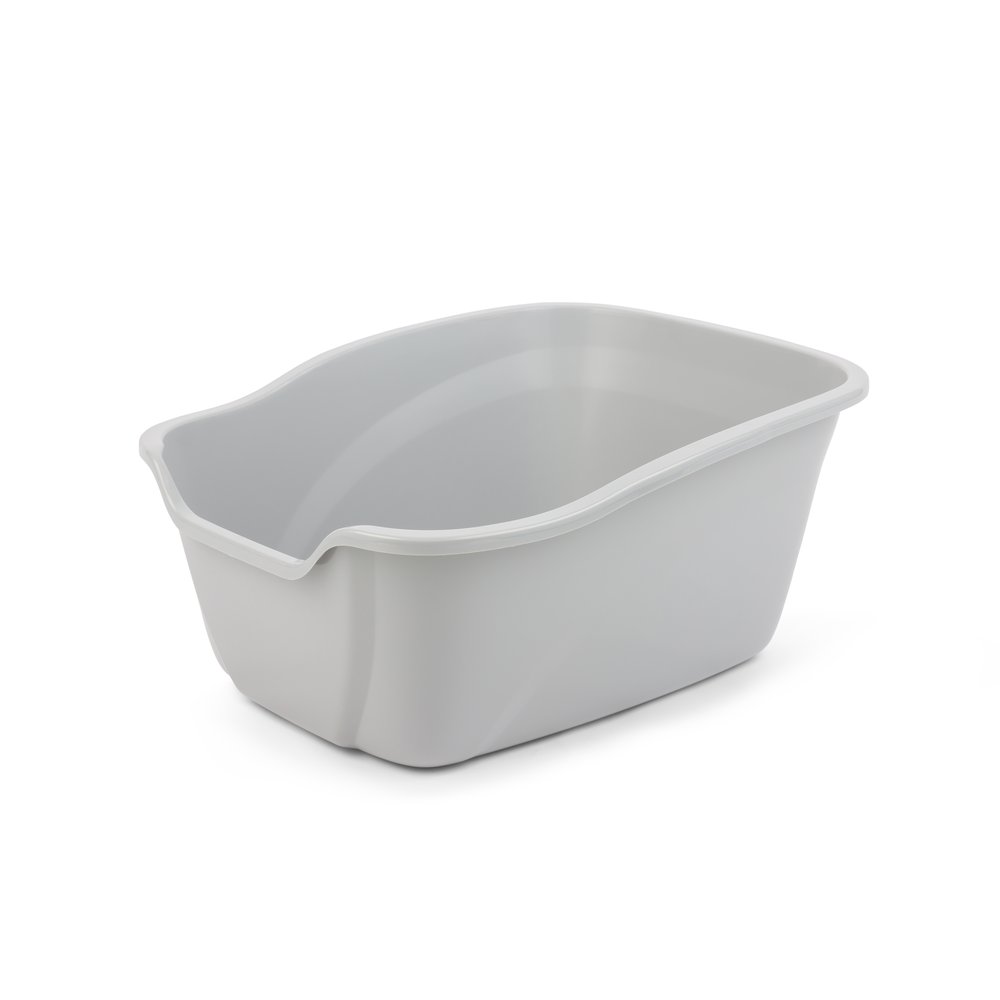
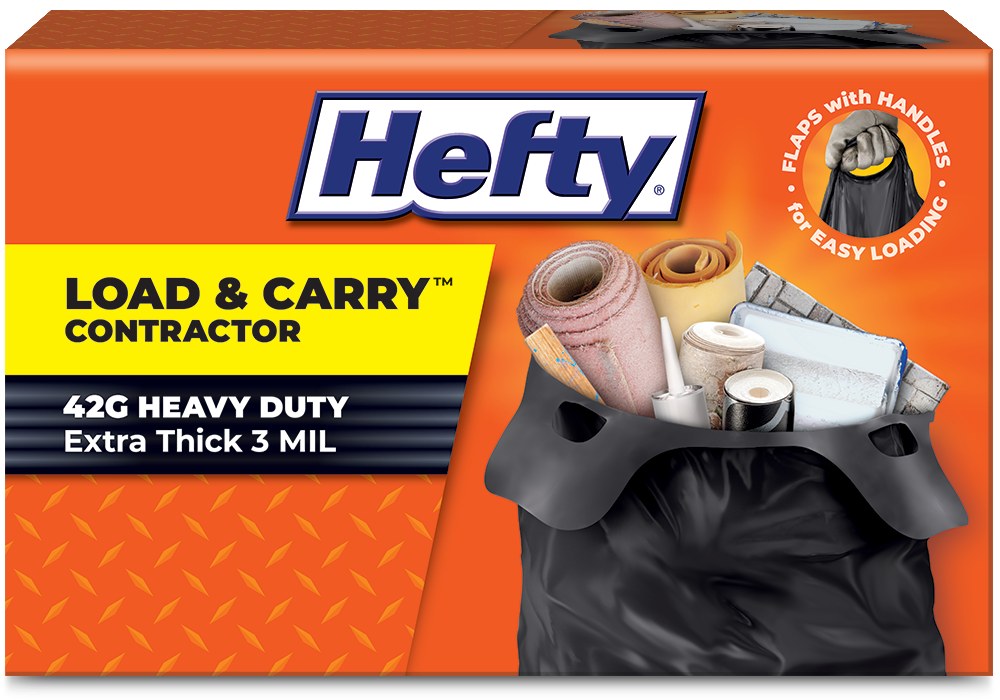
Diarrheal disease spreads fast when human waste is not contained, and it is one of the first things to go wrong after a disaster: the water is off, the sewer is damaged, and the toilet cannot flush. City and regional emergency planners now teach a simple answer, the twin-bucket toilet, developed in Christchurch, New Zealand after the 2011 earthquakes and adopted by the Portland, Oregon area planners. Urine goes in one bucket, feces in the other with a scoop of sawdust or shredded paper over each use, and the bags are tied off half full and stored until officials collect them.
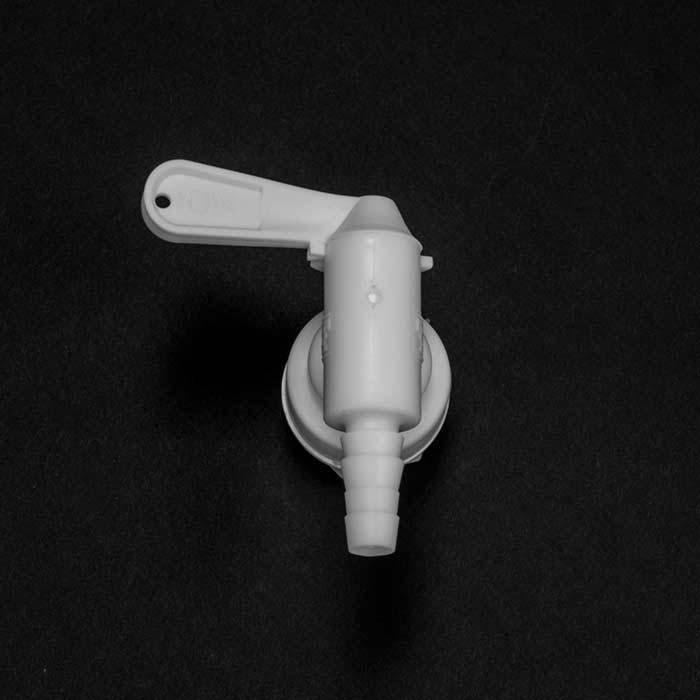
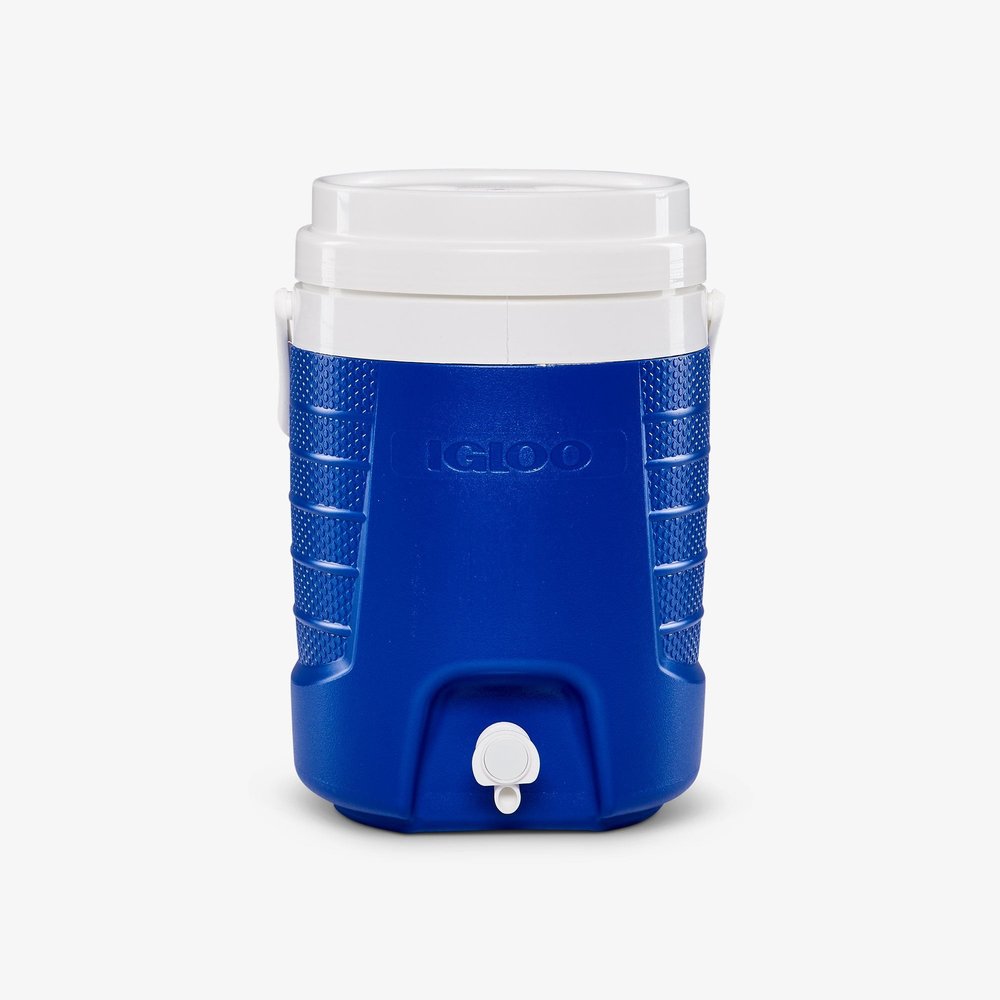
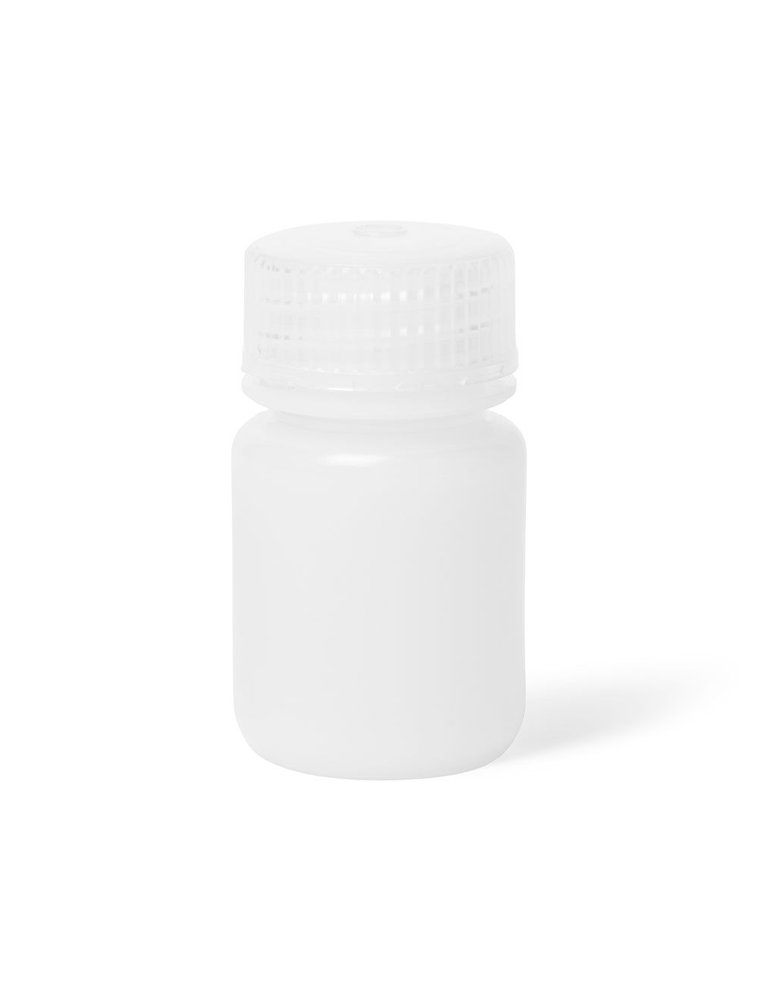
Handwashing is part of every method, not an afterthought. CDC's advice is soap and water, or a hand sanitizer of at least 60 percent alcohol when hands are not visibly dirty. A jug with a push-button spigot and a bar of soap gives a household running water again. Bleach mixes for surfaces are made fresh each day, in labeled bottles nobody will drink from.
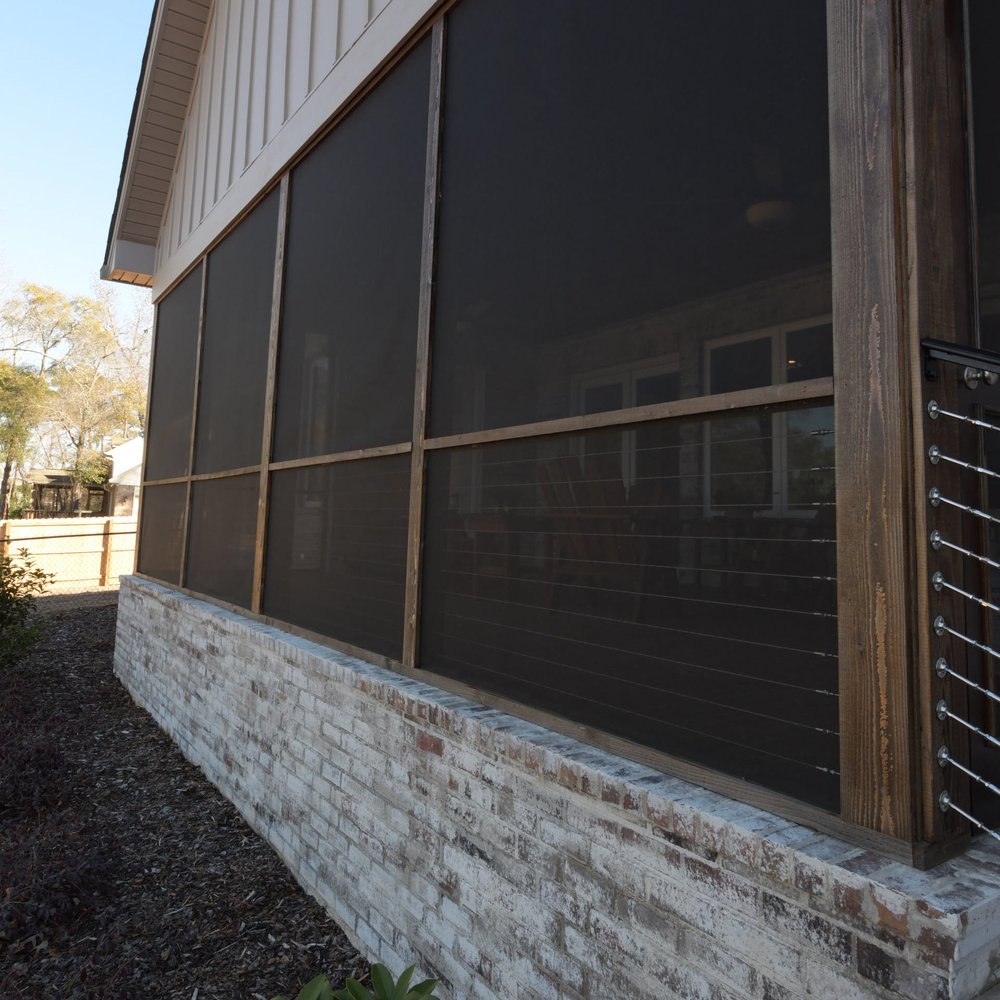
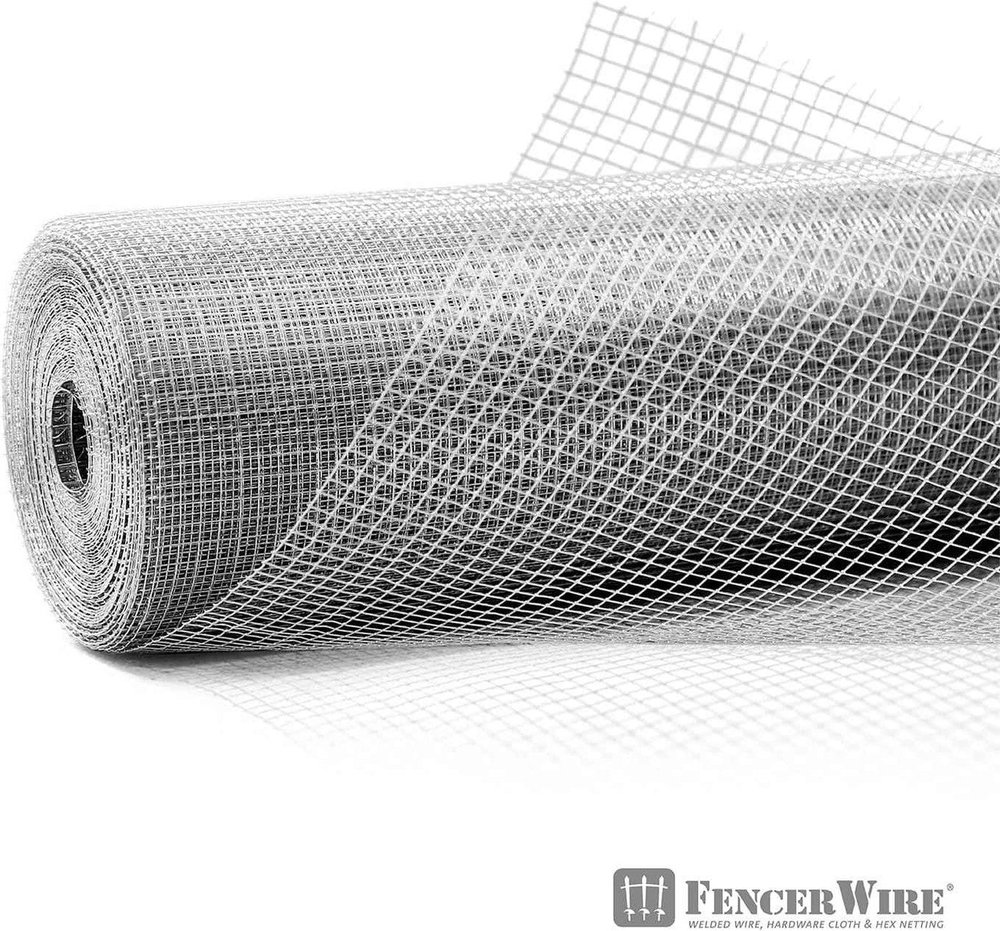
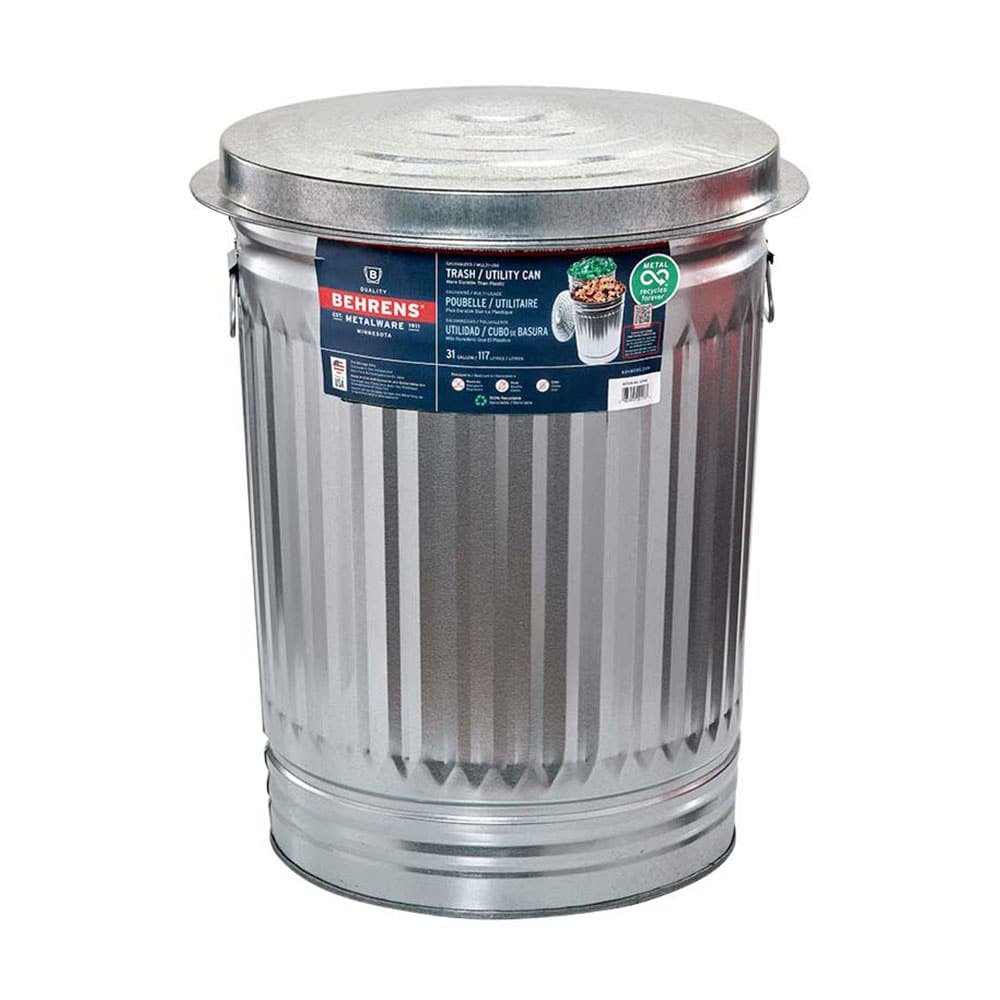
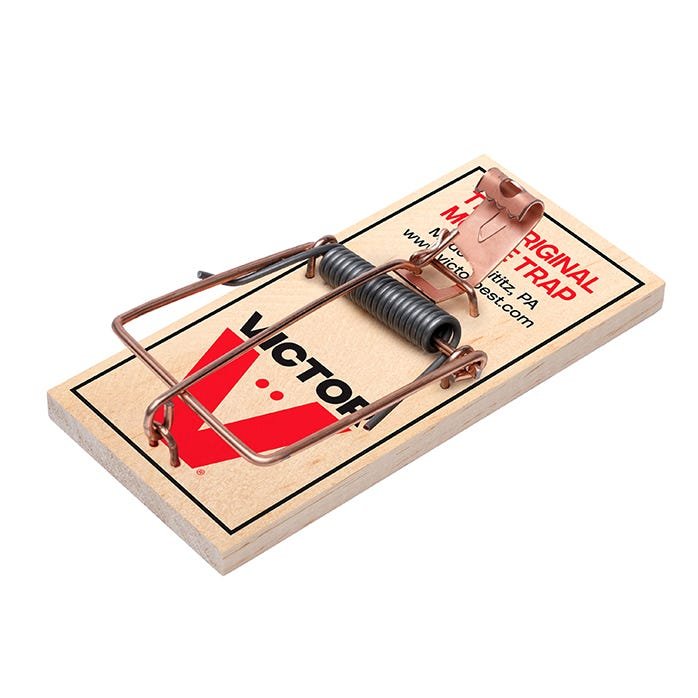
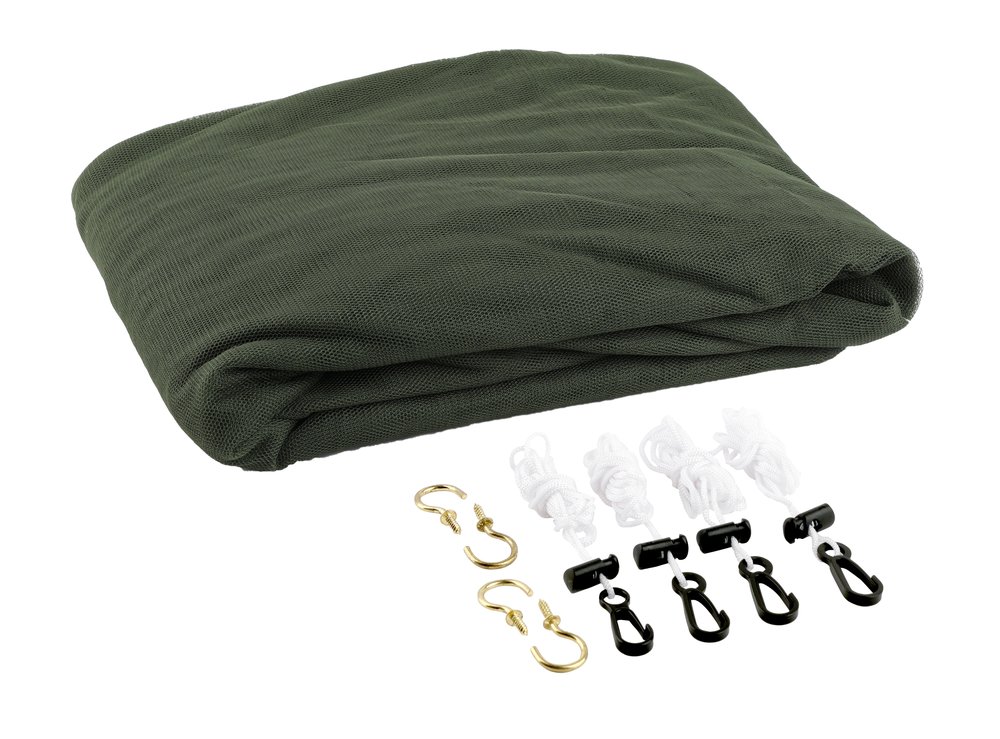
Then the pests. Rats chew through thin plastic bins and bags, so garbage and feed go in metal cans with tight lids. Mosquitoes breed in standing water in about a week, so cover every bucket and barrel with screen and sleep under a net when the window screens are gone. Indoors, trap rodents rather than poison them.
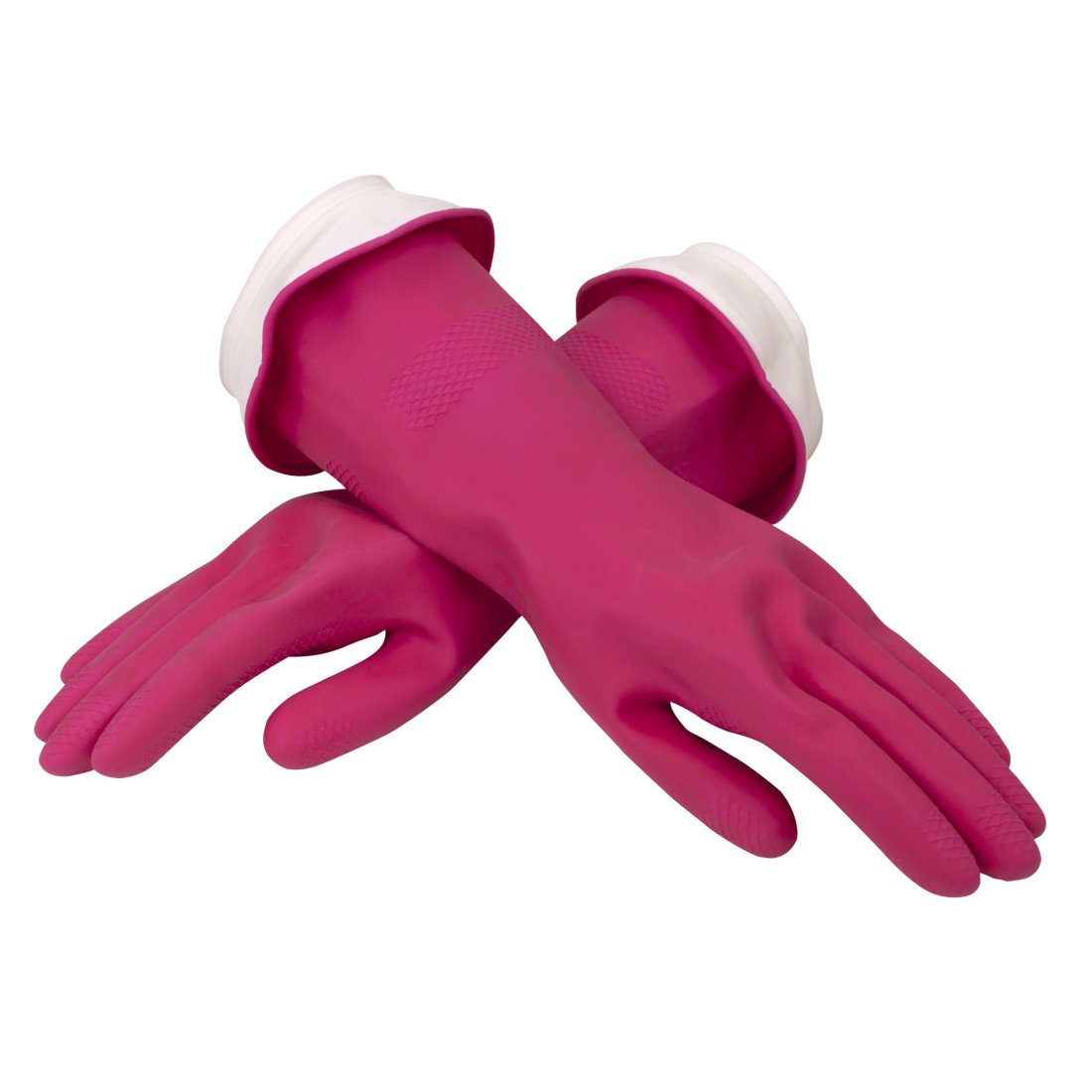
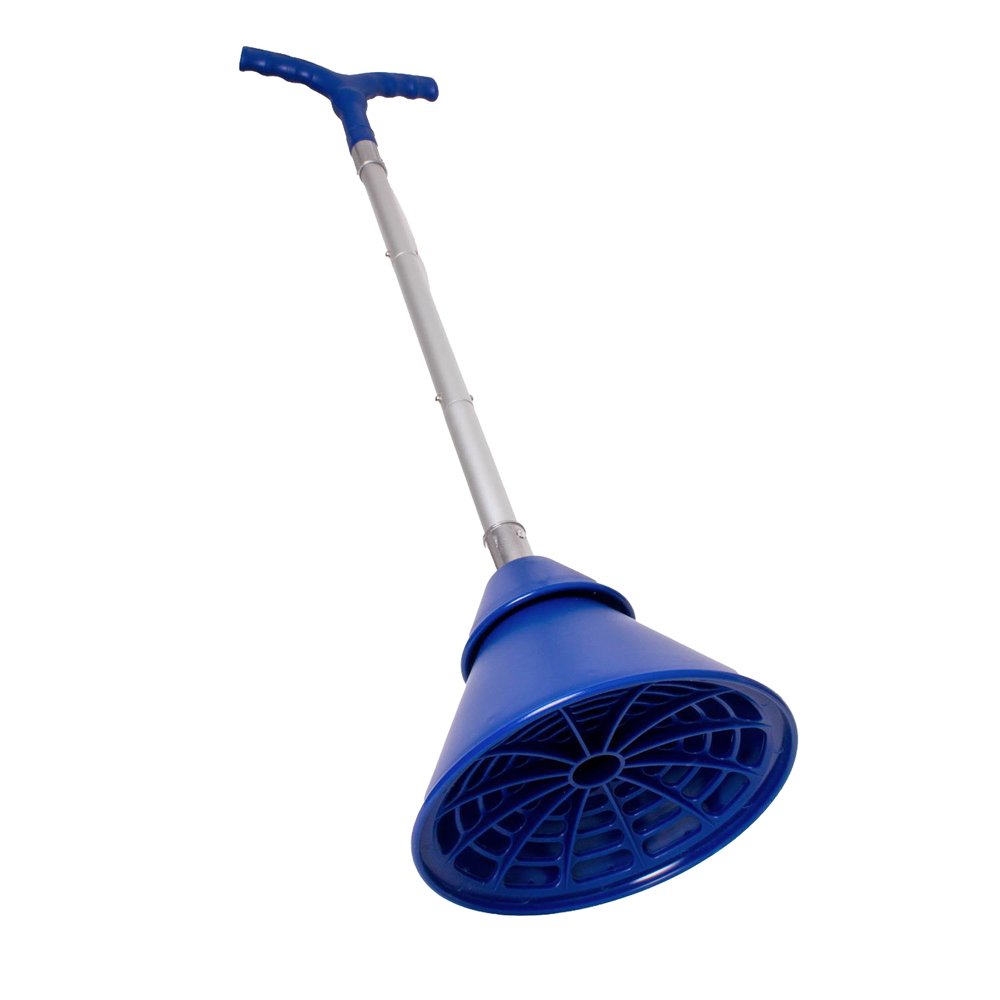
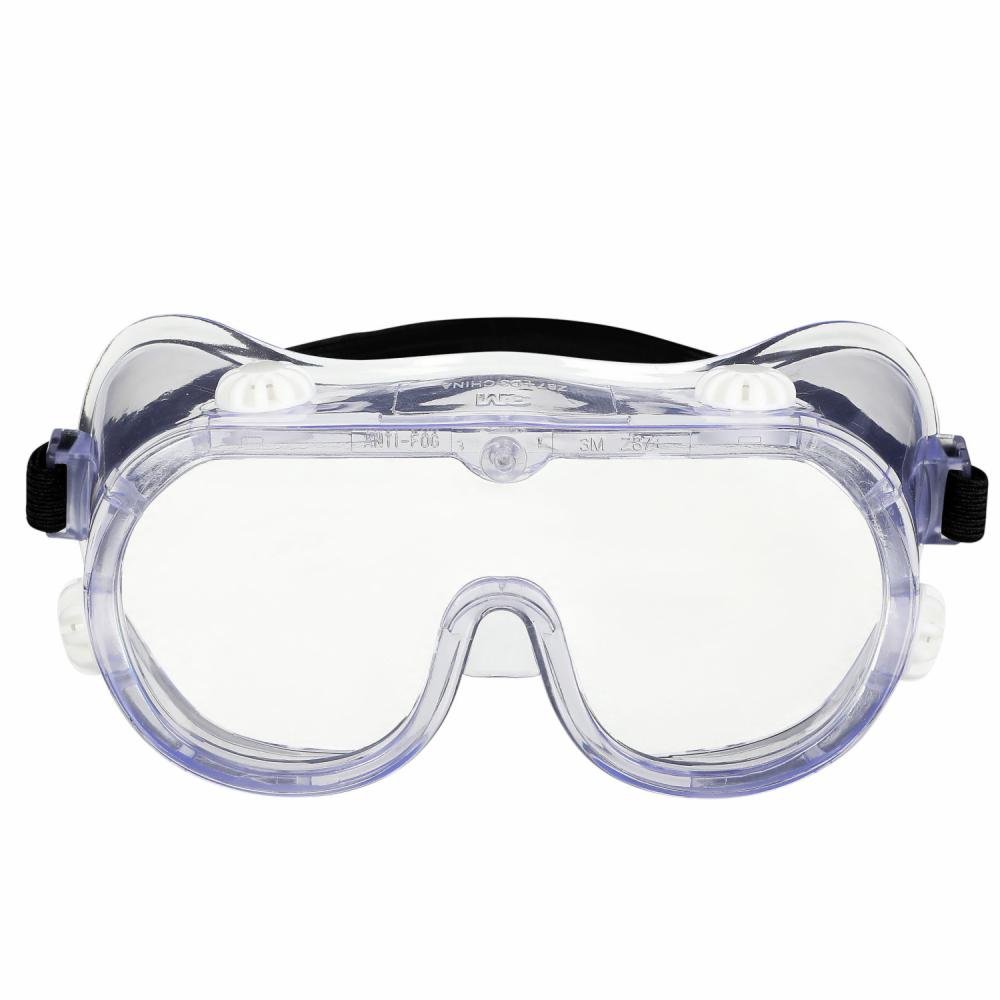
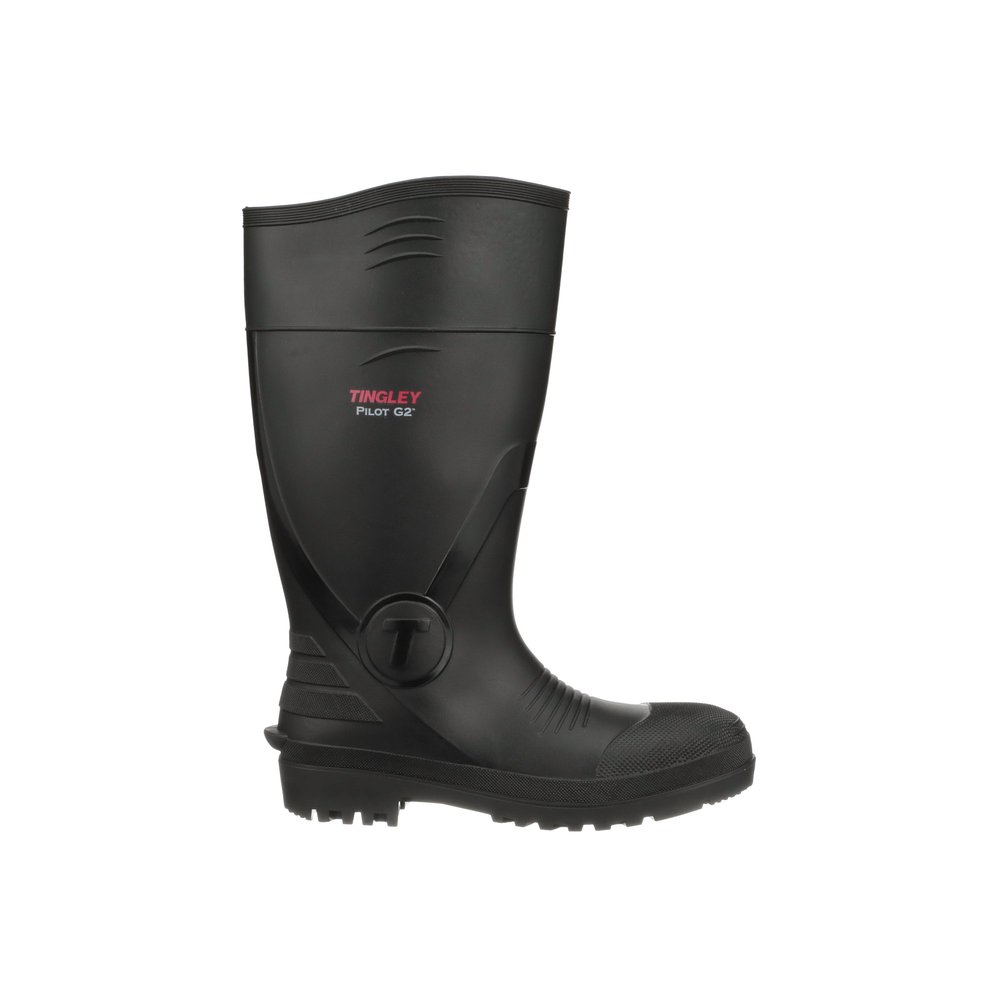
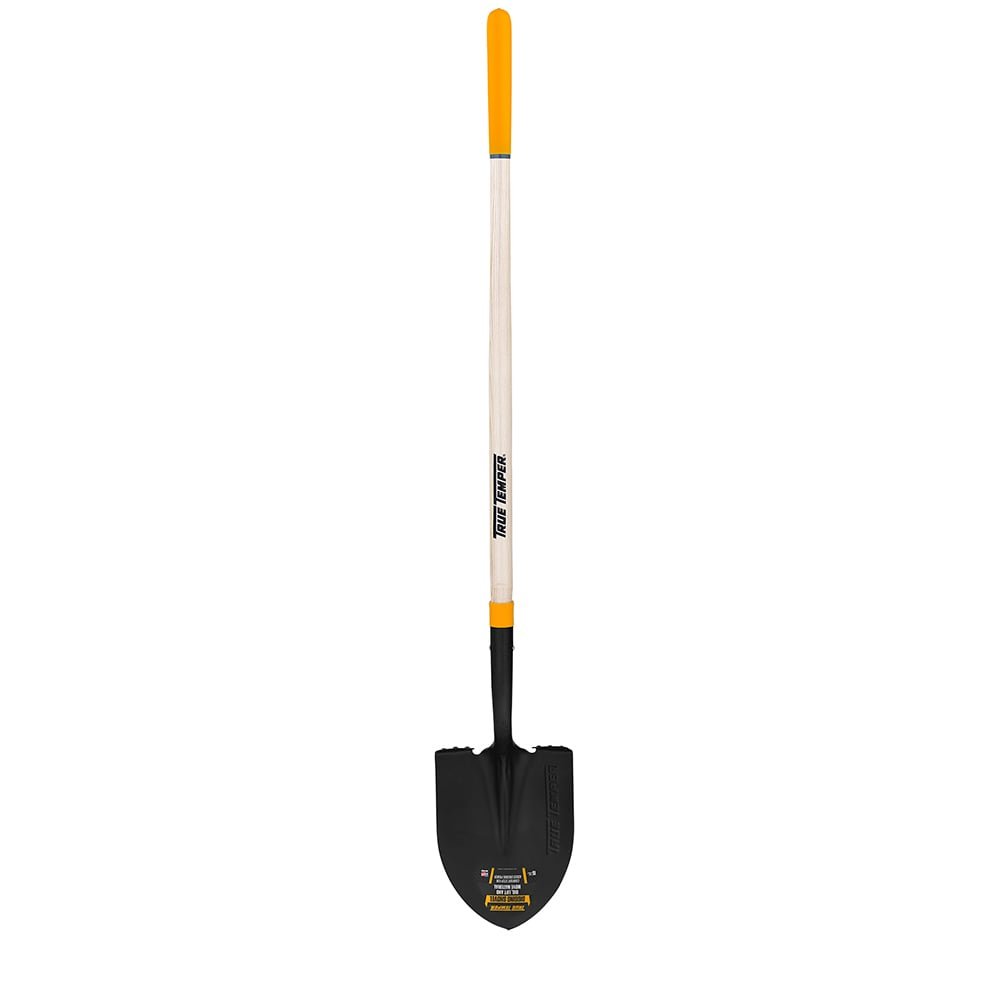
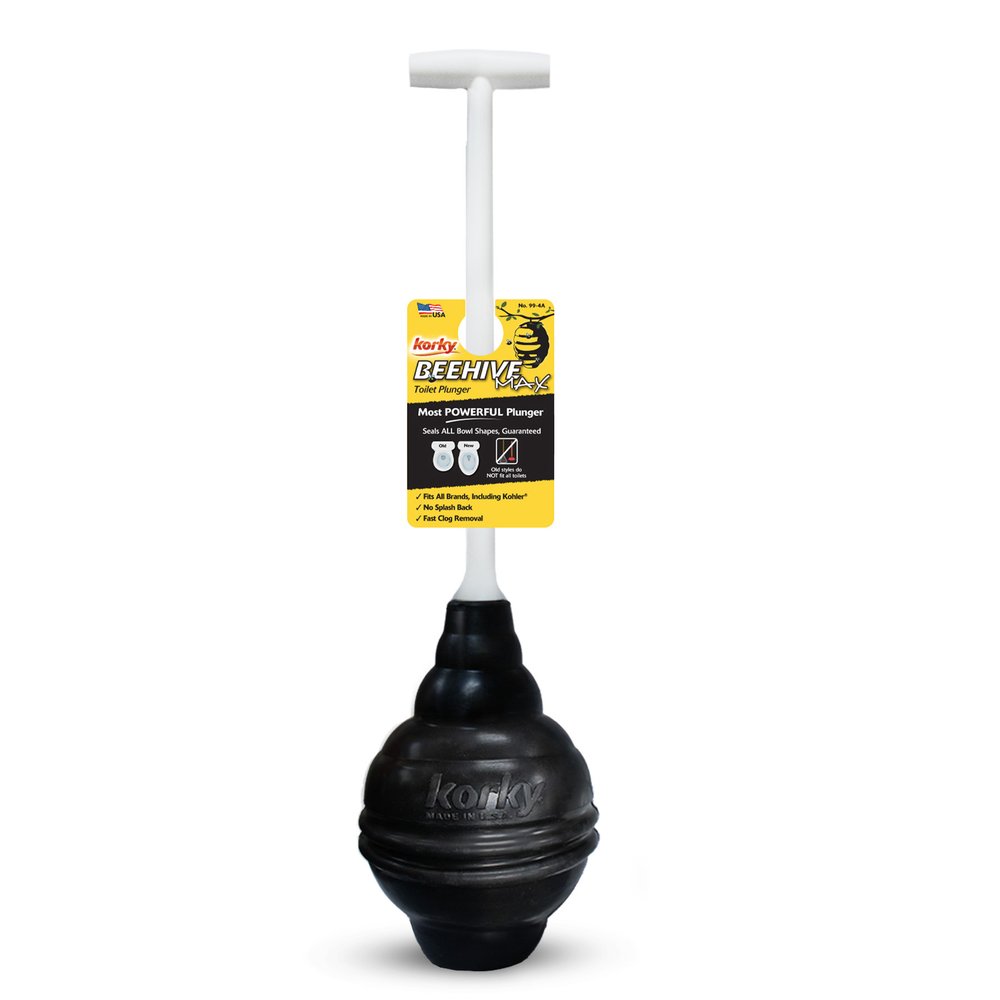
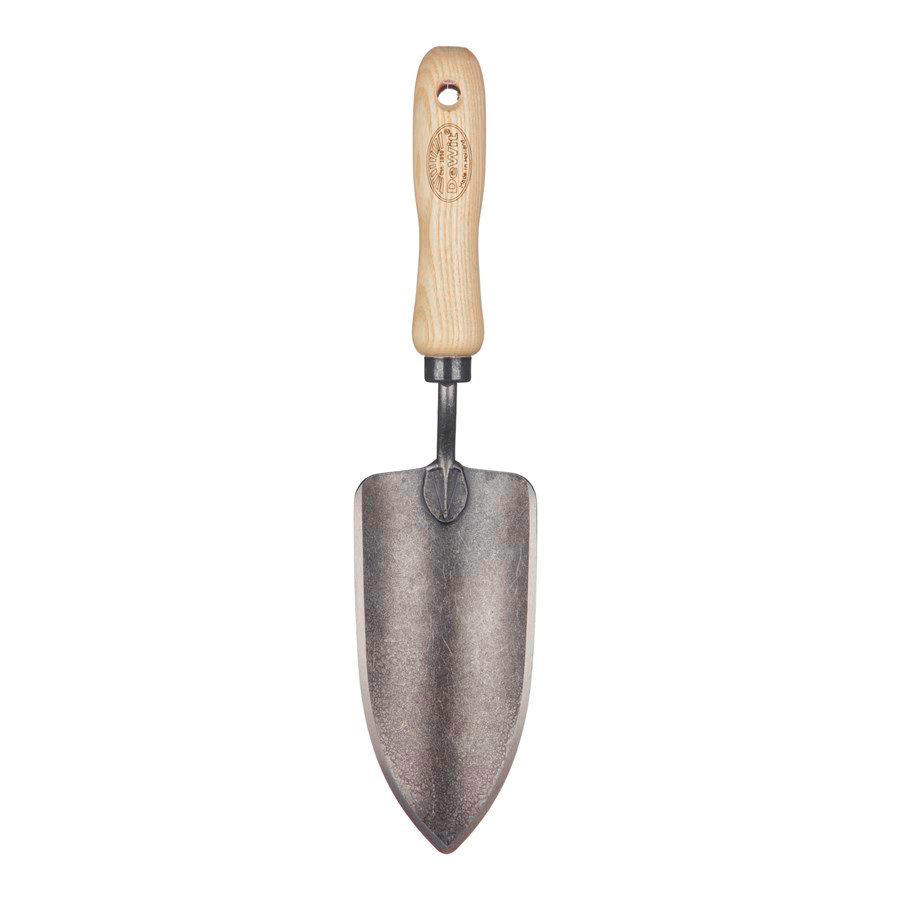
The gear here is cheap and none of it needs power: buckets and a seat, cover material and a scoop, soap and water, bleach and bottles, a shovel, boots and goggles for the dirty jobs.