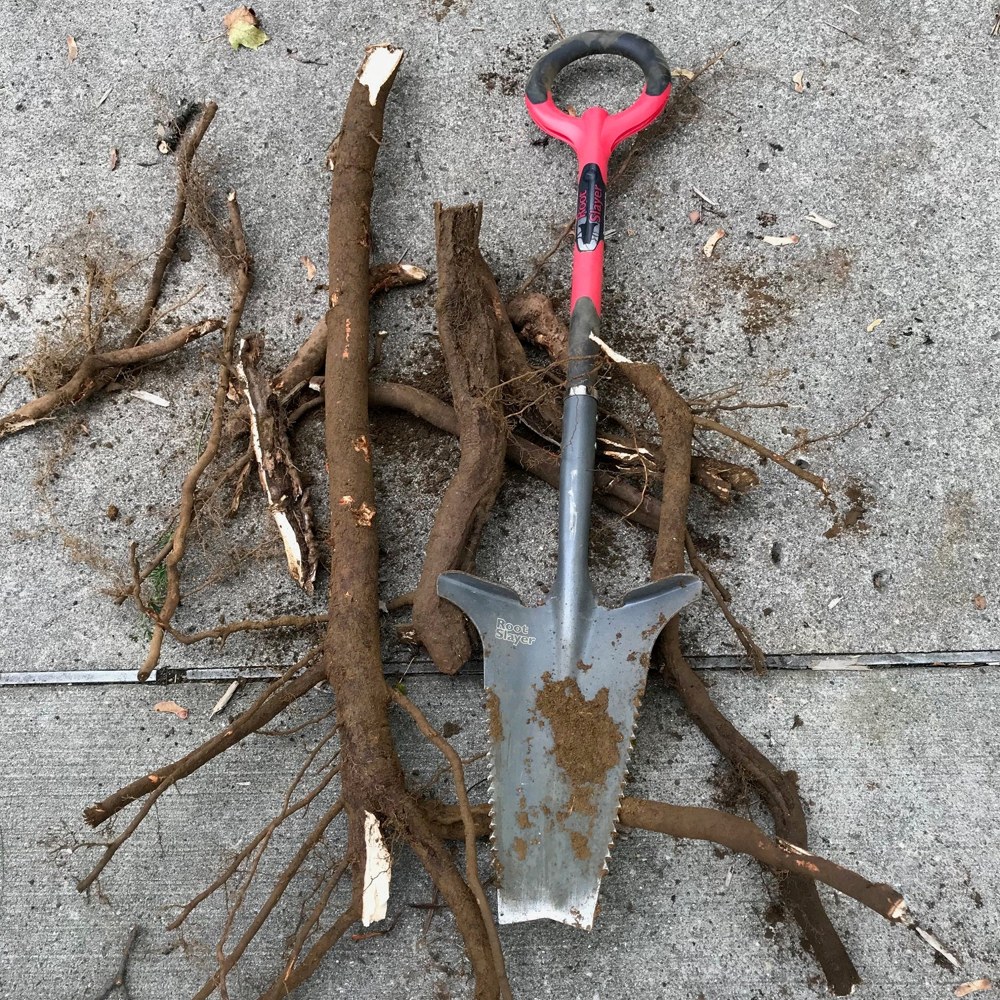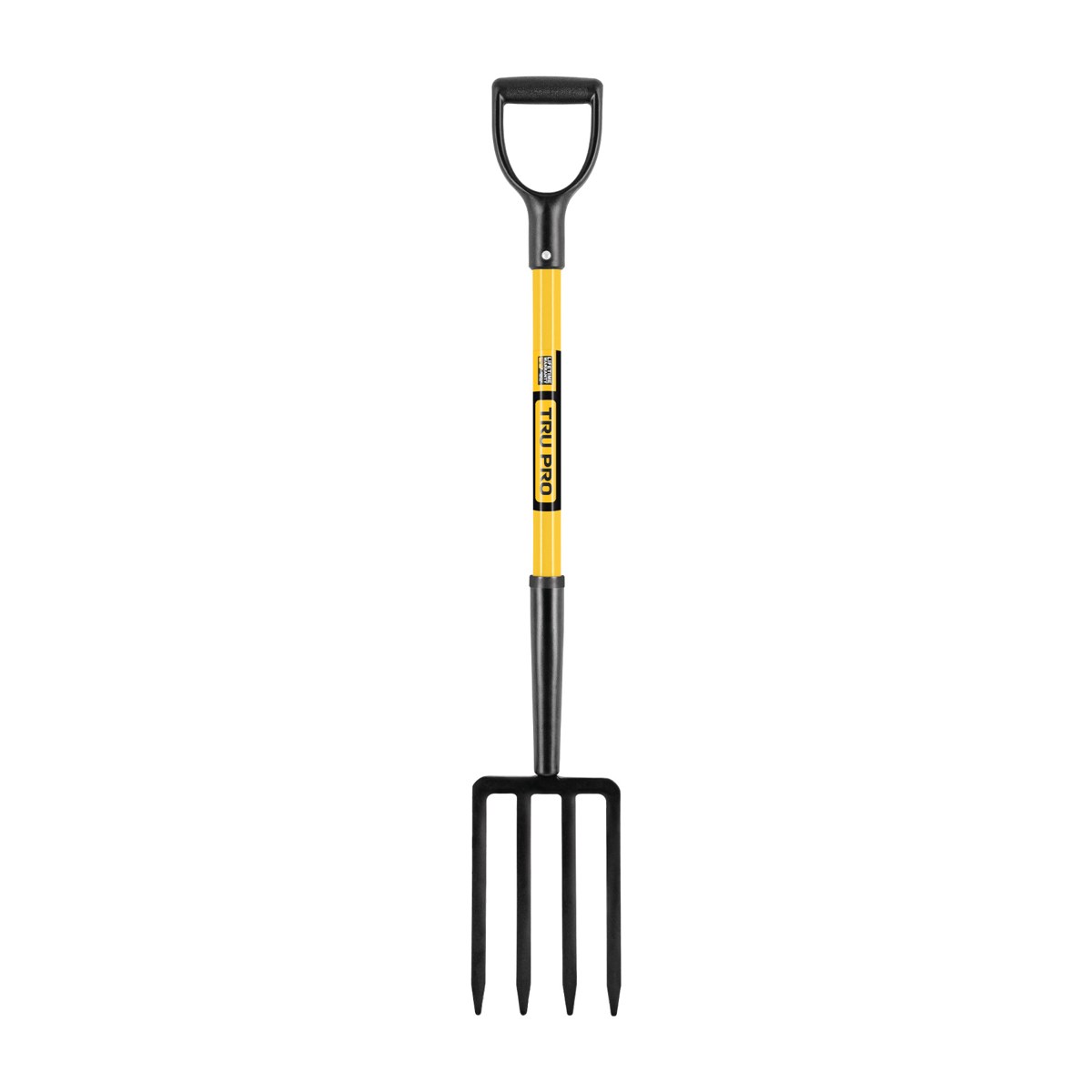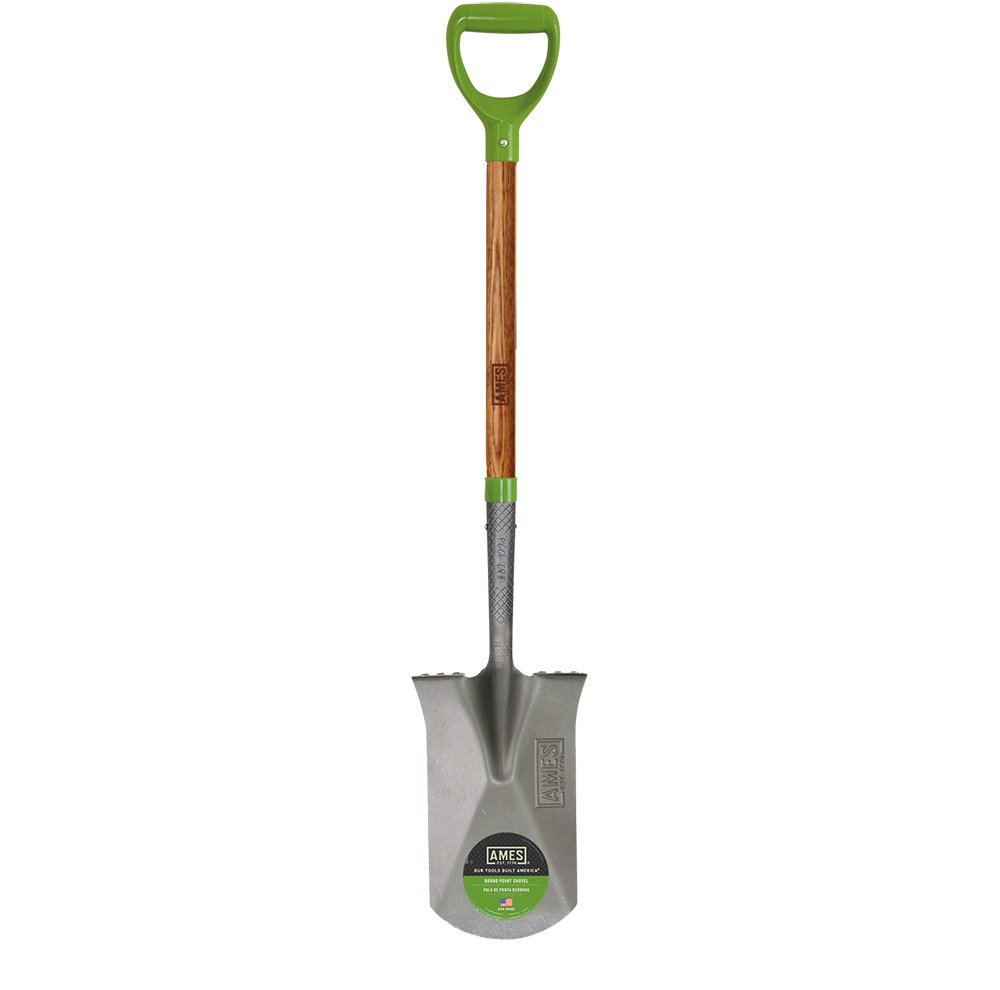
Garden spade
- Tempered steel blade, comfort step, D-grip, per AMES
Stored food runs out. A garden comes back every year. These are the tools that make it feed you.
Most of what grows in a vegetable garden is water. Our garden plan leans on the few crops that are dense in calories, yield heavily and keep for months without a freezer: potatoes, winter squash, dry beans, flour corn, cabbage, carrots, beets, onions, with kale for the vitamins. A 500 to 1,000 square foot garden per person, which is what most yards allow, will not replace the pantry, but by our arithmetic it covers roughly 8 to 38 percent of a person's calories and most of the vitamins, and it stretches stored food by months.
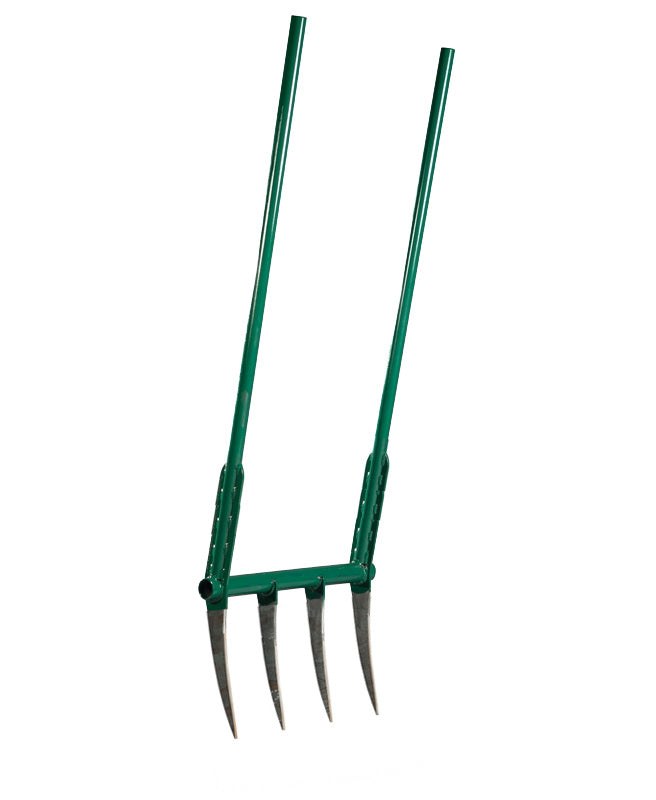
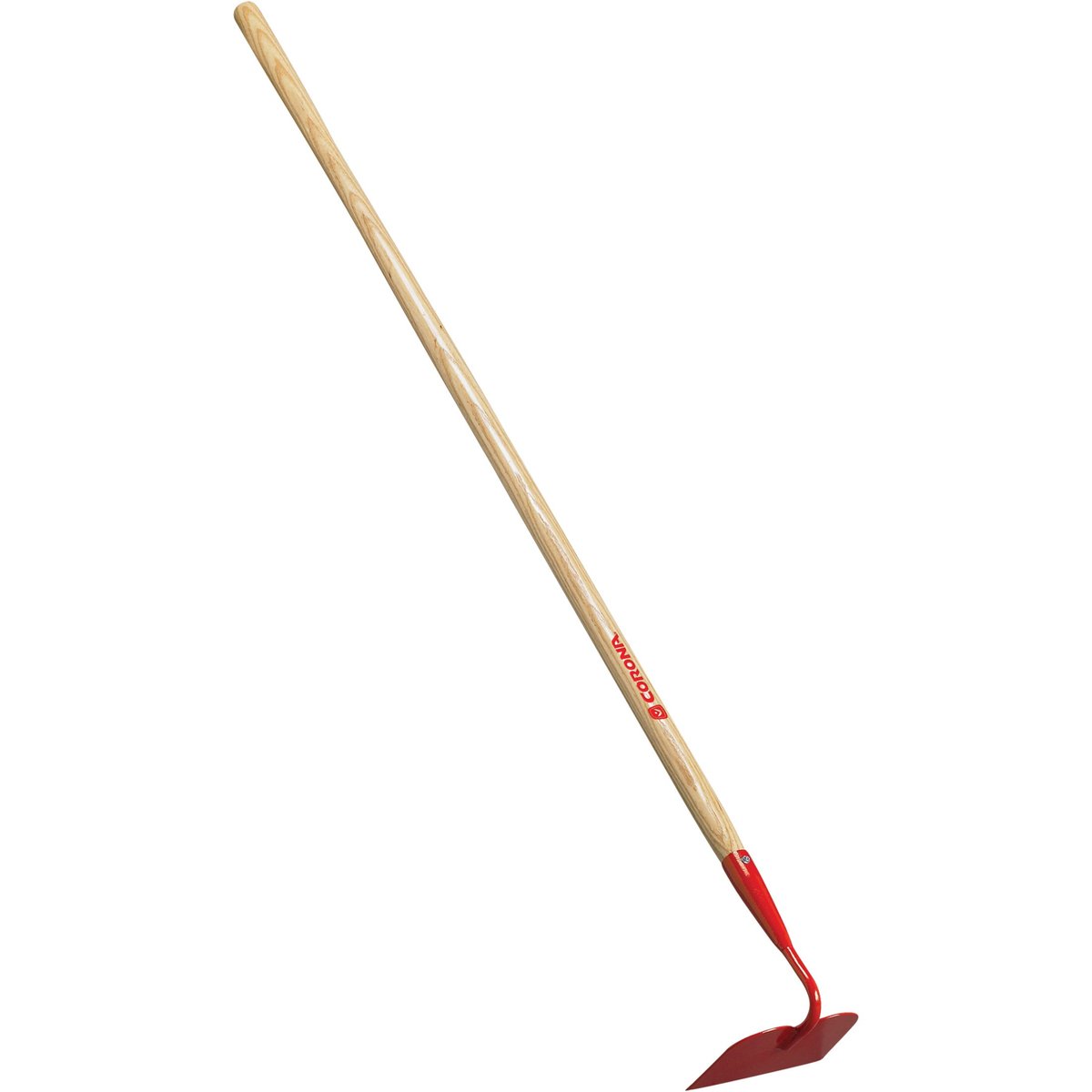
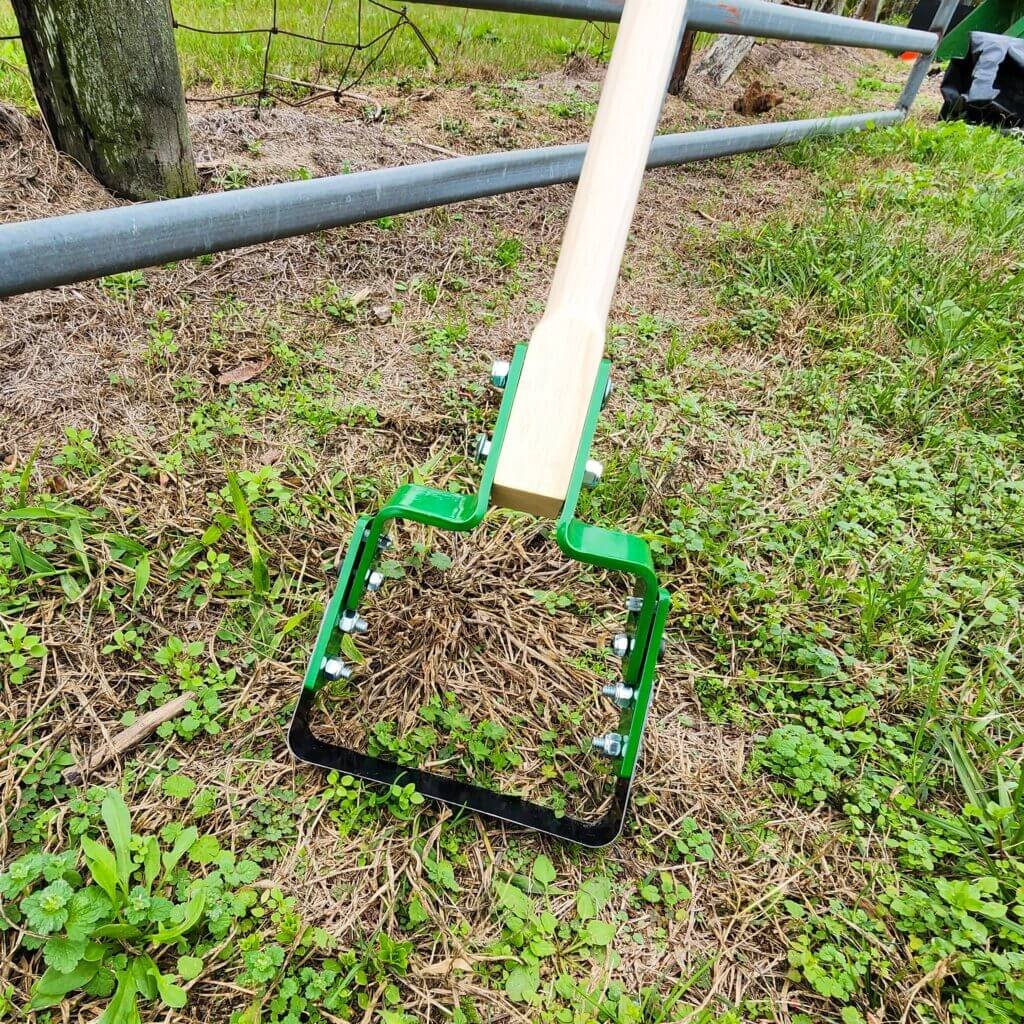
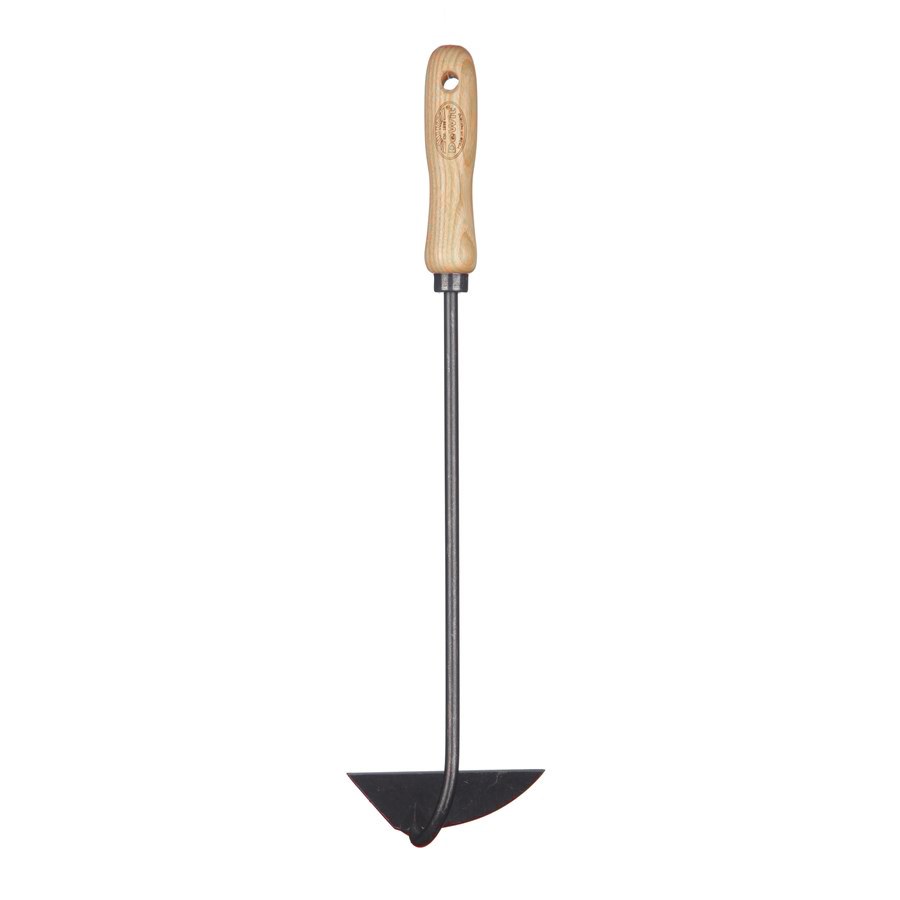
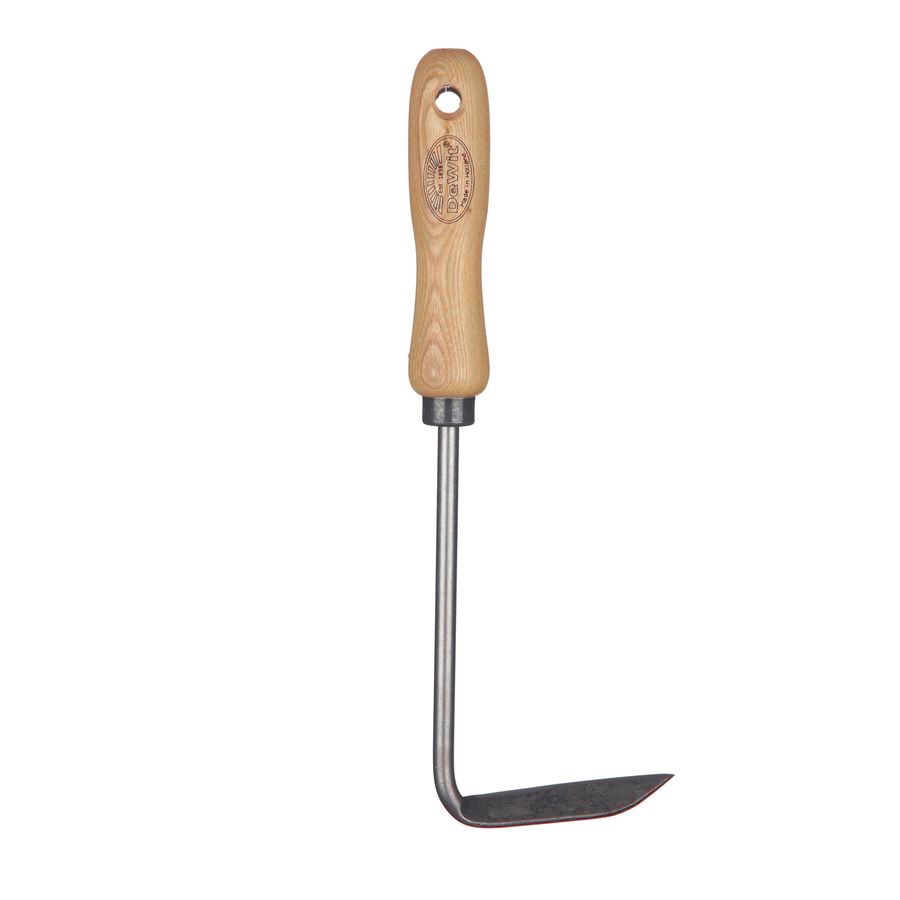
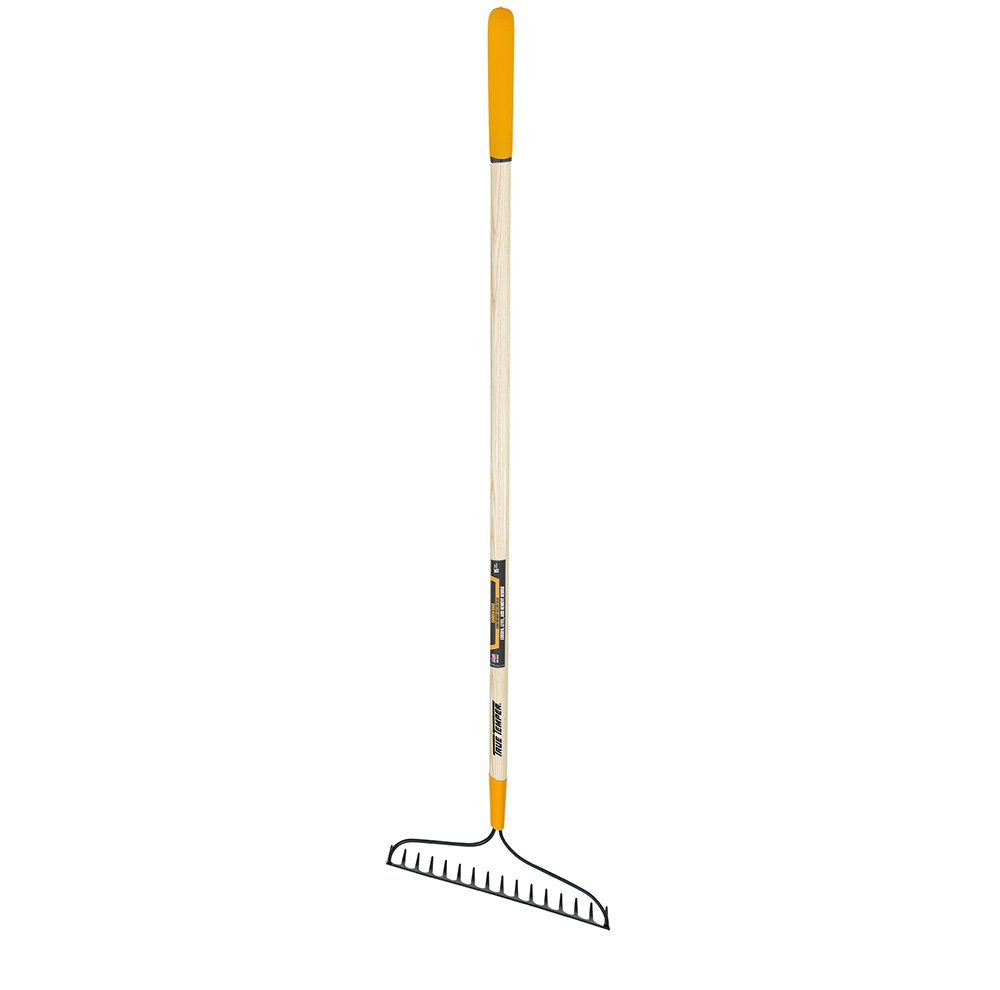
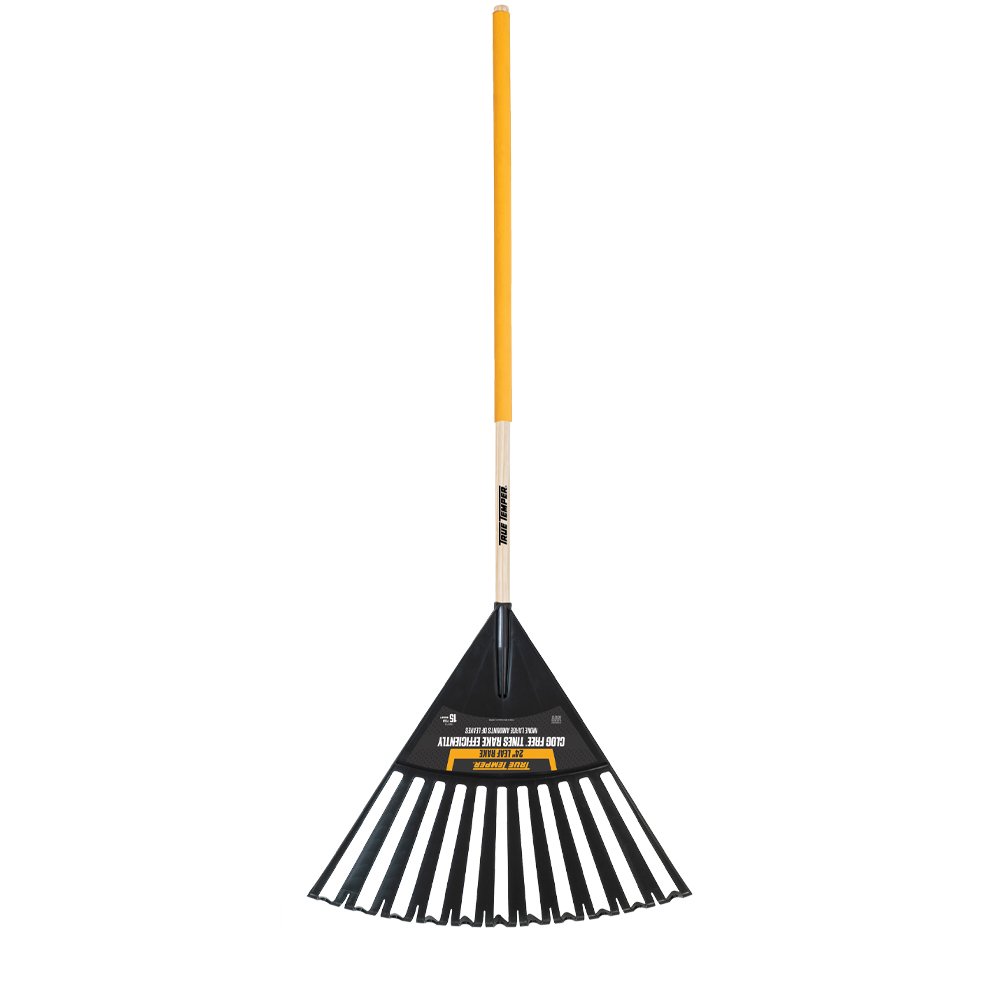
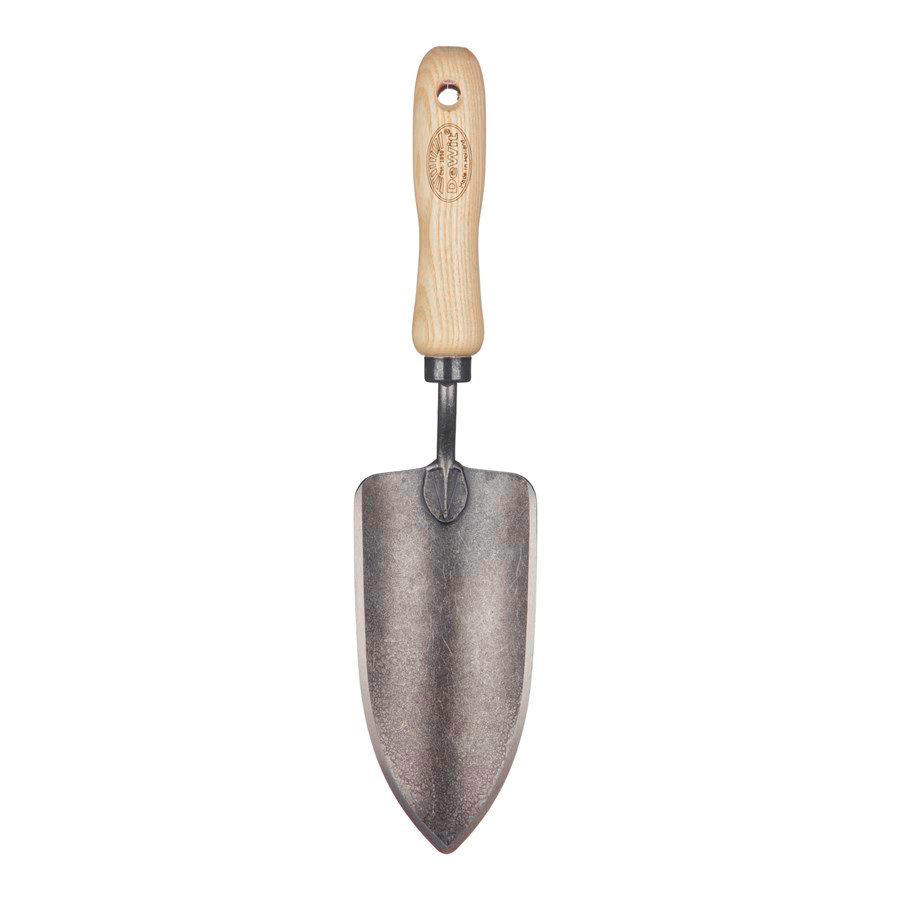
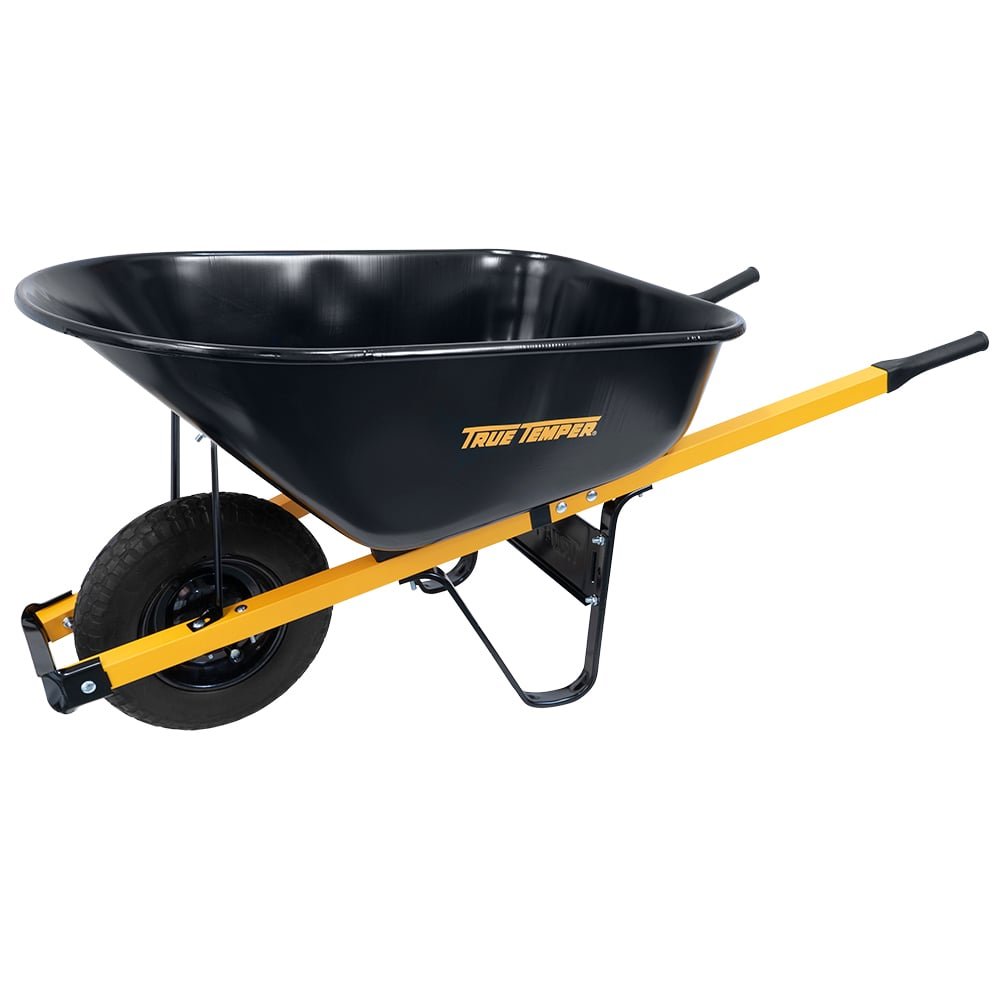
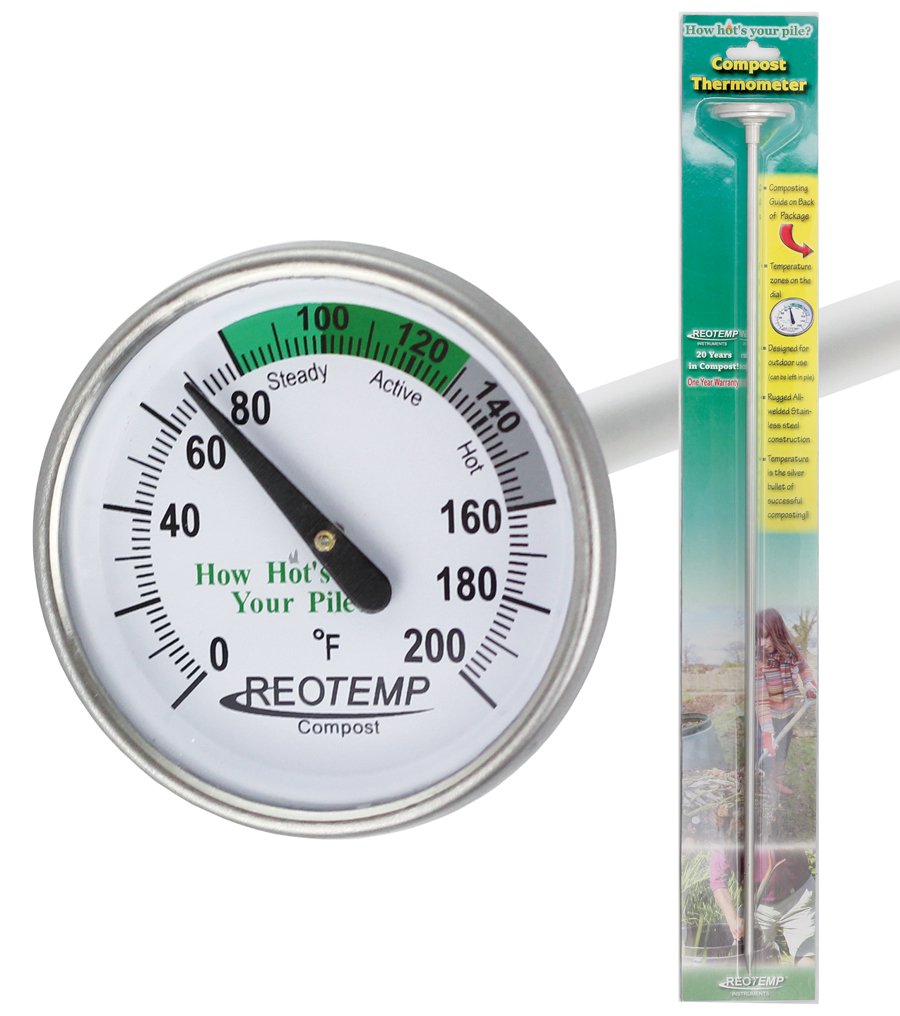
The tools follow the work. A spade and a digging fork turn the ground; a bow rake makes the seedbed; a draw hoe hills the potatoes. Weeds cost a garden more yield than anything else, so a stirrup hoe goes down the rows every week. A hot compost pile has to reach 130 to 160 F, and a compost thermometer is the only way to know it did. Leaves raked in autumn are next year's mulch and compost browns, and a wheelbarrow moves all of it.
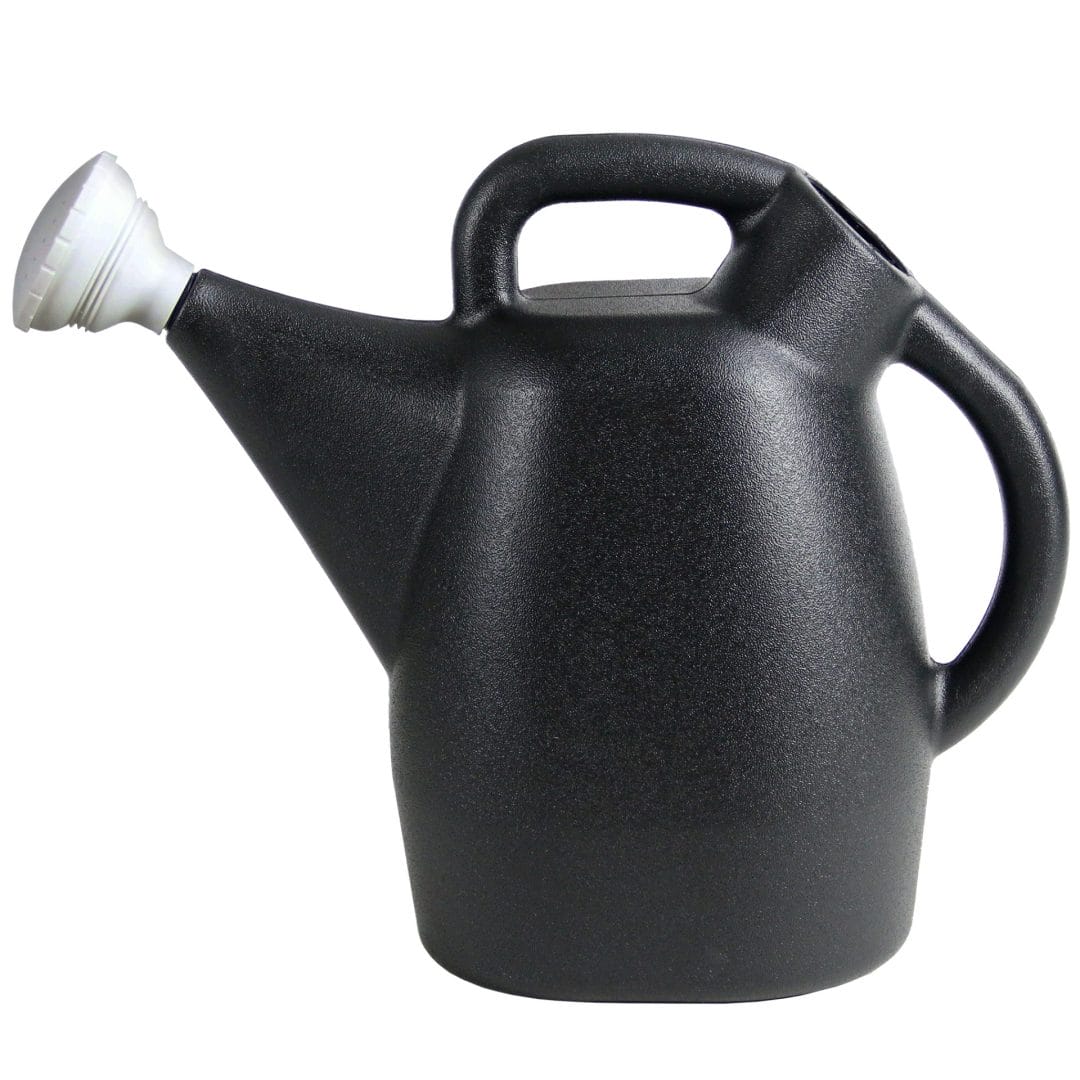
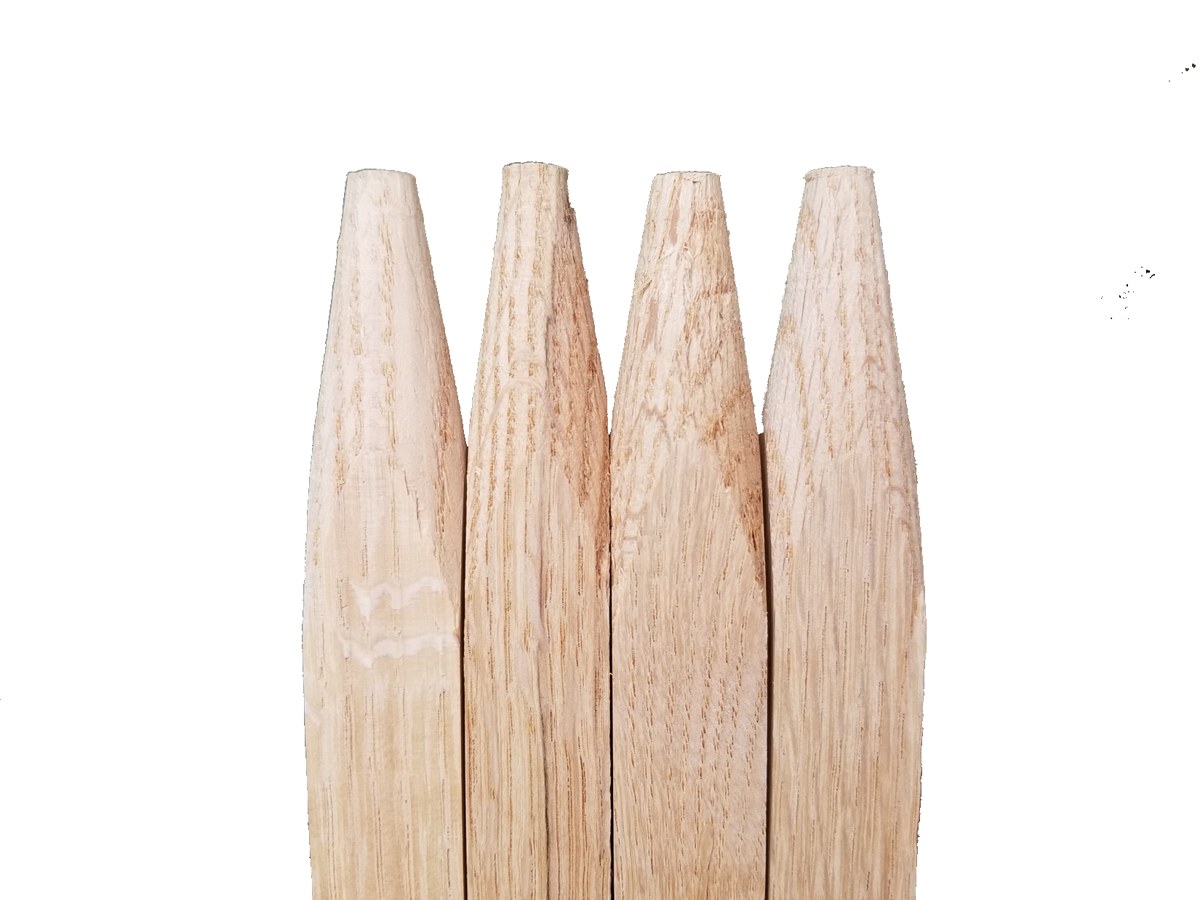
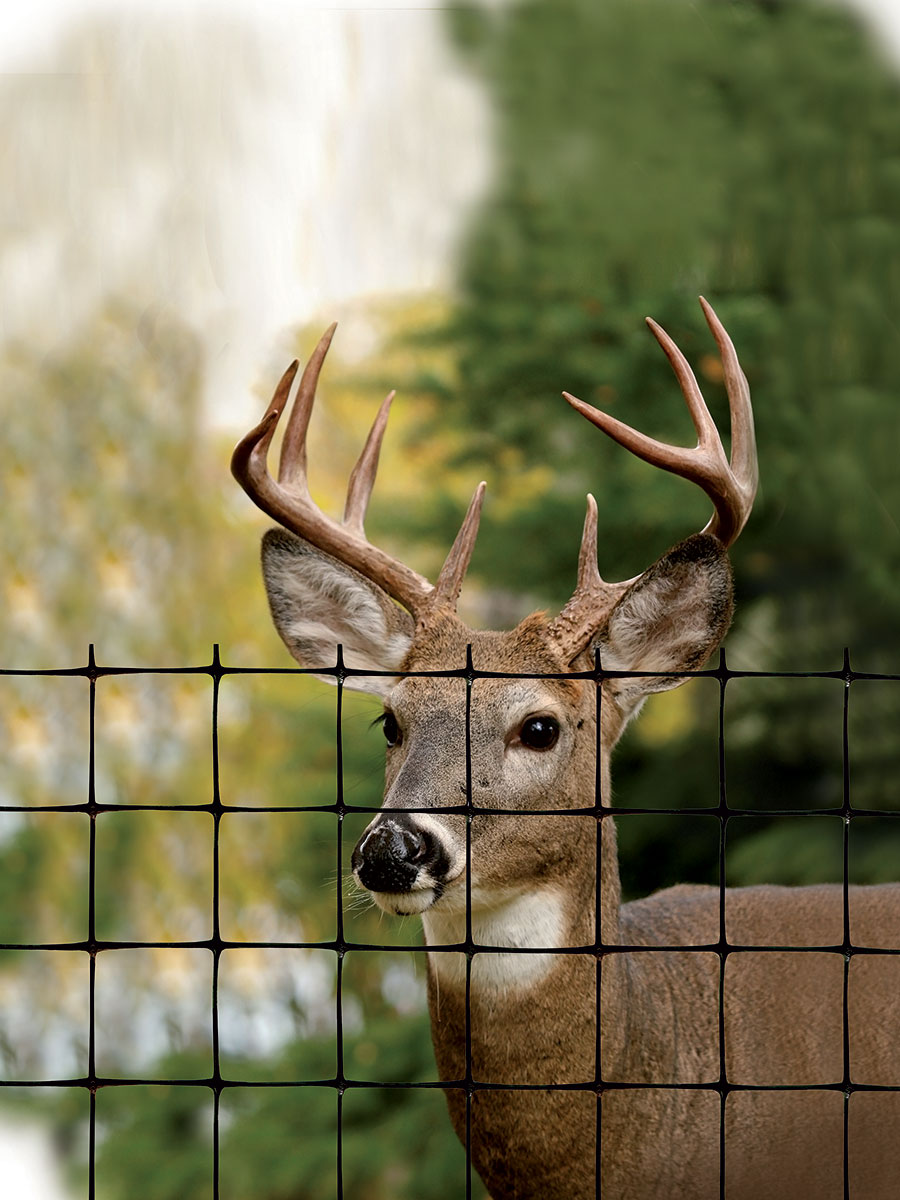
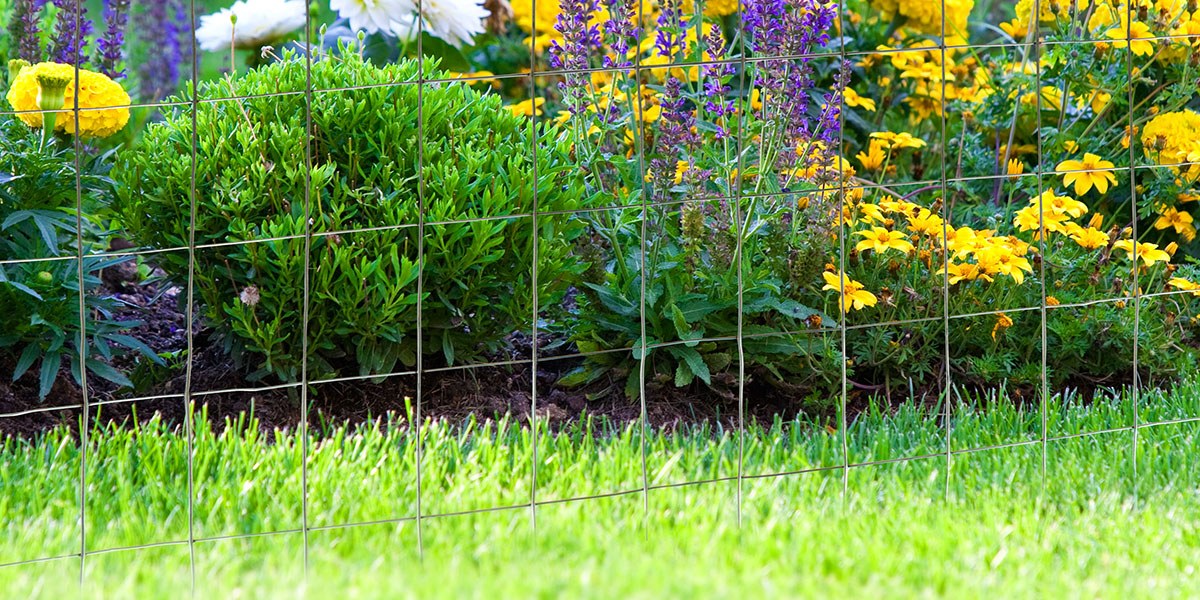
Two things decide whether you harvest at all. Water: a 1,000 square foot garden wants roughly 600 gallons a week in July, so put the garden near the water and keep a good hose. Fences: deer, voles and chickens will take an unfenced garden. University of Arizona Extension says deer can and will jump anything lower than 8 feet, and we call a deer fence the one investment that pays every year.