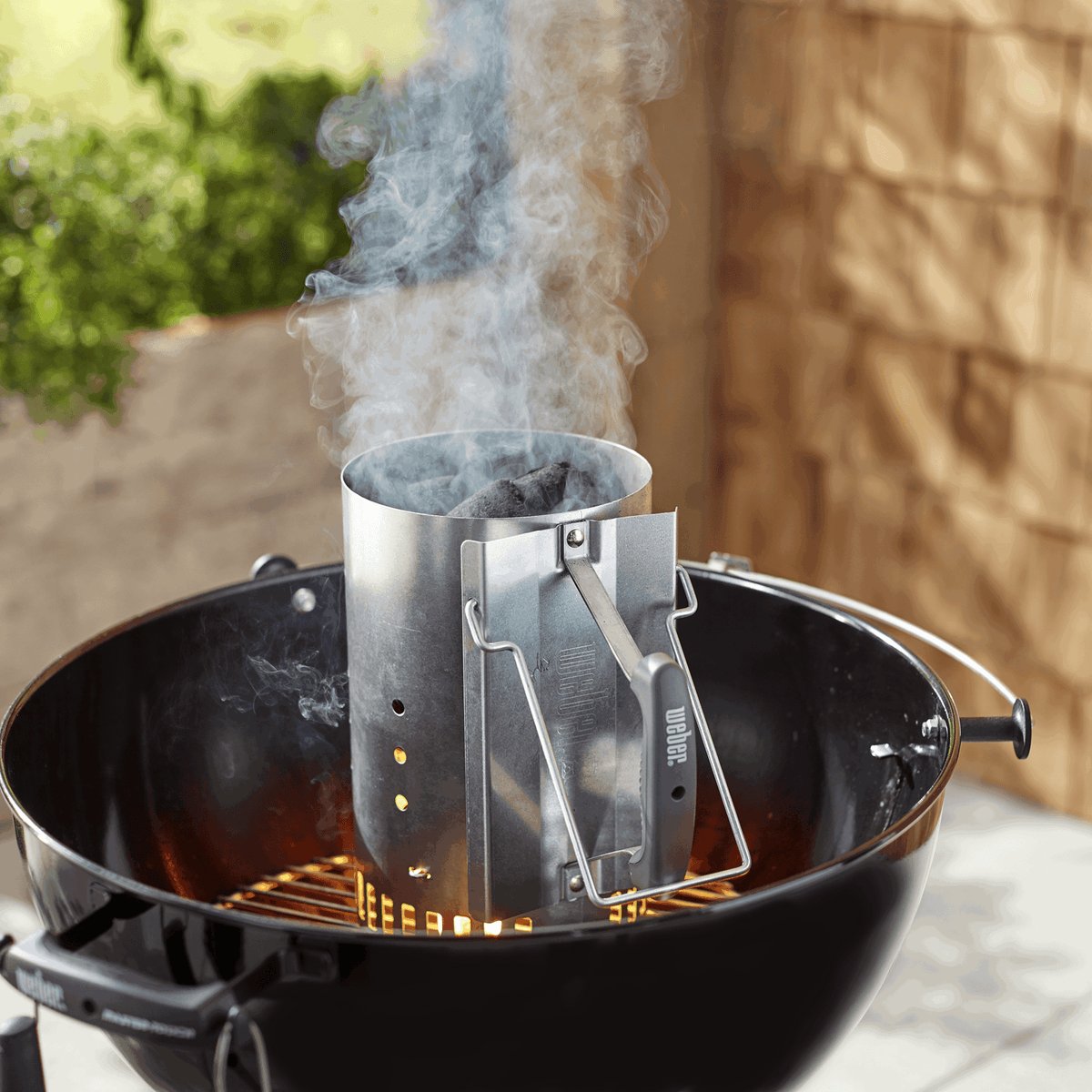
Charcoal chimney starter
- About 5.7 lb of briquettes per load, per Weber
- 1.6 gal aluminized steel chimney, per Weber
Fire is heat, light, a hot meal and safe water. Carry three ways to start one, and the easy ones first.
When the power is out, a fire is how you stay warm, boil water, cook and see. Here are the ways to light one, in the order you should reach for them: a lighter, then matches, then a ferro rod, then a lens, with batteries, flint and steel and friction as the last resorts. The easy ways come first because they work when you are cold, tired and in a hurry. The hard ways are for when the easy ones are gone.
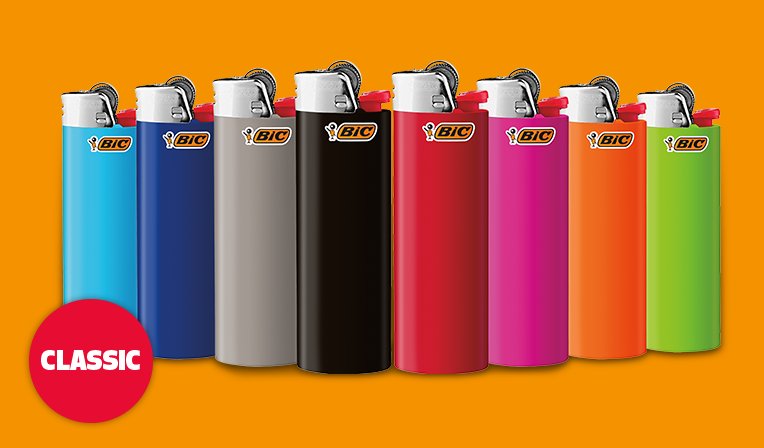
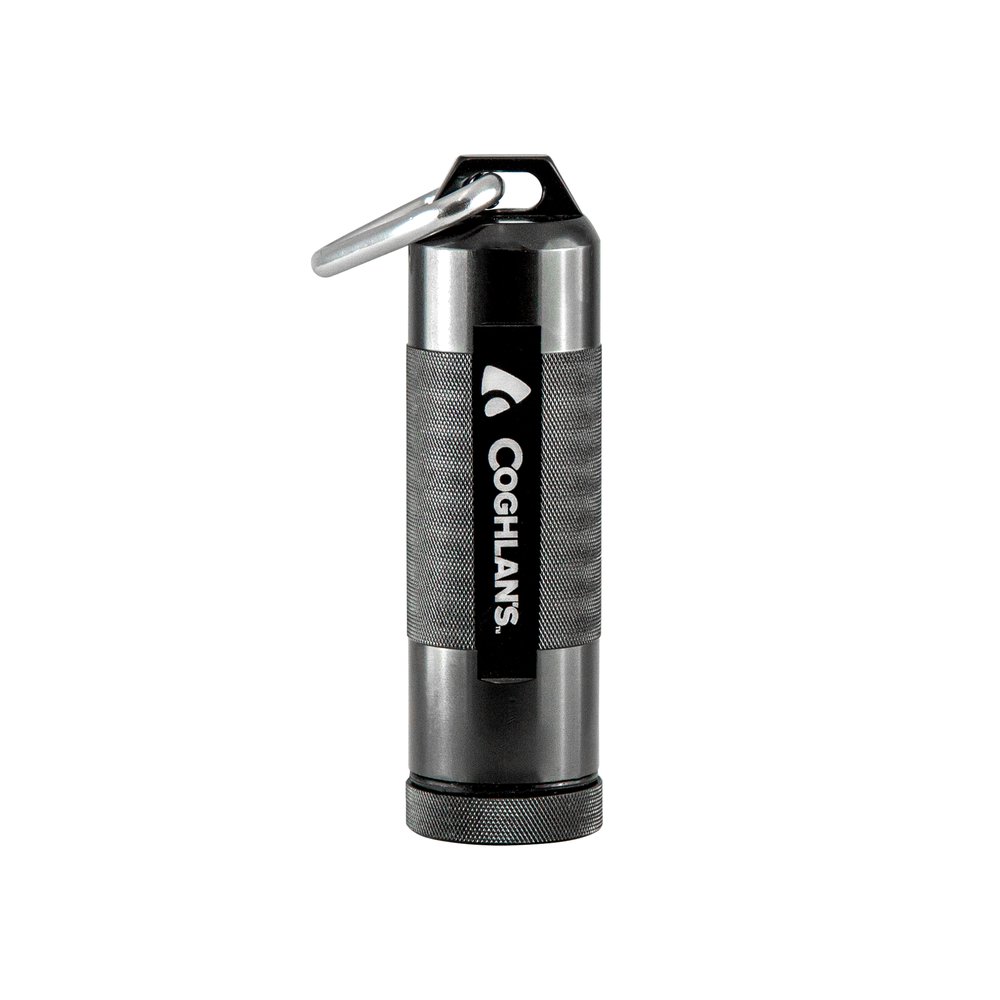
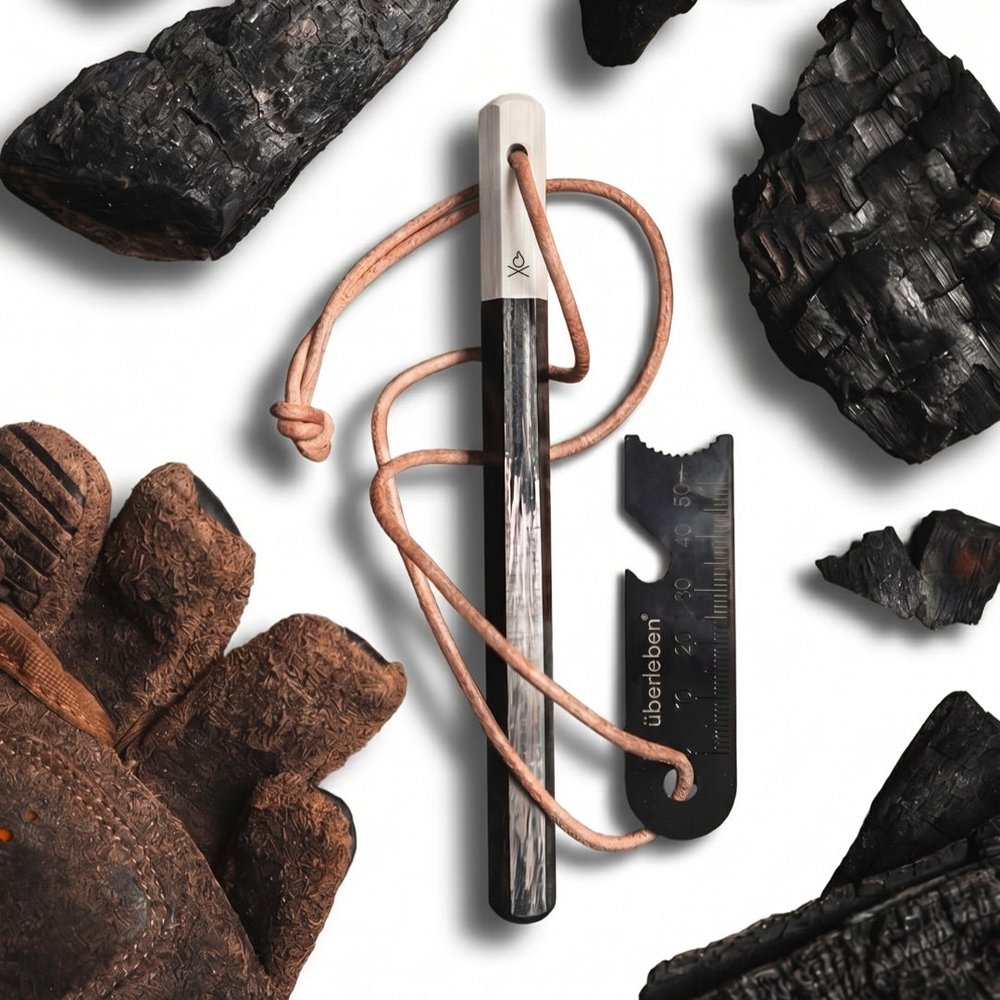
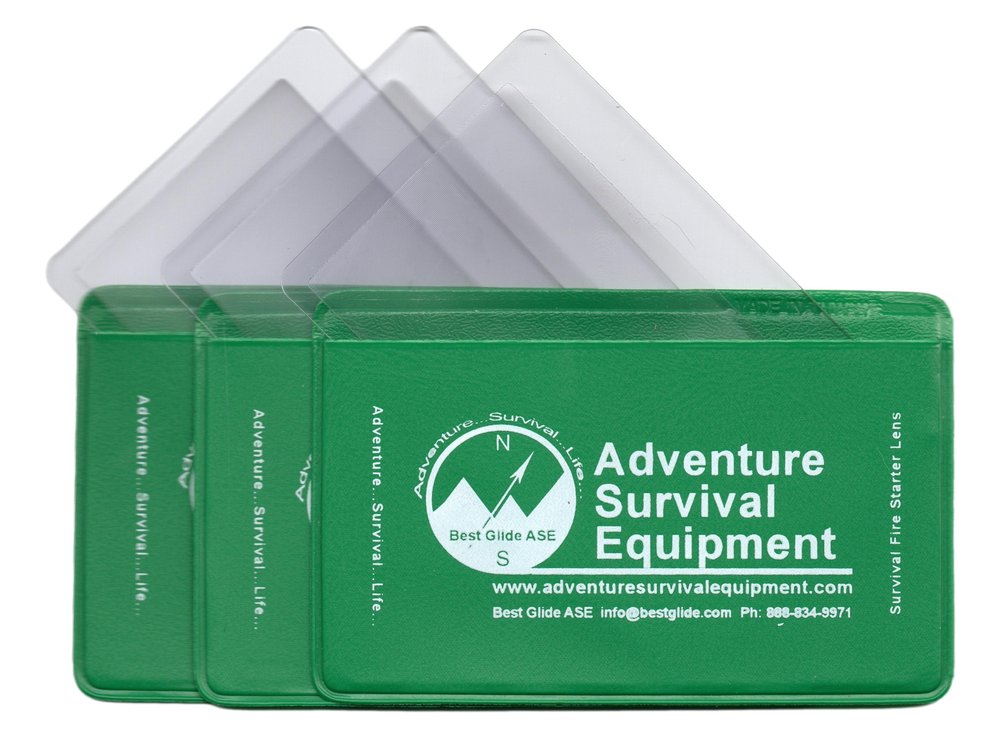
Lighters are the most reliable fire starter there is; plan on six for a household, one in a pocket and the rest in the kits. Cold kills butane, so warm a lighter inside your clothing before you use it. Matches in a waterproof container are on FEMA's kit list. A ferro rod throws sparks wet or cold for thousands of strikes after the lighters and matches have run out. A Fresnel lens lights tinder from the sun, but only on a bright sunny day.
Whatever you light it with, a fire needs tinder, kindling and fuel ready before you strike. Practise in the back yard before you need it.