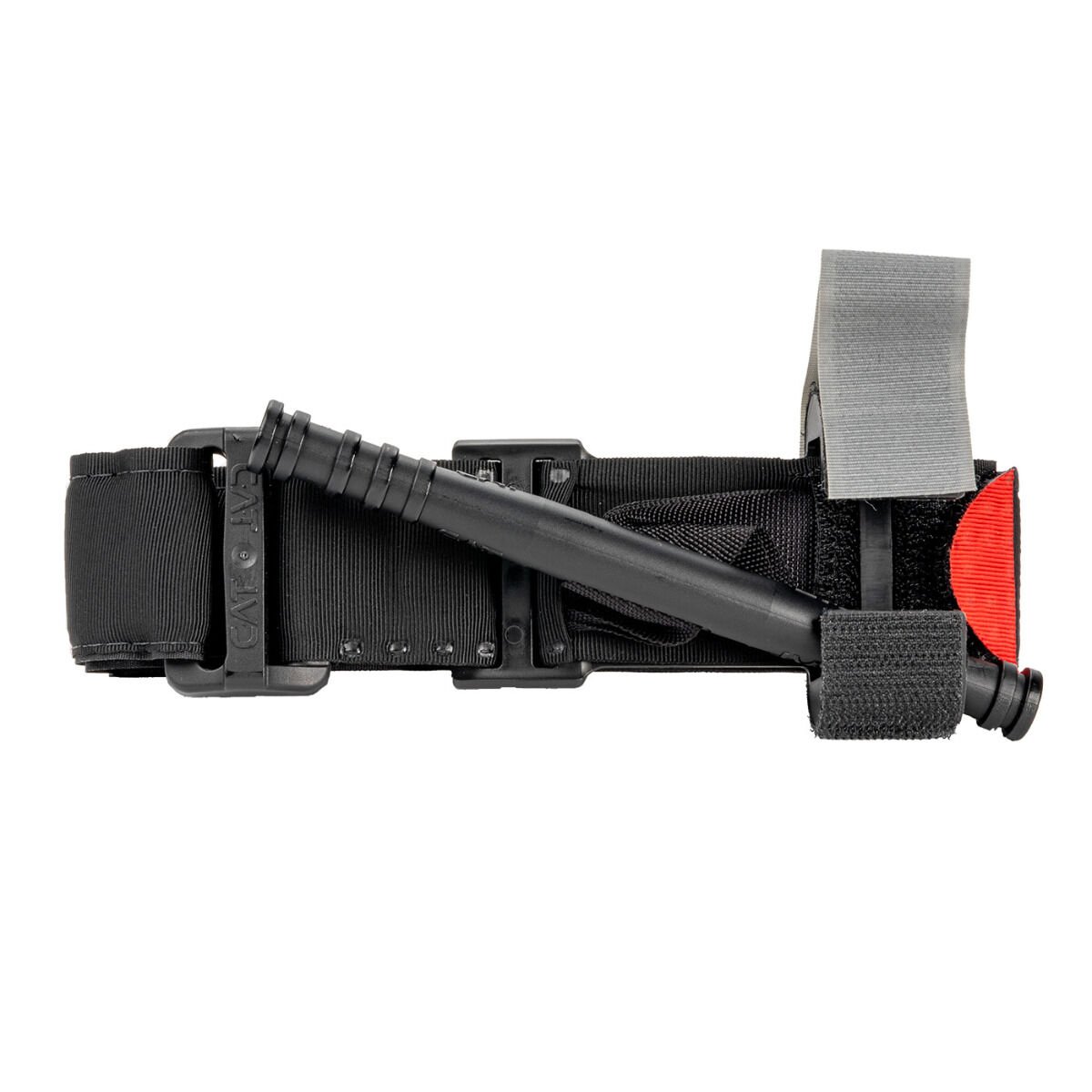
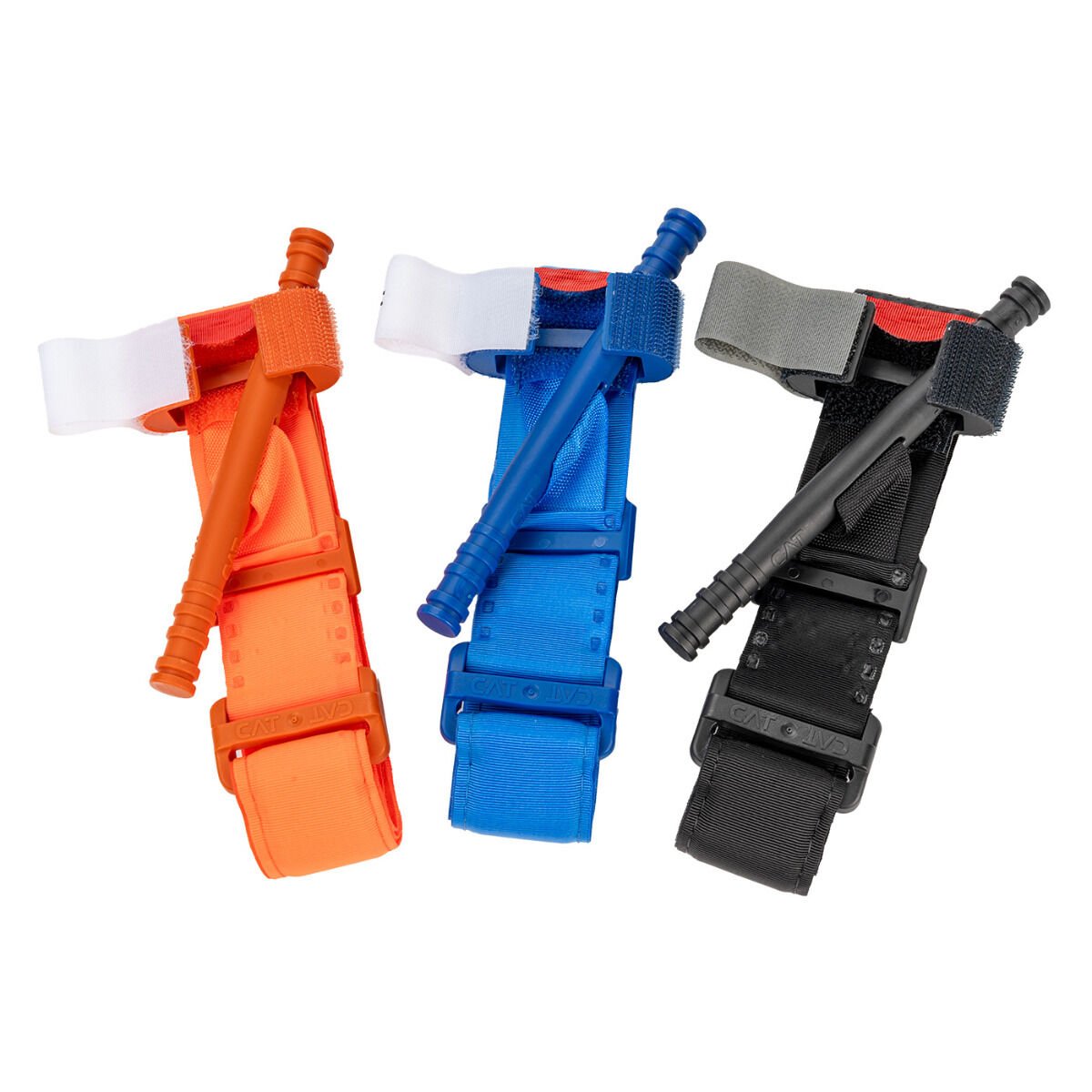
Tourniquet windlass type
Rated 4.9 out of 5: 4.9 · 6,458 ratings
The genuine C-A-T, the tourniquet the Stop the Bleed course teaches on, plus a blue trainer to practice with until your hands know it.
One North American Rescue Combat Application Tourniquet (C-A-T), Gen 7
We earn a commission if you buy through these links, at no cost to you.
Manuals and documents
- 2.7 ozper C-A-T, by North American Rescue's figure
- CoTCCCrecommended, per North American Rescue
- Bluetrainer, marked for practice only
- 2 + 1two for the kit, one trainer to practice with
“Buy the real one, buy the blue one too, and practice with the blue one until you can do it in the dark.”
Stop the Bleed, the American College of Surgeons' program, calls bleeding the number one cause of preventable death after injury. For bleeding from an arm or leg that pressure does not stop, the course's answer is a tourniquet, put on right and put on fast. Fast comes from practice, not from owning one.
The Combat Application Tourniquet (C-A-T) from North American Rescue is the windlass tourniquet most people picture: a strap, a single buckle, a rod you twist and a clip that locks it. North American Rescue states it has been the Official Tourniquet of the U.S. Army since 2005 and is recommended by the Committee on Tactical Combat Casualty Care. It weighs 2.7 oz by NAR's figure. Keep two, because a second may be needed.
Buy the genuine one. North American Rescue warns that counterfeit C-A-Ts, made in China, have been reaching first responders and failing when needed. Genuine C-A-Ts are only made in the United States. Buy from North American Rescue's own store or a medical supplier, not the cheapest listing; if one looks wrong, compare it with a genuine C-A-T or ask NAR.
Buy the blue one too. NAR's trainer is a working C-A-T colored blue so it is never mistaken for the real one. Practice with it, on yourself and your family, until wrapping, winding and securing are automatic. Better still, take a Stop the Bleed course (stopthebleed.org) and practice with an instructor.
How to use it
These are the Stop the Bleed course rules. They are a reminder, not a substitute for the course.
- Use it for bleeding from an arm or leg that pressure does not stop, or when you cannot stay with the person.
- Wrap: place it 2 to 3 inches above the wound, toward the body, not over the elbow or knee. It can go over clothing. Pull the strap tight.
- Wind: twist the windlass until the bleeding stops. It will hurt a lot; that is expected.
- Secure: lock the windlass in its clip and strap it down. If bleeding continues, a second tourniquet may be needed, above the first (Red Cross).
- Time: note the time it was put on. Do not remove or loosen it.