Trauma shears
Rated 4.8 out of 5: 4.8 · 4,801 ratings
Cut a sleeve, a pant leg or a soaked shirt off someone in seconds, with a blunt tip that rides along the skin instead of into it.
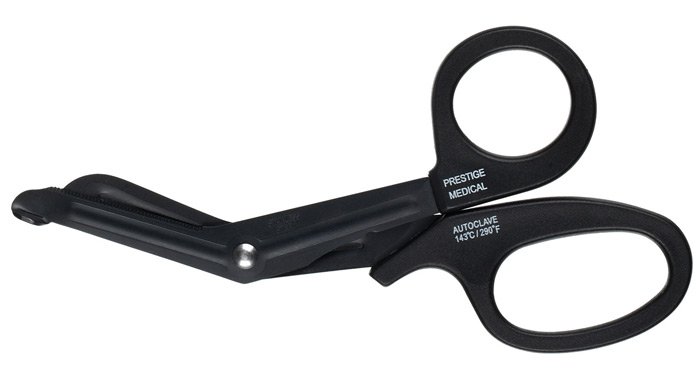
One Prestige Medical 7.5 in Premium Fluoride Scissor (model 607), black
We earn a commission if you buy through these links, at no cost to you.
- 7.5 inthe Prestige shears, the size medics carry
- 420surgical-grade stainless steel, by Prestige's figure
- 6 toolsin the folding Leatherman Raptor Rescue
- 1 + 1one in the medical kit, one in the go-bag
“The tool you do not think about until the first thing you need to do is get the clothing out of the way.”
Before you can see a wound, a burn or a rash, you have to get the clothes off it, and pulling a shirt over a hurt arm is the wrong way. Bandage scissors, the angled shears every medic carries, slide their blunt lower blade along the skin and cut through denim, seams and wet fabric without nicking the person underneath. They also cut tape, gauze and moleskin all day long.
The Prestige Medical 7.5 inch shears are the classic: 420 surgical-grade stainless steel with a non-stick fluoride coating for tape and bandages, by Prestige's figure, and a five-year limited warranty. Buy two, one for the medical kit and one for the go-bag.
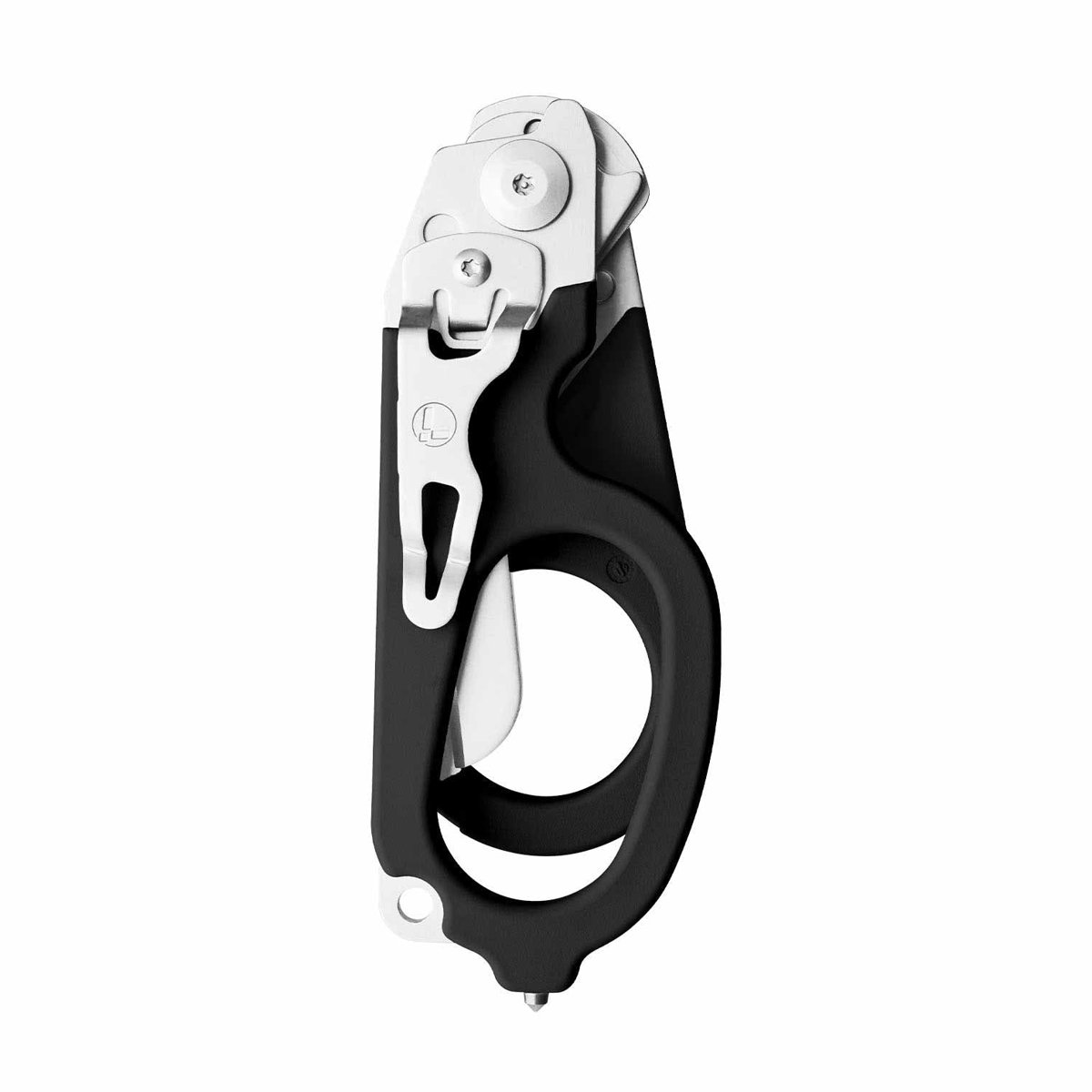
The Leatherman Raptor Rescue folds the same idea into a belt tool: shears, a strap cutter, a ring cutter, a ruler, an oxygen tank wrench and a carbide glass breaker, 5.8 oz, with a holster and Leatherman's 25-year warranty. It costs more; it is the pair that is on you, not in a bag in another room.
How to use it
- Slide the blunt, rounded blade under the clothing, flat against the skin.
- Cut along a seam or straight up the sleeve or pant leg, keeping the blunt blade on the skin side the whole way.
- Peel the cut clothing back to see the injury. Do not pull clothing that is stuck to a burn; cut around it and leave it.
- Wipe the blades clean after use and keep them in the kit, not the kitchen drawer.