Garden stakes and twine
Rated 4.5 out of 5: 4.5 · 158 ratings
Beans climb them, tomatoes lean on them, row cover hangs from them. Six-foot oak and real jute.
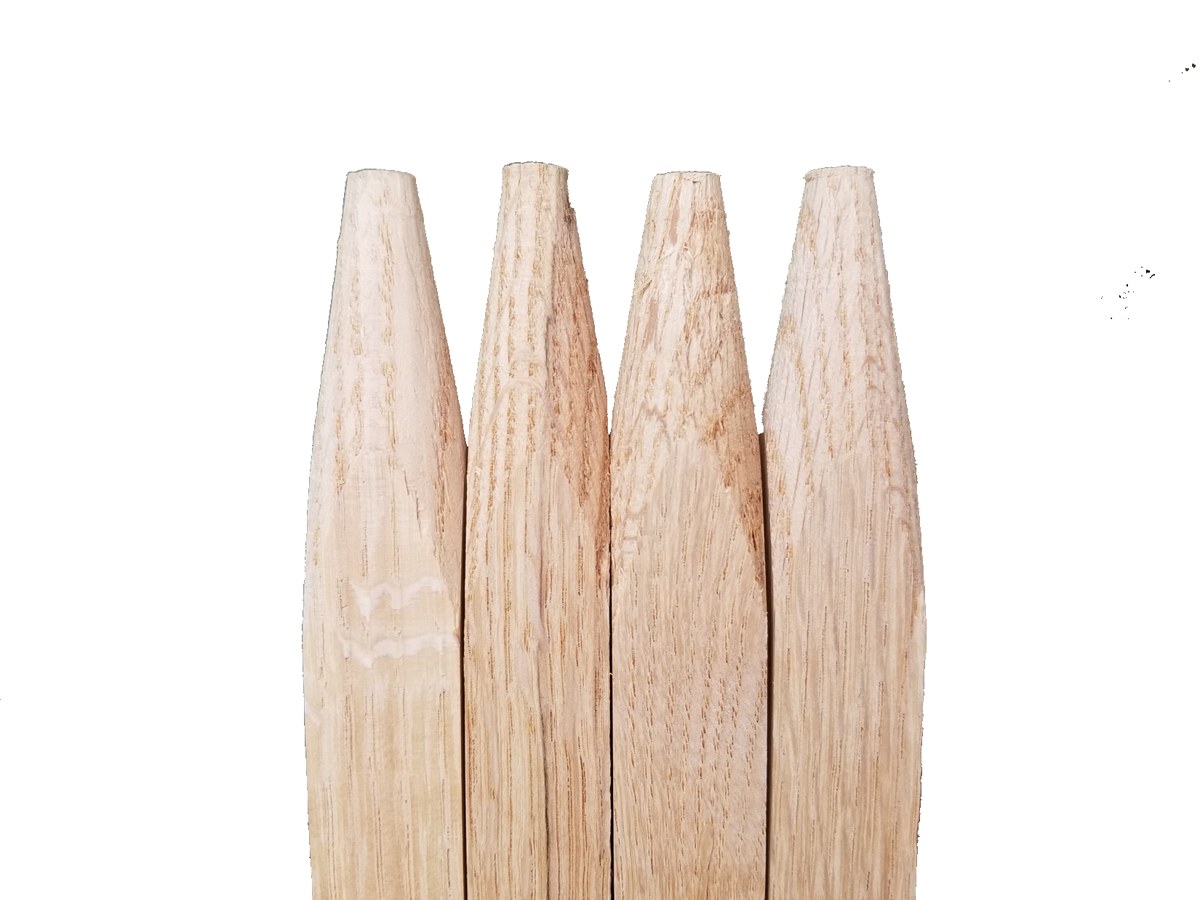
Madison Mill 72 in oak garden stakes, pack of 4 (401111); 25 stakes is about six packs
We earn a commission if you buy through these links, at no cost to you.
- 72 inoak stakes that resist rot, per Madison Mill
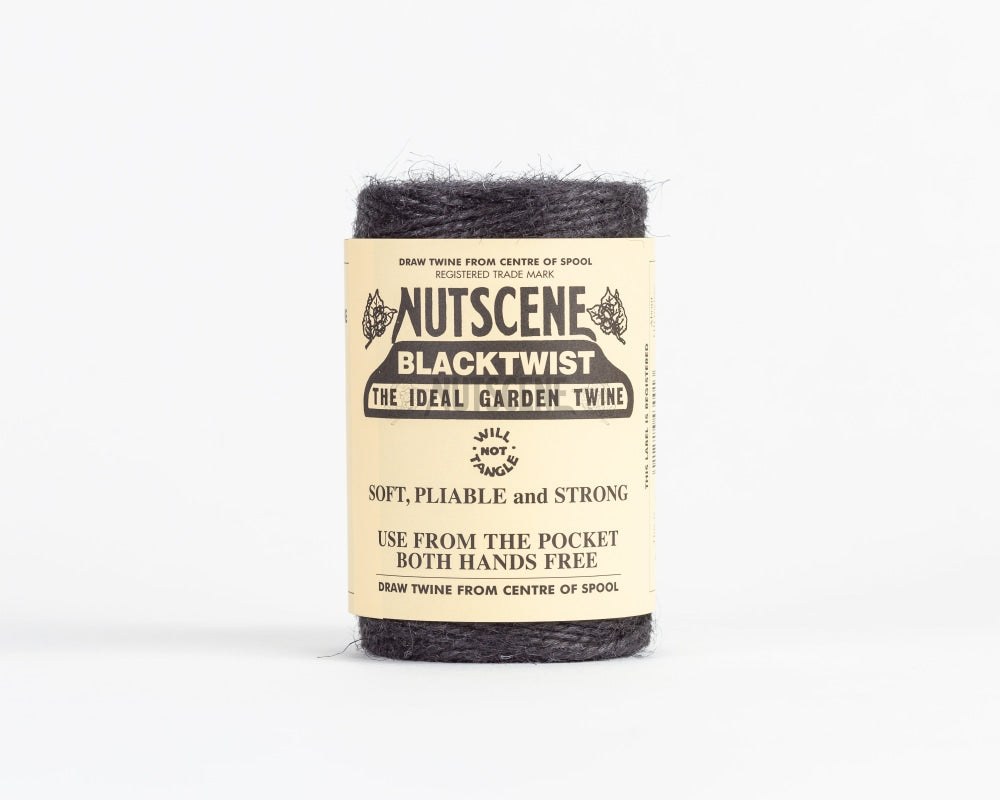
- 3-plyjute twine from Scotland, per Nutscene
- Compostabletwine breaks down with the spent vines
“At the end of the season you cut the vines down, twine and all, and throw the lot on the compost.”
Half the garden grows up, not out. Pole beans and tomatoes need something to climb, row cover needs hoops and stakes to hang from, and every row needs a marker at each end. The list is plain: 25 wood stakes six feet long and a big roll of 3-ply jute twine.
Madison Mill's oak stakes resist rot and, by Madison Mill's account, can weather many gardening seasons; they have holes ready for twine, and the 72 in size is the one for tomatoes. Nutscene has wound its 3-ply jute twine in Scotland since about 1922. It pulls from the center of the spool, it is biodegradable, and at the end of the season it goes on the compost with the vines.
How to use it
- Drive each stake firmly into the ground with a mallet before the plant needs it, a few inches from the stem so you miss the roots.
- Tie the twine to the stake first, then loop it loosely around the stem in a figure eight so the stem can grow.
- For beans, run twine between two stakes at the top and drop strings to the ground.
- Pull the stakes in fall, knock off the soil, and store them dry for next year.