Hardware cloth
Rated 4.7 out of 5: 4.7 · 1,129 ratings
A mouse gets through a hole the width of a pencil. Quarter-inch steel mesh is what it cannot chew through.
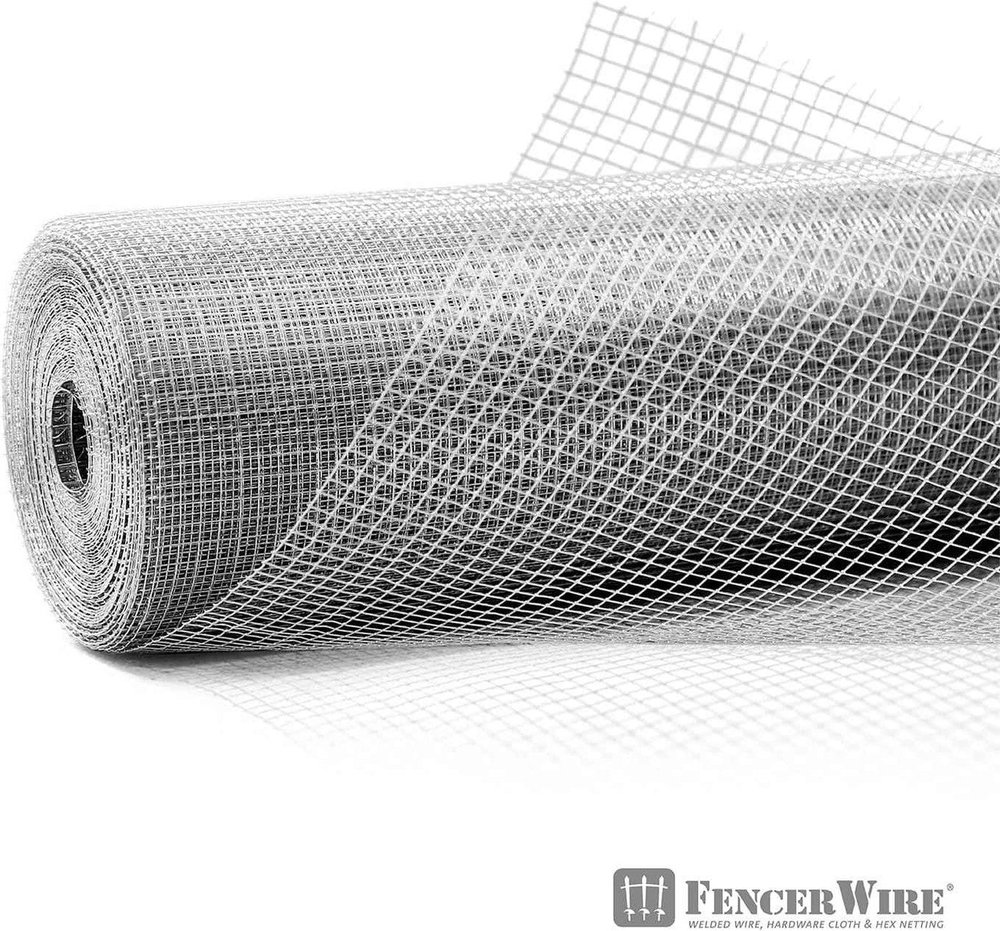
Fencer Wire 23 gauge galvanized hardware cloth, 1/4 in mesh, 3 ft x 50 ft roll
We earn a commission if you buy through these links, at no cost to you.
- 1/4 inmesh openings, the width of a pencil
- Galvanizeddouble zinc coating against rust, per Fencer Wire
- 3 ft x 50 ftone roll covers vents, gaps, runs and gutters
“Every hole the mice were using, closed with a square of steel mesh and a few screws.”
Rats and mice follow the food in, and when the trash stops being collected there is a lot of it. A mouse fits through a hole the width of a pencil, so every gap around a pipe, a vent or a door is a way in. CDC's advice is steel wool and caulk for the small holes, and for the larger ones hardware cloth, sheet metal or cement: galvanized steel mesh with openings too small to squeeze through.
Fencer Wire's quarter-inch cloth is hot dipped galvanized against rust and cuts with tin snips. One roll closes the larger gaps and screens the vents, covers the gutters and rain barrels, lines the bottom of the chicken run (chicken wire does not stop a raccoon), and makes a compost sifter.
How to use it
- Find the gaps: check where pipes and wires enter, under doors, around the foundation and vents, and in the attic.
- Stuff small holes with steel wool held in with caulk or spray foam. For larger holes, wear gloves and cut a patch of hardware cloth with tin snips, bigger than the hole on every side.
- Fasten the patch over the hole with screws and washers or staples, so no edge can be pushed aside.
- Screen vents and rain barrel openings the same way, so air and water pass and animals do not.