LED lantern 3 D cells
Rated 4.8 out of 5: 4.8 · 4,820 ratings
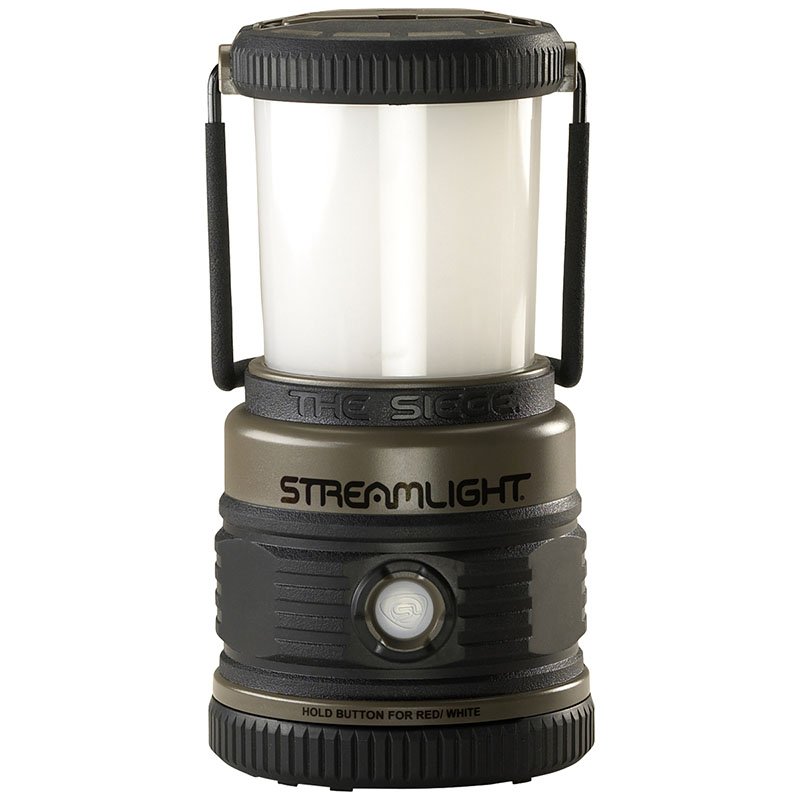
One lantern lights the whole room for 70 hours on three D cells, by Streamlight's figures. On low, it runs about 12 days.
Streamlight Siege 44931 lantern (coyote/tan); takes three D alkaline cells
We earn a commission if you buy through these links, at no cost to you.
Manuals and documents
- 295 hourson low (55 lumens), by Streamlight's figure
- 70 hourson medium (275 lumens), enough to light a room
- 540 lmon high, for 30 hours
- 3 Dalkaline cells, which keep for years in the package
“The lantern on the kitchen table is what makes a blackout feel like an evening at home.”
A headlamp lights what you are doing. A lantern lights the room, so the whole family can eat, talk and play cards at the table instead of sitting in the dark. A 30-day lighting plan for a household can be built on this lantern.
The Streamlight Siege runs on three D cells. By Streamlight's figures it gives 540 lumens for 30 hours on high, 275 lumens for 70 hours on medium, which lights a room, and 55 lumens for 295 hours on low, which is a night light for the hall or the bathroom. A red mode gives 10 lumens for 235 hours, and there is an emergency SOS. Four hours a night on medium is two sets of D cells a month.
D cells are the one exception to standardizing on AA: keep a few for the lanterns and nothing else. Alkaline D cells keep for years in the package, so buy them once and date the box.
How to use it
- Store the cells beside the lantern, in their package, not inside it: alkaline cells left in a lantern for a year can leak and ruin it.
- Put in three D cells from the same package when the power goes out.
- Use the lowest setting that does the job: medium for the room you are sitting in, low for a hallway night light.
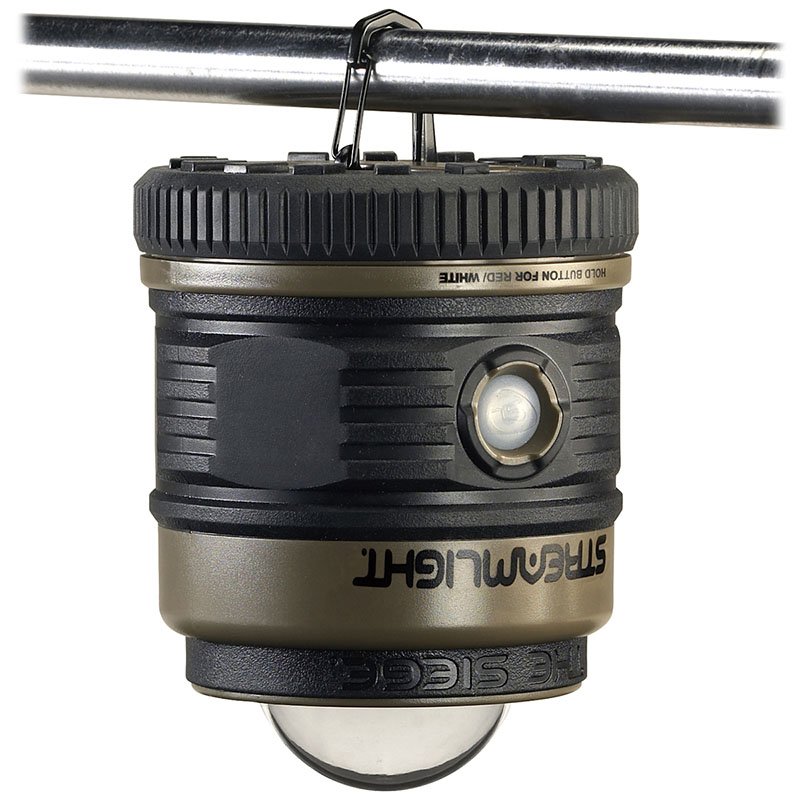
- Hang it high, or stand it behind a sheet of paper, so it lights the room without blinding everyone at eye level.
- Two lanterns cover most houses: one for the main room, one for the kitchen or a second room.