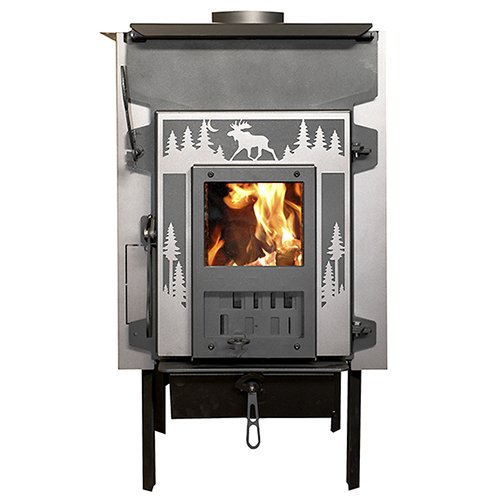
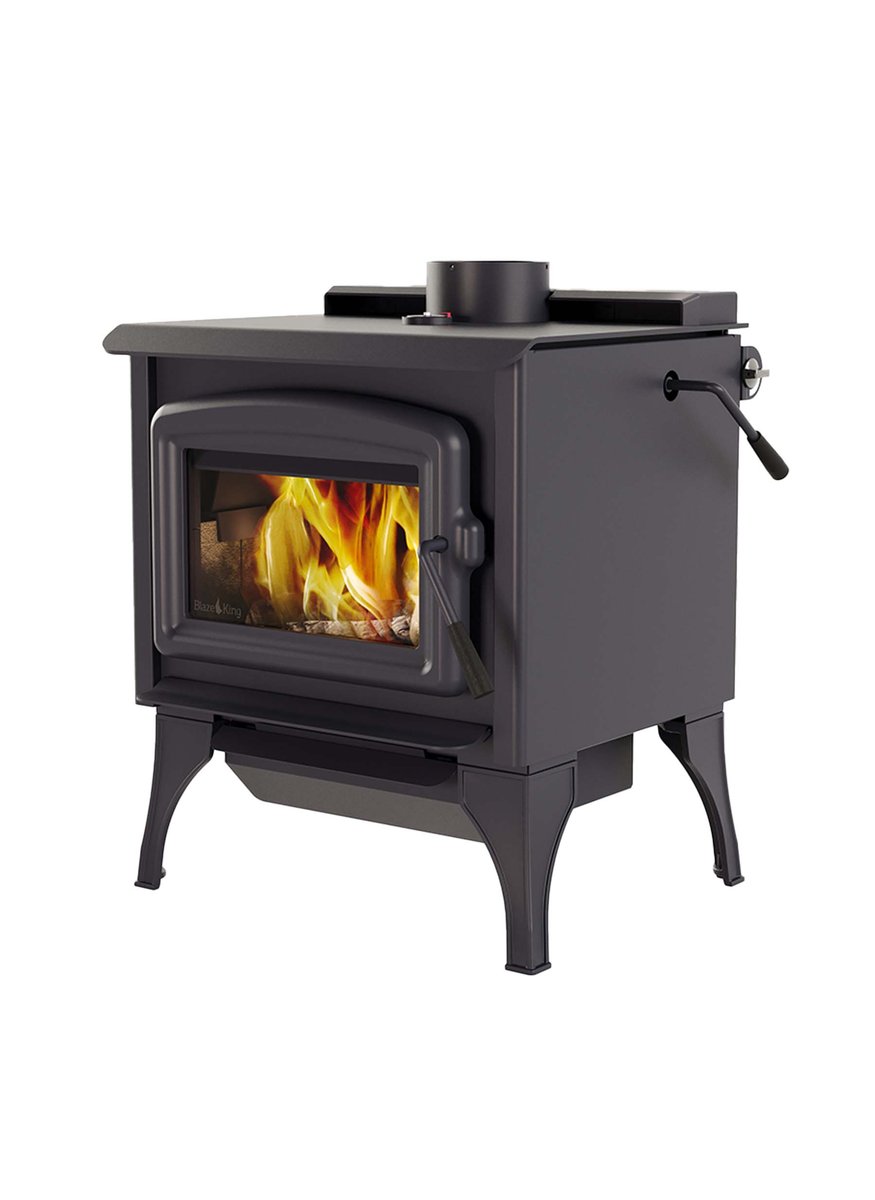
EPA-certified wood stove
The one heater that keeps a house warm for as long as the woodpile lasts, with no power and no fuel truck. Buy it right, install it to code.
Woodstock Soapstone Survival Hybrid wood stove (212), made in America, sold direct by Woodstock; installation, chimney and floor protection extra
We earn a commission if you buy through these links, at no cost to you.
Manuals and documents
- 2.0 g/hthe federal smoke limit a new stove must meet since 2020
- 1.05 g/hemissions, per both makers of these two stoves
- 27,294 BTU/hWoodstock Survival Hybrid output, per Woodstock
- 20 hoursBlaze King Sirocco 20.2 on low, per Blaze King
“Every other heater on this site is for getting through the outage. A wood stove is for living through it.”
A wood stove with a sound chimney and a woodpile heats a house for as long as the wood lasts, with no electricity and no deliveries, and most will boil a kettle on top. It is the one indoor fire we treat as a normal heater rather than an emergency one.
Buy one that is both EPA-certified and listed. Certified means it passed the federal smoke test; since May 15, 2020 a new stove sold in the US must emit no more than 2.0 g of smoke an hour (2.5 g under the cord-wood test). A cleaner stove lays less creosote and burns less wood for the same heat. Listed means a lab tested it for fire safety, and its label gives the clearances it may be installed to. Both stoves here are made in the US by makers that publish their manuals and sell the parts, and both are rated by their makers at 1.05 g an hour.
The Woodstock Survival Hybrid is Woodstock's smallest stove, for spaces up to about 1,000 square feet. The Blaze King Sirocco 20.2 is a catalytic stove built to burn long and low: up to 20 hours on its low setting, per Blaze King. Size the stove to the space you will really heat in an emergency; an oversized stove gets run smoldering, and that builds creosote. Check local rules: many towns require a permit and an inspection for a stove installation.
How to use it
- Have it installed by a professional, to the clearances on the stove's own label and manual, on the floor protection the manual calls for, with a listed chimney or an inspected, lined masonry one. One flue, one appliance.
- Put battery or battery-backup CO alarms near every sleeping area and on every level, and one near the stove's room; smoke alarms on every level. Test them monthly.
- Burn only dry, split, seasoned wood below 20 percent moisture. Never trash, cardboard, plywood, painted or treated wood, and never start it with gasoline, kerosene or lighter fluid.
- Light small and hot with the air open, keep the door closed except to load, and if the stove or pipe glows red, close the air and stop adding wood.
- Ashes go in a metal can with a tight lid, wetted, outside at least 10 ft from any building. Have the chimney inspected at least once a year and cleaned as needed.