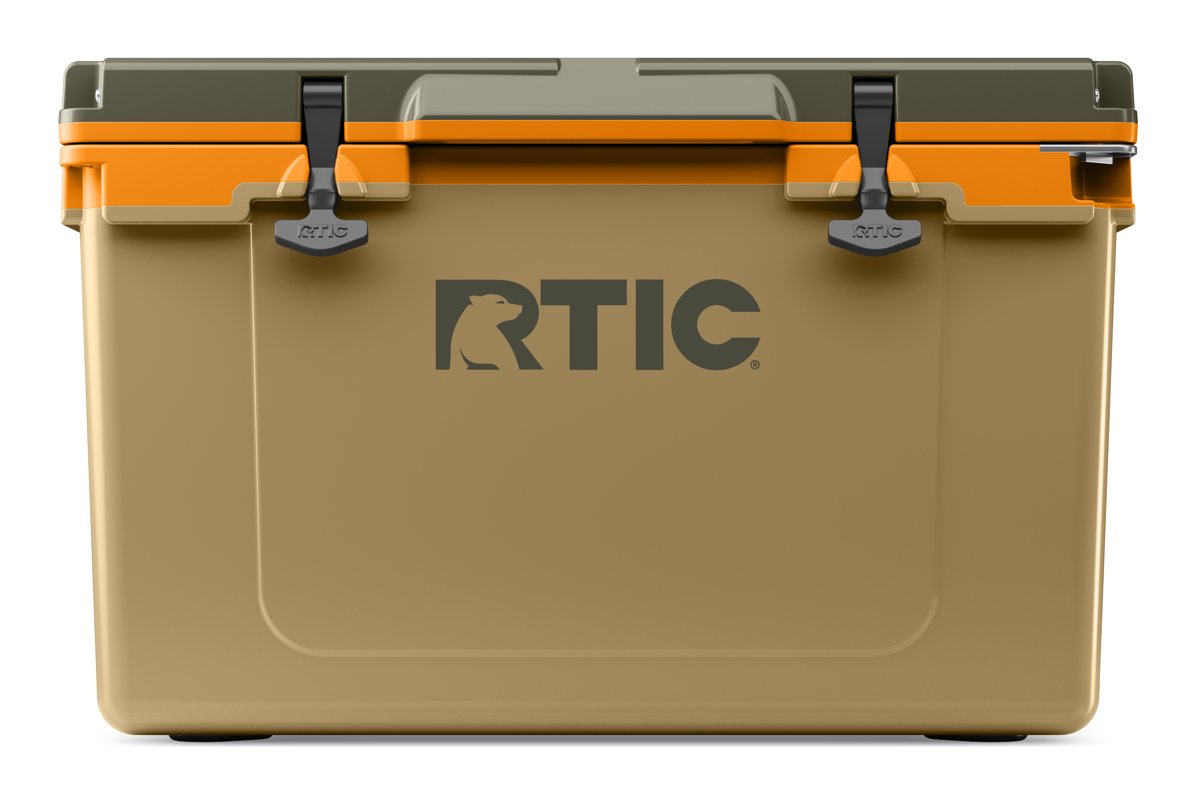
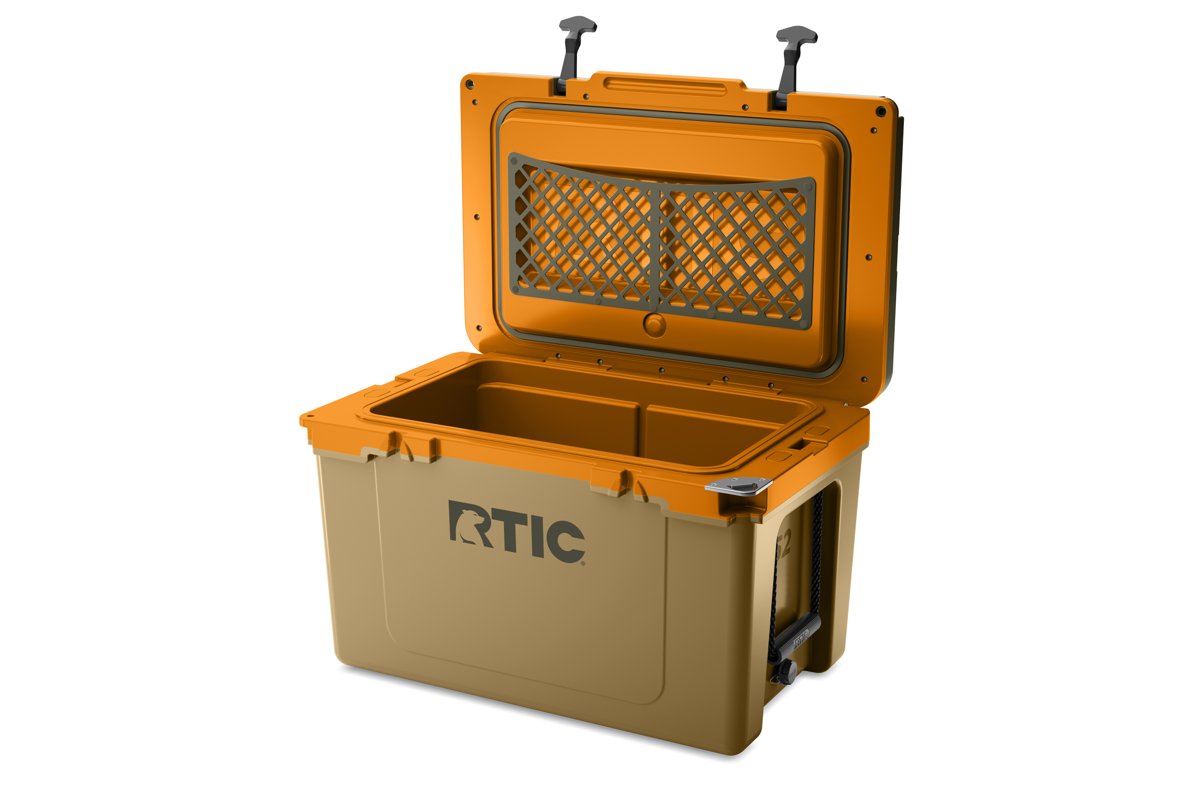
Hard cooler 50 qt
Rated 4.8 out of 5: 4.8 · 4,316 ratings
When the fridge dies, a good cooler and a few blocks of ice buy you days, not hours. This one latches shut and holds up to 51 lb of ice.
One RTIC 52 QT Ultra-Light hard cooler (basket and divider sold separately)
We earn a commission if you buy through these links, at no cost to you.
- 3 inof closed-cell foam, per RTIC
- 7 daysof ice, at best, with RTIC's cooling tips
- 51 lbice capacity, per RTIC
- T-latchesand a freezer-style gasket hold the cold in
“The fridge holds four hours. Blocks of ice in a latched cooler hold the milk, the meds and the meat while you wait for the power.”
USDA gives a refrigerator about 4 hours without power before the perishables have to go. A cooler packed with ice is how you beat that clock: move the milk, the meat, the leftovers and any medicine that must stay cold into it, and keep it shut.
The RTIC 52 QT Ultra-Light is a hard-sided cooler built for exactly that: up to 3 in of closed-cell foam, a freezer-style gasket and T-latches that clamp the lid down, by RTIC's description. RTIC rates it for ice up to 7 days when you follow its cooling tips. It holds up to 51 lb of ice, drains from two holes without tipping, and at 21 lb empty one person can carry it. In a heat wave the same ice fills the cold packs that go on a neck and armpits; in a winter outage you make the ice outdoors overnight and the cooler keeps it.
How to use it
- Before you need it: pre-chill the cooler with a bag of ice the night before, and keep a thermometer that fits inside it.
- When the power goes: block ice lasts longer than cubes. Put ice on the bottom and on top, the food that matters most between, and fill the gaps; an empty cooler warms fast.
- Keep the lid latched. Open it as little as you can, and check the thermometer when you do: food must stay at 40 F (4 C) or below. Above 40 F for 2 hours, the perishables are discarded.
- Keep food packages out of the meltwater (drain it from the two drain holes), and add ice as it melts.
- In winter, freeze water in jugs or pans outside overnight and bring them in to the cooler in the morning. USDA says not to put the food itself out in the snow.