Food drying screens
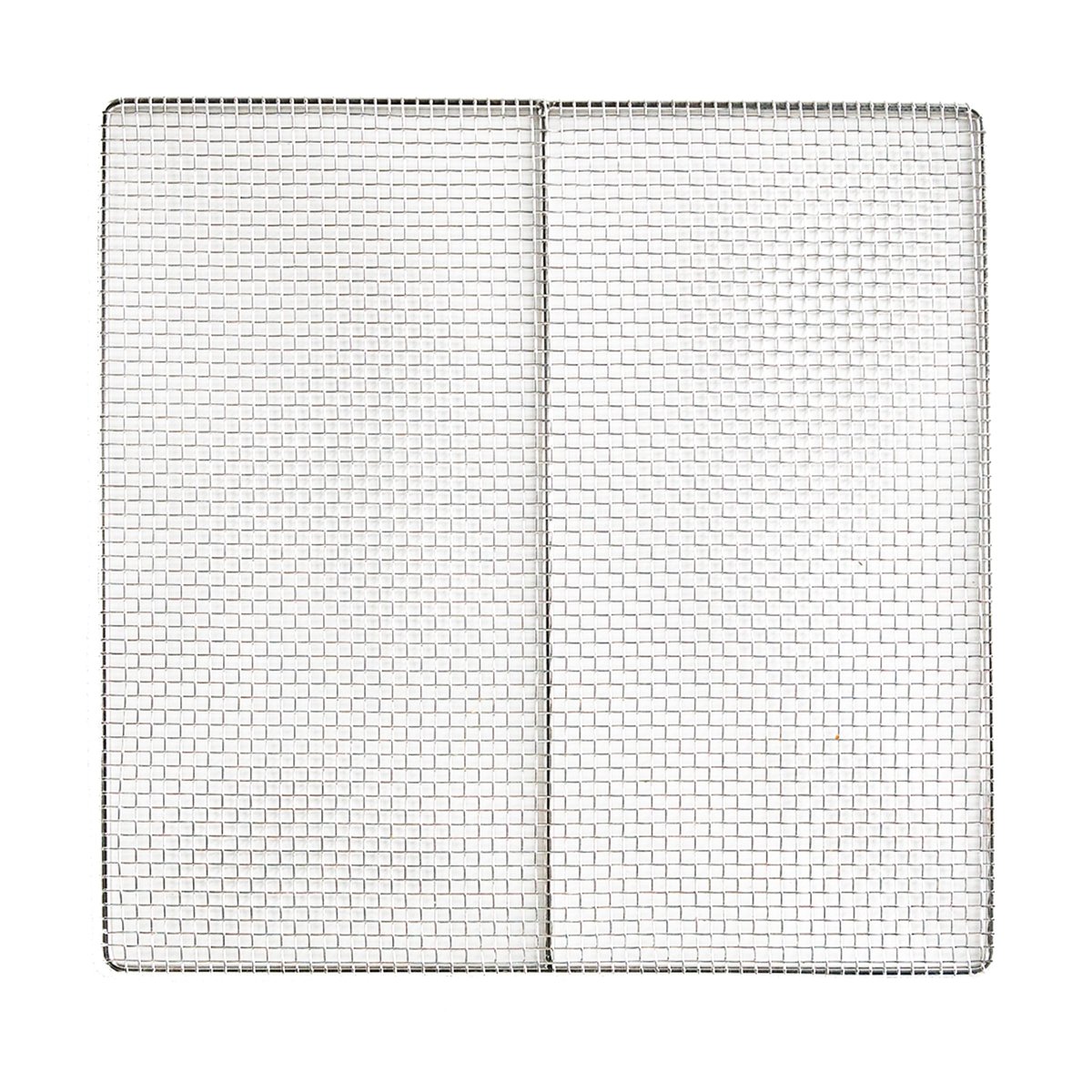
Dry fruit in the sun or the oven on trays that are safe for food. All stainless, nothing galvanized, nothing to rust onto your apples.
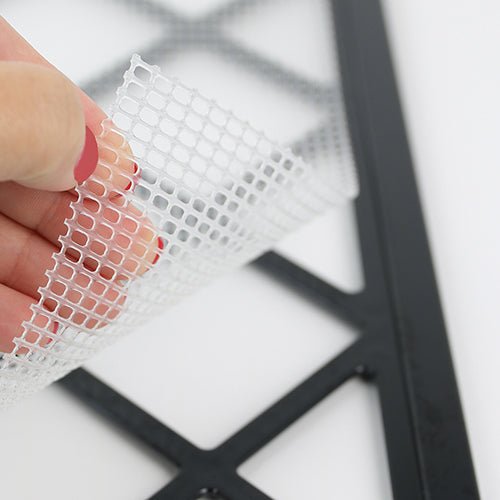
Five flexible food-grade plastic mesh screens (Excalibur P43); they lie on a tray or rack, they are not trays themselves
We earn a commission if you buy through these links, at no cost to you.
- 100%stainless steel, per Excalibur
- 15 x 15 inper tray
- 5 yearslimited warranty, per Excalibur
- 6 traysa good batch of fruit at once
“The wrong screen ruins the food on it. Stainless costs a little more and lasts forever.”
Drying is the preservation method that needs the least: no jars, no lids and, in the right weather, no fuel at all. What it does need is the right surface. The National Center for Home Food Preservation says to use stainless steel, Teflon-coated fiberglass or plastic screens, and never hardware cloth, copper or aluminum.
These are Excalibur's all-stainless replacement trays, 15 in square, made for its dehydrators; with no power they can be propped up on blocks in the sun or set on an oven rack. Get six, so a good batch of sliced fruit goes on at once.
Other models
How to use it
- Slice the food thin and even, and prepare it the way your tested recipe says (vegetables are blanched first).
- Lay the pieces on the trays in a single layer, not touching.
- Sun drying: use it for fruit, on days of at least 85 F with humidity below 60 percent; prop the trays up off the ground so air moves under them, cover them or bring them in at night, and expect it to take several days.
- Oven drying: use the lowest setting, check it with an oven thermometer for 140 to 150 F, prop the door open and rotate the trays every half hour.
- When dry, cool the food completely before packing it, then condition fruit in a jar for 7 to 10 days, shaking daily.