Dakota Alert MURS driveway alarm
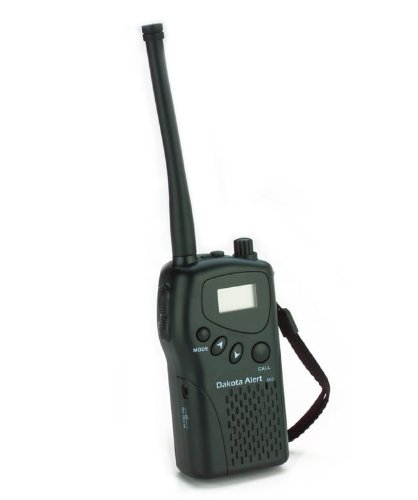
Dakota Alert · M538-HT
Rated 4.4 out of 5: 4.4 · 591 ratings
Know a vehicle is coming up the drive before it reaches the house, up to a mile away by Dakota Alert's figure.
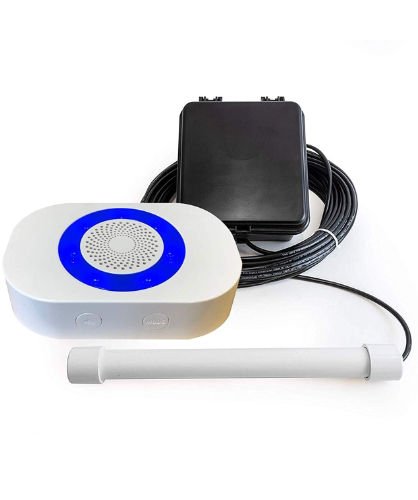
Dakota Alert DCPA-4K Plus kit, one DCPT-4000 vehicle-sensing transmitter (three CR123A batteries included) and one RE-4k Plus plug-in receiver; probe wire length chosen on the listing
We earn a commission if you buy through these links, at no cost to you.
Manuals and documents
- 1 miletransmitter range of the DCPA-4K Plus, per Dakota Alert
- Vehicles onlyburied probe, so deer do not set it off
- 40 hoursper charge on the M538-HT radio, per Dakota Alert
- License-freeMURS radio, per Dakota Alert
“A minute of warning at the end of a long driveway is worth more than any lock on the door.”
Most burglars avoid a house that looks occupied, and the best defense is knowing someone is there before they knock. A driveway alarm buys you that warning: a chime in the kitchen when a car or truck turns in, long before it reaches the door.
Dakota Alert's MURS line, built around the M538-HT hand-held radio, is going end of life: Dakota still sells the radio, but no longer the MURS Alert transmitter it listens for. If you already own a MURS Alert transmitter, or want a license-free radio that runs about 40 hours on a charge, the M538-HT is still available. For a new driveway, start with the DCPA-4K Plus, Dakota's complete kit today. Its probe is buried beside the drive and senses vehicles only, so deer and other large animals do not set it off, and its transmitter reaches up to a mile by Dakota Alert's figure. Note that its receiver plugs into a wall outlet.
The two systems do not talk to each other: Dakota says MURS products are not compatible with its other series.
How to use it
- Bury the probe beside the driveway where every vehicle has to pass, following Dakota's manual for depth and distance, and run its wire to the transmitter.
- Mount the transmitter (three CR123A batteries) out of sight; it is weatherproof.
- Plug the receiver in indoors, pick a tune for this zone and set the volume.
- Drive past it once to test, and test again after every battery change.
- Local law decides what you may do on your own property; an alarm is a warning, not a reason to confront anyone.